

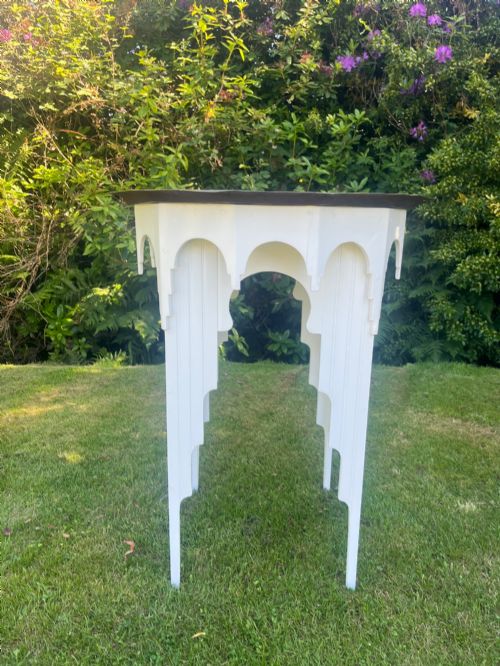
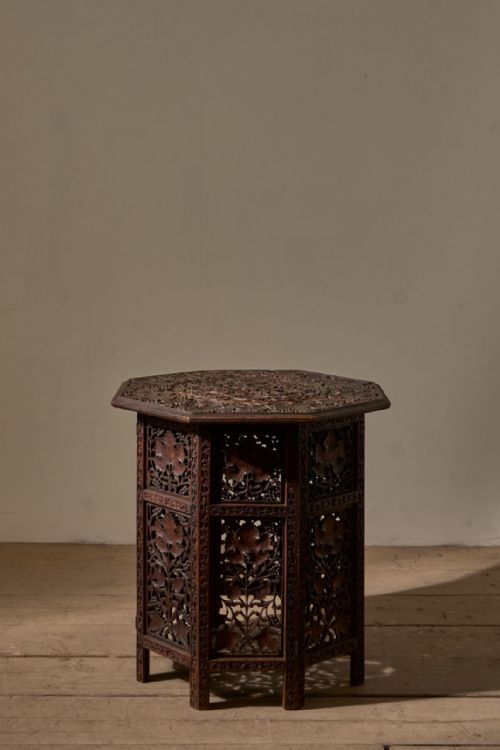
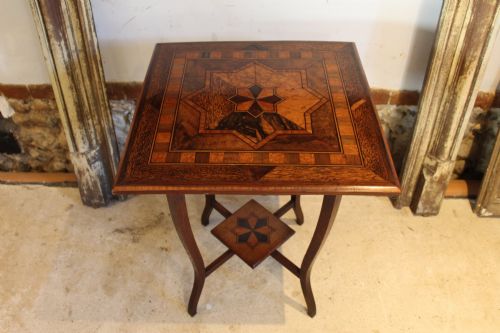


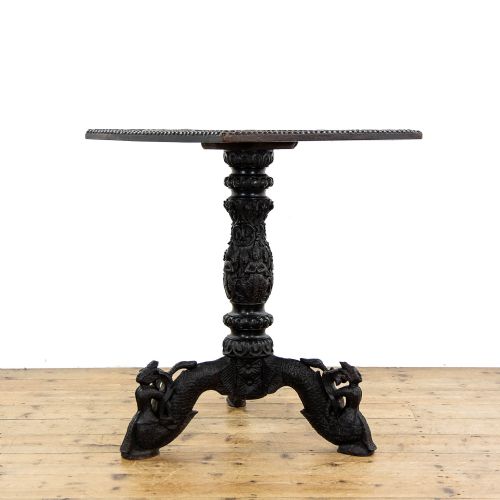
Exotic Wood Table
An exotic wood antique table brings striking grain and global heritage into a room, spanning Victorian centre tables and colonial side pieces.
Exotic Wood Table
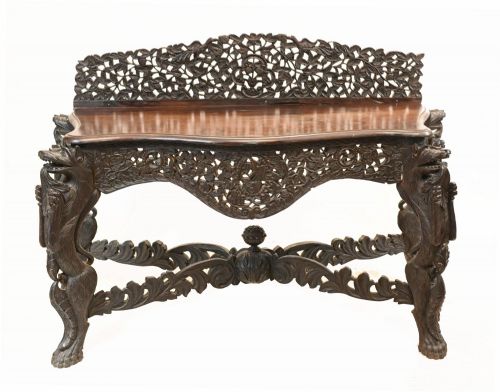
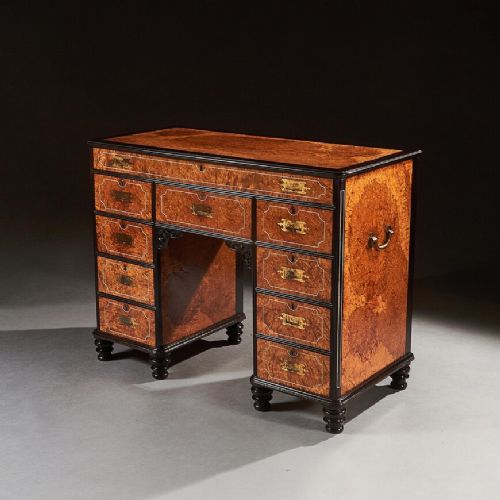
An exotic wood antique table encompasses diverse forms such as centre tables, occasional tables, work tables, and desks originating from the nineteenth century. Buyers encounter regional expressions including Anglo-Indian, Chinese Export, and Ceylonese pieces alongside domestic Victorian designs.
The material palette defines these items, drawing on timbers transported through global trade routes during the Georgian, Regency, and Victorian periods. Centre tables and side tables dominate the selection, often featuring elaborate marquetry or dense carving.
Materials and Construction
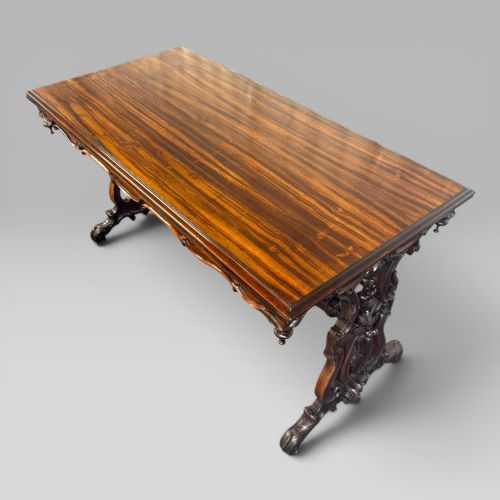
Cabinetmakers utilised dense tropical hardwoods such as rosewood, mahogany, ebony, coromandel, and goncalo alves, contrasting them with lighter satinwood or amboyna inlay. These timbers were selected for their pronounced natural grain patterns and rich tonal variation.
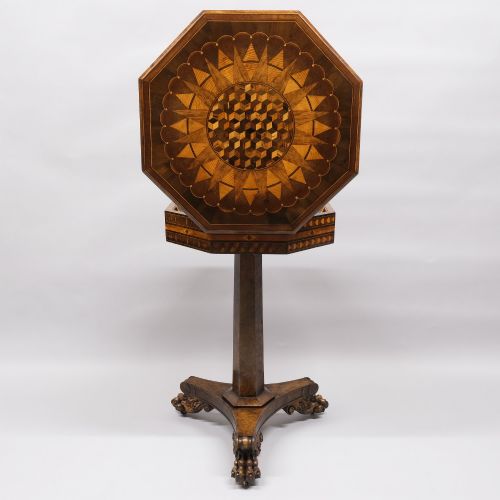
Joinery combined traditional British carcase construction with regional carving techniques and brass or ormolu mounts. Parquetry and specimen wood marquetry involved meticulous placement of geometric or floral tile arrangements across the top surface.
Exotic Wood Table Retail Price Guide 2026
Typical asking prices for exotic wood table among the pieces listed under this phrase on Sellingantiques today, from the lower quarter to the upper quarter. They describe what is for sale here now, not the wider market.
A travelling clerk halfway across the world once ensured your side table had leaves that folded down before facing a monsoon.
Assessing the Craftsmanship
Quality rests in the precision of the timber selection and the complexity of the parquetry or carving work. Superior examples demonstrate seamless alignment in multi-wood marquetry and crisp definition in hand-carved foliage.
Structural integrity of the pedestals, legs, and framing distinguishes finer workshops from standard production. The retention of original surface finishes and contrasting grain orientation dictates the standing of each piece.
Gillows·Ralph Turnbull
The Exotic Wood Table Glossary
- Specimen wood
- A tabletop or surface composed of numerous different timbers arranged to display contrasting natural colours and grain patterns. This technique was popular in nineteenth-century colonial workshops.
- Marquetry
- Decorative veneer work forming pictures or geometric patterns applied to a wooden carcase. Artisans cut various exotic woods to fit precisely together.
- Centre table
- A freestanding table designed to be viewed from all sides rather than pushed against a wall. These frequently served as the focal point of a nineteenth-century drawing room.
- Goncalo alves
- A dense South American hardwood prized for its striking dark brown and warm reddish-brown contrasting stripes. Cabinetmakers utilised it during the Regency and William IV eras.
- Coromandel
- A heavy, valuable Asian timber featuring dark brown hues with dramatic black streaks. It appears frequently in high-status nineteenth-century writing and centre tables.
Exotic Wood Table: Frequently Asked Questions
What defines an exotic wood antique table?
These tables utilise non-native timbers such as rosewood, ebony, amboyna, and goncalo alves, often sourced through international trade during the nineteenth century. They include regional styles like Anglo-Indian, Chinese Export, and Ceylonese alongside standard British forms.
The aesthetic relies on the natural figuring of the wood rather than painted decoration. Makers highlighted these variations through polished surfaces and geometric marquetry.
How do I care for a nineteenth century table?
Keep the wood away from direct heat sources and sudden temperature shifts to prevent timber shrinkage and veneer lifting. Regular dusting with a dry, soft cloth maintains the polished finish without chemical buildup.
Apply high-quality beeswax sparingly only when the surface appears dry. Avoid placing damp items directly onto antique polished wood.
Where were these tables made?
Production occurred across domestic British workshops as well as overseas colonial centres including Ceylon, India, and China. British cabinetmakers imported foreign timbers for high-end London commissions, while regional workshops utilised local exotic woods.
Export pieces often combined European furniture forms with local carving traditions. This fusion created distinctive styles influenced by both British design and regional craftsmanship.
How can I identify the timber used?
Examine the grain pattern, colour variation, and density of the exposed wood. Timbers like coromandel and goncalo alves exhibit distinct dark striping, while satinwood offers a golden, reflective sheen.
Consulting period cabinetmaking references helps differentiate similar species. Closer inspection often reveals whether the timber is solid or applied as a decorative veneer.