




Executive Desk Accessories
Executive desk accessories are practical working objects in silver, glass, marble, and onyx that bring period character to a workspace.
Executive Desk Accessories
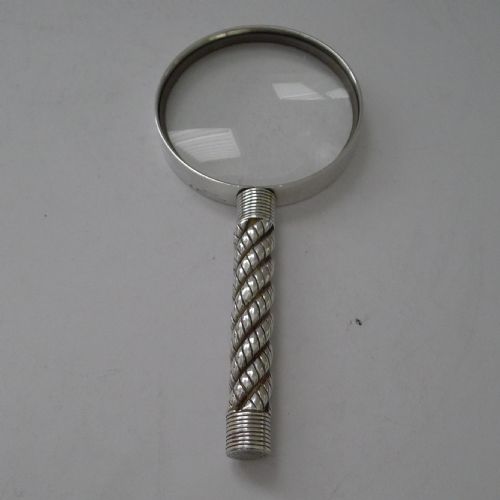
Executive desk accessories encompass working items such as inkstands, fountain pens, letter openers, magnifying glasses, and paperweights designed for the desk. These pieces emerge from periods spanning the nineteenth century through the mid-twentieth century, capturing Victorian, Edwardian, Art Deco, and Mid-Century Modern designs.
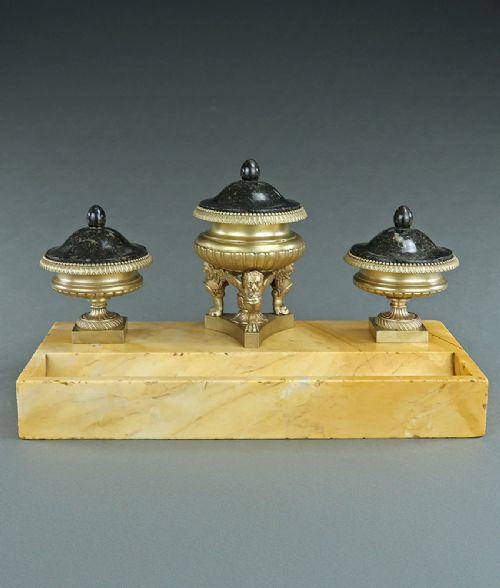
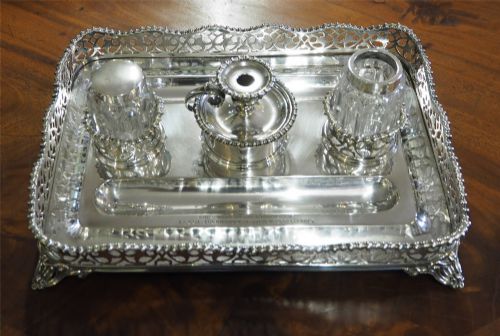
The objects on this page include marble encriers, silver-plated desk sets, onyx stands inlaid with lapis lazuli, and figural models. Buyers will frequently encounter desk ornaments made from stones like green onyx and sienna marble alongside mounted silver and metal wares.
Origins vary across British workshops, European makers, and London silversmiths, reflecting the administrative and writing habits of past eras. Each piece serves both a utilitarian desk function and a decorative role within a traditional or modern study.
How they were made
Materials combine solid sterling silver, silver plate, and bronze with heavy decorative stones such as green onyx, lapis lazuli, and sienna marble. Glass and shagreen also appear, paired with metal mounts and fitted pen rests.
Craftsmen utilised casting, stone-cutting, inlay work, and silversmithing techniques to shape inkwells, desk stands, and letter openers. Metal components feature chased or engraved detailing, while stone bases are polished to a smooth finish.
Maker marks, hallmarks, and special orders indicate professional silversmithing standards from London, Birmingham, Sheffield, and European fashion houses.
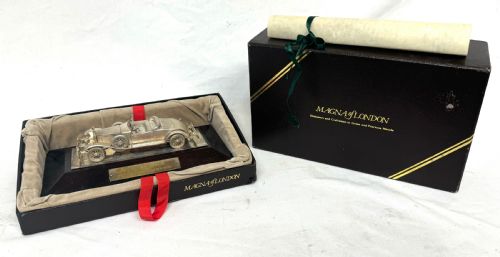
One exceptional desk model depicts a Rolls Royce Phantom II roadster cast in solid silver.
What varies in quality
Quality rests upon the choice of materials, from solid sterling silver and genuine lapis lazuli inlay down to silver plating and standard marble. Heavier stone bases and substantial metal castings indicate superior construction.
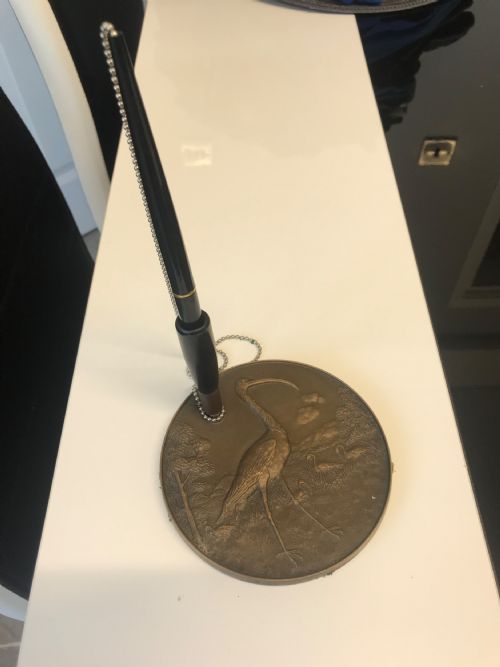
The refinement of the maker's hand shapes the value, visible in detailed figural casting such as ibis bird designs, chess knights, or motor car models. Named makers and traceable hallmarks elevate a piece above unmarked commercial wares.
Preservation of the original components, including intact glass inkwell liners, functional fountain pen nibs, and unblemished stone surfaces, distinguishes finer survivals.
A.Cohen & Co Ltd London·P H Vogel & Co·Elkington·Asprey·Montblanc·Garrards
The Executive Desk Accessories Glossary
- Encrier
- A portable writing stand or inkstand containing inkwells, pen holders, and sanders. These desk pieces were essential for correspondence before the invention of the ballpoint pen.
- Hallmark
- An official stamp applied to precious metals in Britain to guarantee the purity of the silver. These marks reveal the assay office, maker, and year of production.
- Onyx
- A banded variety of chalcedony gemstone utilised for heavy Victorian and Art Deco desk stands. Its smooth surface provides a cool, polished foundation for inkwells and pen rests.
- Shagreen
- Undyed skin from shark or ray, dried and polished to display a distinctive granular texture. It was favoured during the Art Deco period for magnifying glasses and luxury items.
- Letter opener
- A flat blade used for slicing open envelopes, often fashioned from silver, ivory, or steel. Many incorporate decorative handles or double as paper knives.
Executive Desk Accessories: Frequently Asked Questions
What are executive desk accessories?
Executive desk accessories are functional desk items made from precious metals, stones, and glass that served administrative tasks in past centuries.
They include inkstands, magnifying glasses, letter openers, and paperweights designed to organise a formal writing space.
How do I date an antique desk stand?
Dating relies upon metal hallmarks, maker stamps, and the prevailing decorative style of the piece, such as Art Deco or Victorian.
Material choices like green onyx, sienna marble, and shagreen also point towards specific manufacturing decades.
Were these items used daily?
Yes, these objects were daily tools for letter writing, document sealing, and reading fine print in offices and libraries.
Inkstands held liquid ink for dip pens, while blotters absorbed excess fluid from handwritten pages.
How do I care for antique silver and stone?
Silver requires gentle cleaning with a specialised cloth to maintain its shine without removing hallmarks or fine engraving.
Stone bases like onyx and marble should be dusted with a dry cloth and kept away from moisture and acidic liquids.