




European School Portrait Oil
These european school portrait oil works span centuries of continental painting, offering buyers authentic regional portraiture from regional workshops.
European School Portrait Oil
A european school portrait oil represents historical regional artistry from across the continent, capturing sitters from nobility to peasants. Buyers browsing this selection encounter pieces originating from specific regional movements such as the 17th Century Northern European, German Baroque, and Italian School traditions.
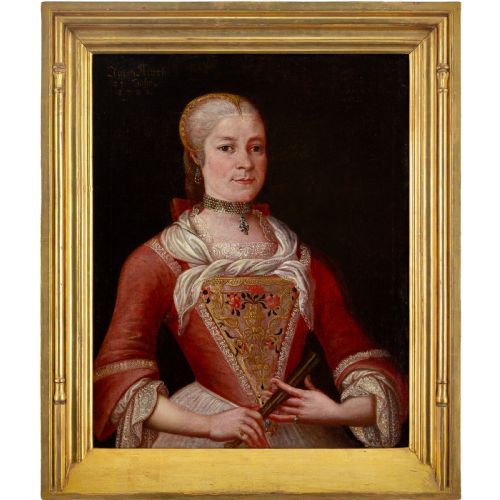
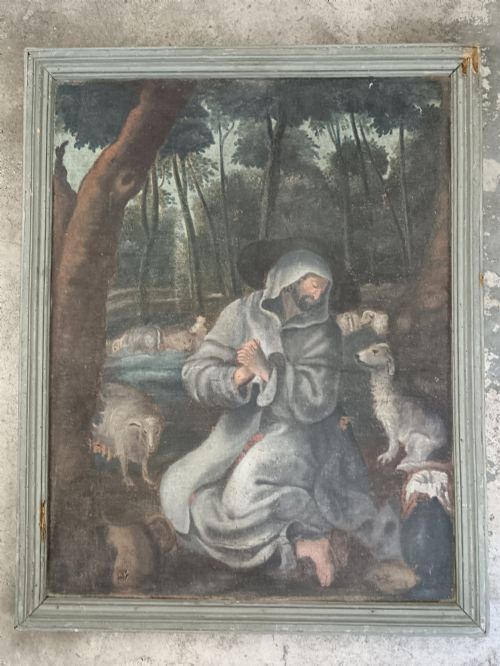
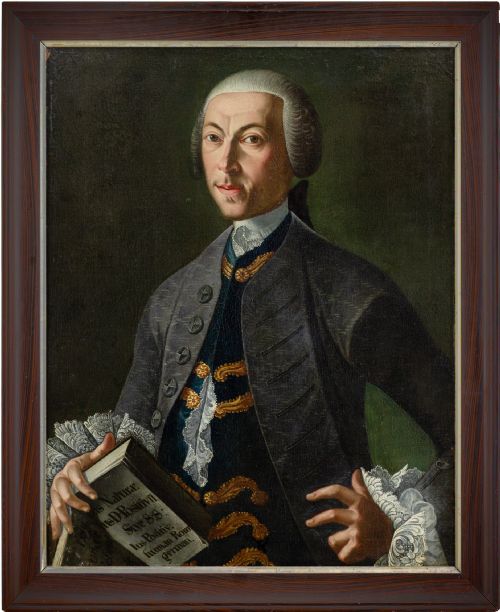
The most common formats on this page include mid-18th-century Bavarian and German school portraits alongside 19th-century Austrian and Italian depictions. These works frequently record named subjects, noble figures, religious icons, or anonymous sitters rendered in oil.
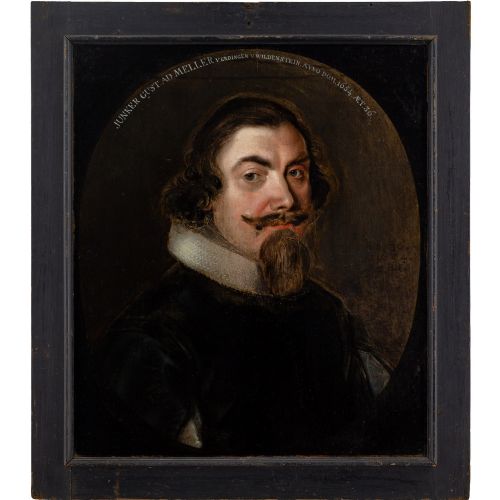
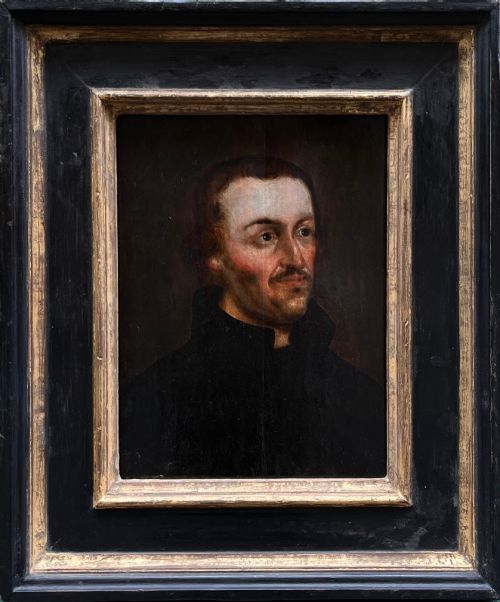
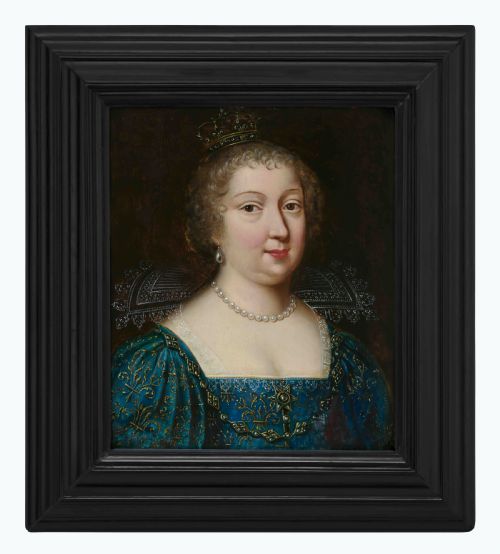
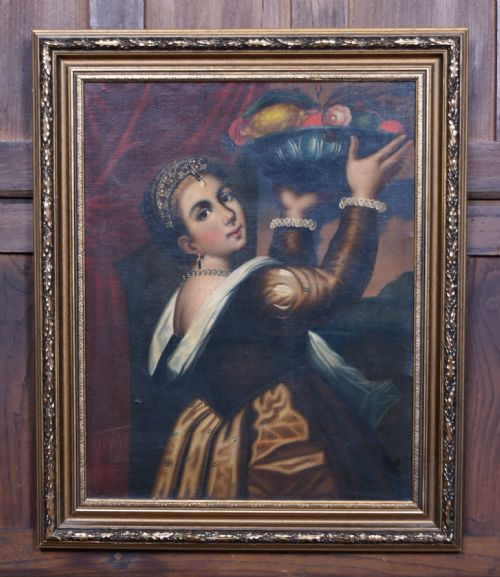
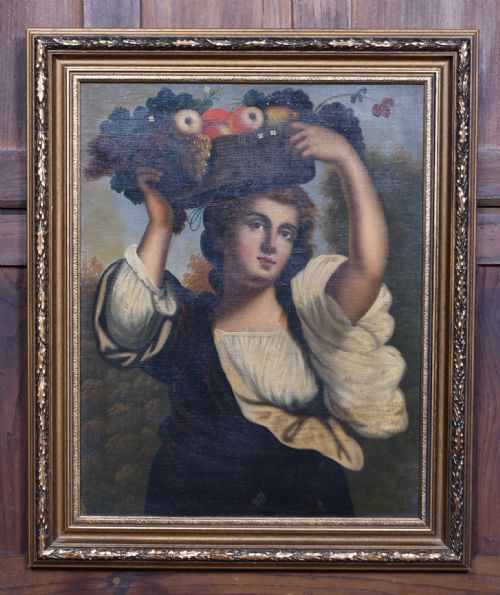
The scope extends from 17th-century depictions of gentlemen in ruffs to 19th-century studies of children and peasants. Each canvas records the distinct hand of a continental regional painter working within local portraiture conventions.
Assessing quality in regional portraits
Quality rests in the precision of facial modeling, the handling of drapery textures, and the psychological depth achieved in the sitter's expression. Masterful execution distinguishes accomplished regional court painters from competent provincial artisans.
The preservation of the original paint layer and the integrity of the canvas or wood support influence the visual impact of the piece. Evidence of pentimento, where the artist altered compositions during painting, adds historical interest to the surface.
Several subjects gaze outward wearing elaborate ruffs, armour, or lace-trimmed gowns, taking their fixed places across centuries of continental walls.
Henri and Charles Beaubrun·Luigi Bardi·Johan Horner
The European School Portrait Oil Glossary
- European School
- A designation for artwork created in continental Europe where the specific individual artist remains unidentified or part of a regional tradition. It groups together works sharing stylistic traits of a particular geography and era.
- Pentimento
- An alteration in a painting evidenced by visible traces of previous work beneath the top layer of paint. This phenomenon shows the artist revising proportions or placement during the creation process.
- Ruff
- A voluminous pleated collar worn in European fashion during the 16th and 17th centuries. Its presence helps date early portraiture.
- Giltwood
- Wood carved and covered with a thin layer of gold leaf or gold paint. This material forms the ornate frames frequently surrounding antique oils.
- Tondo
- A circular painting or relief sculpture. It presents portrait subjects within a distinct curved format.
European School Portrait Oil: Frequently Asked Questions
What does european school mean?
The term denotes an artist trained and working within continental European traditions whose specific identity is lost or undocumented. These works are categorized by regional style rather than an individual master.
Such attribution helps collectors understand the geographic origin and prevailing artistic conventions behind the canvas.
How are these portraits framed?
Many examples retain period enclosures made of wood, gilt wood, or ornate giltwood. Some frames date to the original creation of the canvas while others reflect later decorative preferences.
Original or period-appropriate surrounds complement the aesthetic of the painted surface.
Can I identify anonymous sitters?
Some portraits record the names of nobility, aristocrats, or prominent figures directly in the historical record. Others depict unnamed subjects, peasants, or religious figures.
Research into costume, heraldry, and regional painting styles occasionally reveals clues about the identity of the sitter.
How do I care for antique oils?
Protect the canvas and wood support from direct sunlight, extreme temperature fluctuations, and high humidity. Gentle dusting with a soft brush maintains the surface.
Avoid chemical cleaners and consult a professional conservator for any structural or cleaning interventions.