




European Rural Scene Painting
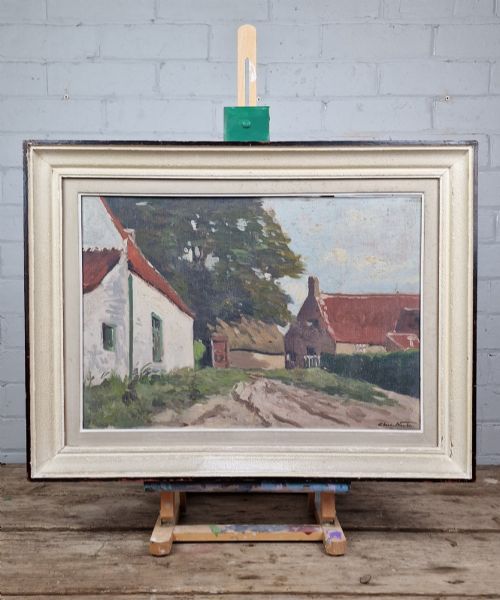
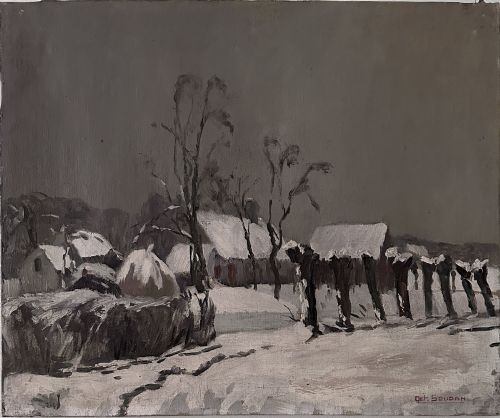
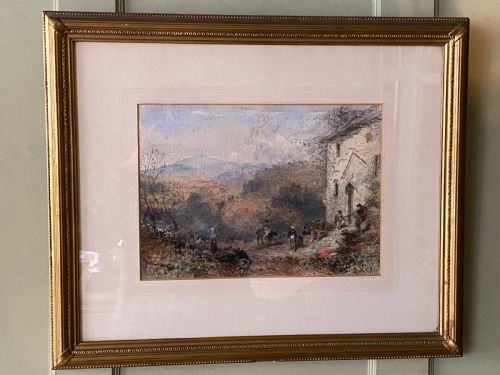
These european rural scene painting works capture quiet farmyards, village lanes and agricultural landscapes across various periods.
European Rural Scene Painting
When you search for european rural scene painting, you encounter framed artworks depicting country life, farmhouses, and agricultural settings. The selections available on this page span several decades, reaching from the Victorian era through the mid twentieth century.
Most examples take the form of oil paintings executed on canvas or board. You also find watercolour works and framed compositions featuring continental subjects and village landscapes.
The subjects focus on rural scenes, including winter villages, riverside landscapes, and quiet farmyards. These works reflect both impressionist realism and nineteenth century genre painting traditions.
Materials and construction
The works utilise oil paint applied to canvas, board, or wood supports. Some pieces incorporate gesso and gold leaf within the surrounding frames.
Artists employed techniques associated with nineteenth century realism, impressionism, and post impressionism to render rural light and texture. Certain works feature signed compositions by named continental painters.
European Rural Scene Painting Retail Price Guide 2026
Typical asking prices for european rural scene painting among the pieces listed under this phrase on Sellingantiques today, from the lower quarter to the upper quarter. They describe what is for sale here now, not the wider market.
The inventory includes continental school landscapes and framed works finished with gesso and gold leaf.
What separates different examples
Quality varies according to the handling of light and atmosphere within the landscape. Works by documented painters demonstrate greater dexterity in brushwork compared to anonymous village scenes.
The integration of the frame, such as ebonised moulding, affects the presentation of the canvas. The clarity of signature and the preservation of the oil paint surface also distinguish finer examples.
Charles Houben·R. Palnay·Alois Arnegger·Laurens Plas
The European Rural Scene Painting Glossary
- Oil on Canvas
- A painting medium where pigments suspended in drying oil are applied to stretched canvas fabric. This method allows for rich colour blending and textured brushwork.
- Post-Impressionism
- An art movement following impressionism that extends its rejection of traditional academic painting. Artists of this style explore more expressive use of form and colour.
- Gesso
- A plaster mixture used as a prepared surface for painting or within decorative frames. It provides a smooth base before gilding with gold leaf.
- Genre Painting
- The pictorial representation of scenes from everyday life. These works typically depict peasants or villagers engaged in ordinary daily activities.
European Rural Scene Painting: Frequently Asked Questions
What periods do these paintings represent?
The available selection covers works from the Victorian era, the nineteenth century, and early to mid twentieth century decades.
Specific dates within the listings range from eighteen seventy up to nineteen fifty, encompassing various European schools.
What materials were used to create them?
Painters primarily utilised oil paint on canvas or wooden boards, alongside occasional watercolour on paper.
Frames often incorporate wood, gesso, and gold leaf to house the completed artwork.
How do I identify continental school works?
Continental school paintings frequently depict European farmhouses, rural lanes, and village scenes executed by continental European artists.
Signatures on the canvas or board often point to specific regional painters and workshops.
Are these paintings signed by artists?
Several examples feature visible artist signatures on the composition, documenting creators such as Charles Houben and Alois Arnegger.
Other works remain unsigned while representing the broader output of nineteenth century realism and post impressionism.