







European Pine Furniture
European pine furniture brings tactile regional character and honest utility into modern rooms through painted surfaces and sturdy country timbers.
European Pine Furniture
European pine furniture comprises robust seating, storage and display pieces originating from rural workshops across Central and Eastern Europe. These items range from simple milking stools and benches to substantial dressers, larder cupboards and painted coffers.
The pieces on this page lean heavily towards folk art traditions, with Hungarian and Austrian regional styles predominating alongside broader nineteenth-century examples. Buyers encounter everything from small storage boxes to multi-seater settles intended for farmhouse interiors.
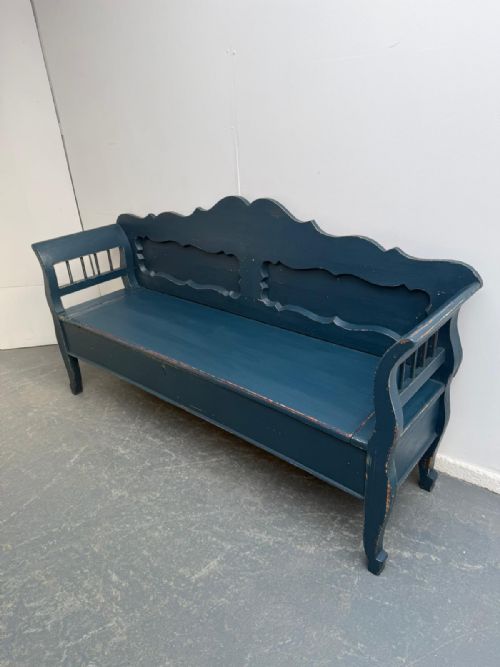
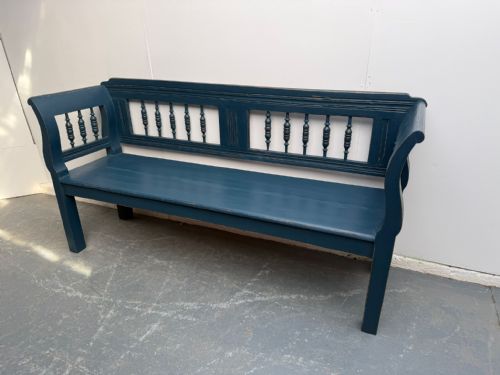
Forms remain strictly utilitarian, shaped by the practical needs of rural households. Benches, settles and cupboards show the straightforward construction methods characteristic of country vernacular traditions.
How they were made
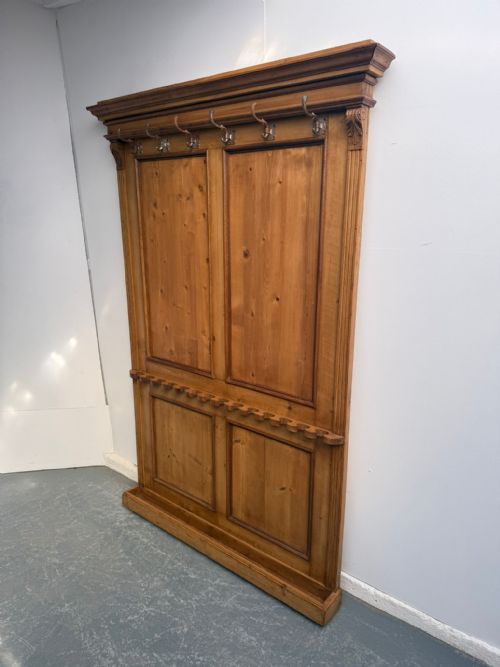
Makers utilised softwoods, primarily pine, supplemented by hardwood elements where structural strength was required. Iron and brass hardware such as hinges, hooks and pulls provide the functional fastenings.
Surfaces frequently carry original layers of paint, including blue, green, black and natural waxed finishes. Folk painters decorated cupboards and settles with regional motifs, while other pieces rely on the simple grain of waxed pine.
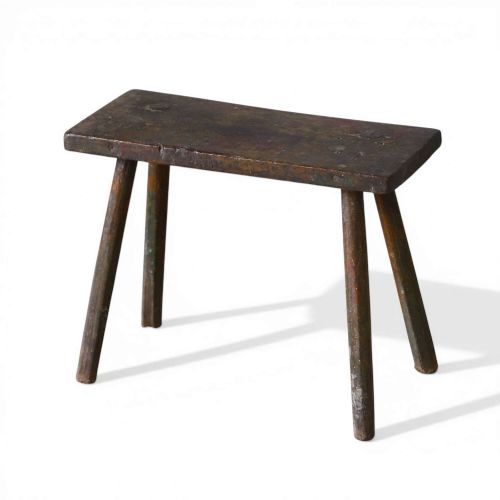
A humble milking stool proves that even the smallest seat required a coat of vibrant green paint to brighten a nineteenth-century barn.
What varies in quality
Survival of original surface pigment sets apart pieces of higher visual interest. The depth and integrity of early blue, green or black paint layers define the visual strength of folk art items.
Proportion and scale dictate the appeal of larger utility pieces like dressers and cupboards. Well-balanced proportions in regional settles and larder cupboards reflect thoughtful vernacular design.
The European Pine Furniture Glossary
- Settle
- A wooden bench featuring a high back to block drafts and enclosed sides or a storage box beneath the seat. These served as primary seating in the communal areas of European farmhouses.
- Coffer
- A heavy wooden chest used primarily for storing textiles, valuables or household provisions. They often feature robust board construction and simple hinged lids.
- Larder cupboard
- A tall storage cabinet designed for food preservation and kitchen provisions, typically featuring panelled doors and internal shelving.
- Escabelle
- A traditional style of wooden stool or chair associated with Alpine and European vernacular seating. They offer sturdy three- or four-legged support with straightforward joinery.
- Campaign chest
- A portable set of drawers designed for easy transport, constructed in sections with recessed brass handles and protective corner brackets.
European Pine Furniture: Frequently Asked Questions
How do I date these pieces?
Dating relies on construction methods, fastener types and signs of wear rather than formal hallmarks. Nineteenth-century examples display hand-cut joinery and period-specific paint layers.
Secondary indicators include regional design traits and the natural patina accumulated through generations of domestic use.
Are the paint finishes original?
Many items retain their early or original surface pigments, particularly those originating from Hungarian and Austrian folk traditions. Close inspection reveals pigment wear, underlying crackle and age-related oxidation consistent with historic use.
Secondary decoration and polychrome highlights on folk art pieces should show natural integration with the wood beneath.
How should I clean painted pine?
Maintenance requires gentle dusting with a dry or barely damp cloth to protect delicate historic pigments. Avoid harsh chemical cleaners or modern polishes that can soften or strip traditional oil and distemper paints. <br><br> Waxed surfaces benefit from occasional applications of natural beeswax to nourish the timber without altering the underlying patina.
Where were these pieces used?
These items originated in farmhouses, alpine chalets and rural dwellings across Central and Eastern Europe. Settles and benches stood in communal kitchens, while cupboards and coffers stored household provisions and linens.
Stools and smaller chairs served daily functional roles around hearths and work tables in modest homes.