


European Landscape Painting
European landscape painting captures the changing light and terrain of the continent through centuries of diverse artistic vision.
European Landscape Painting
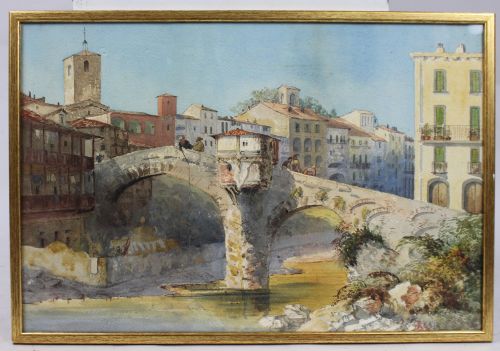
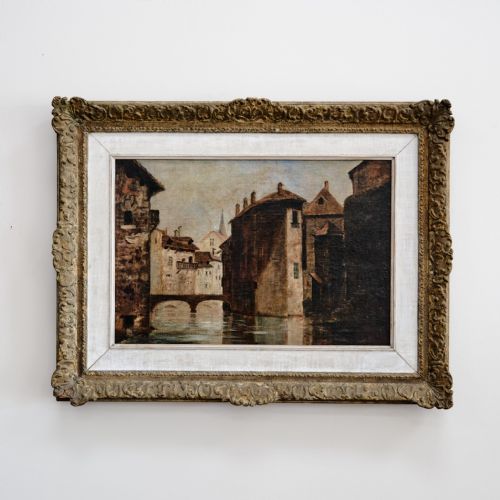
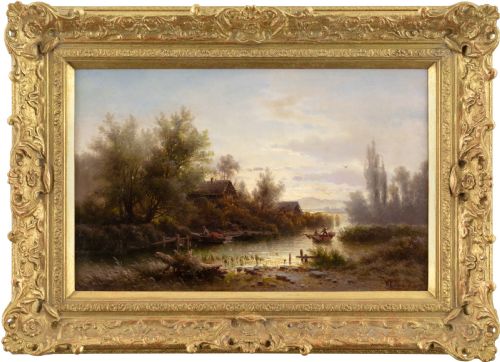
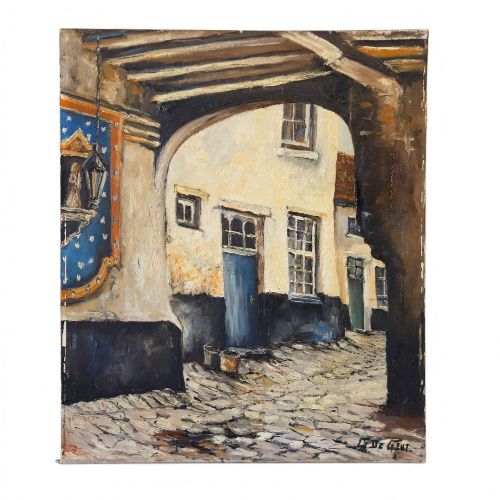
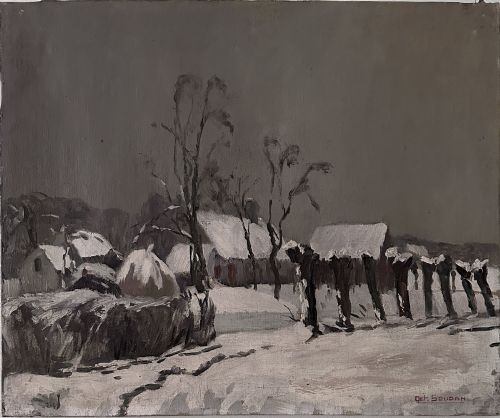
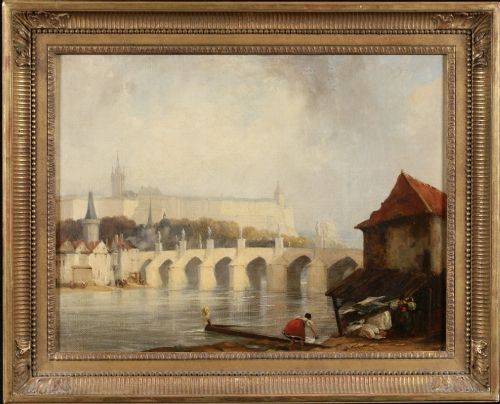
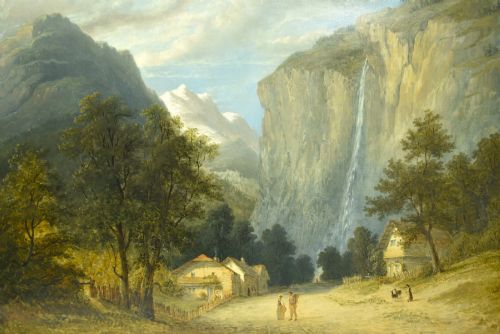
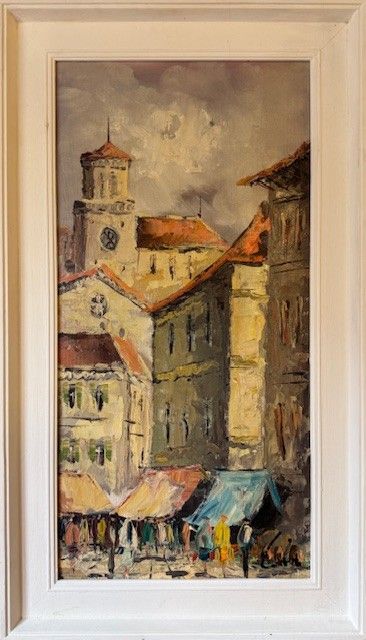
European landscape painting encompasses depictions of rural countryside, urban cityscapes, and quiet village scenes created by artists across the continent. When exploring european landscape painting on this page, the nineteenth century provides the highest volume of available works. These pieces range from intimate watercolours of northern Italy to sweeping oil views of the Alps.
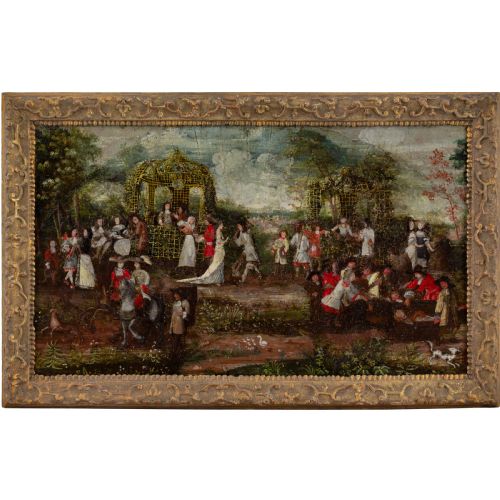
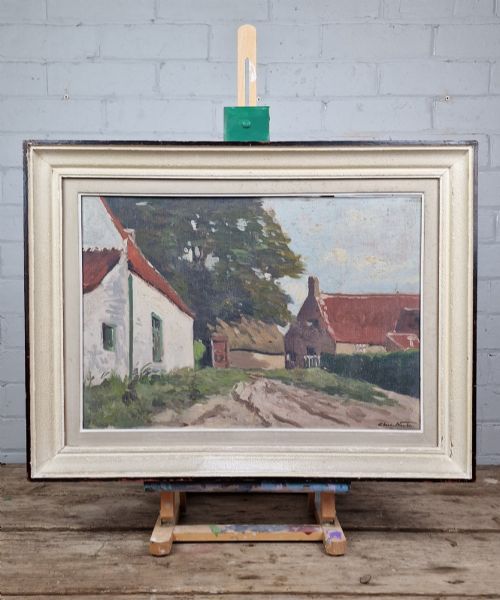
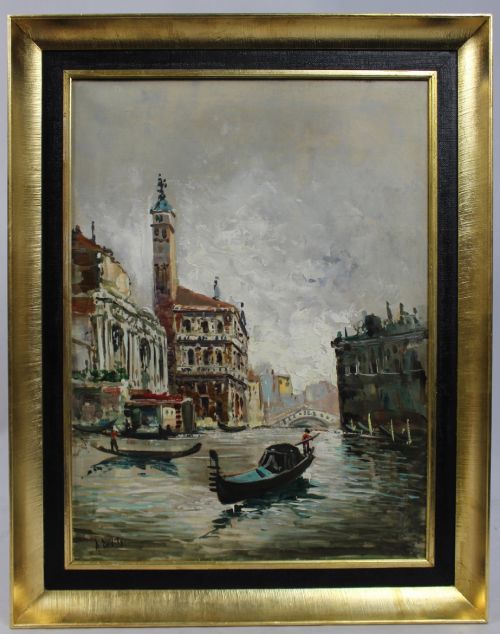
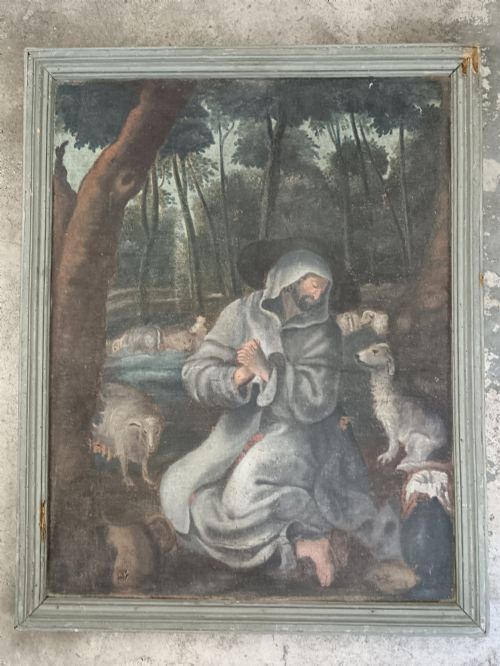
The selection includes everything from seventeenth-century Flemish school panels to mid-century impressionist cityscapes and wartime expressionist canvases. Buyers encounter works attributed to specific continental schools alongside signed pieces by named artists from Britain, France, Italy, and the Netherlands. Regional subjects stretch from Swiss waterfalls to Venetian canals and quiet farmyard scenes.
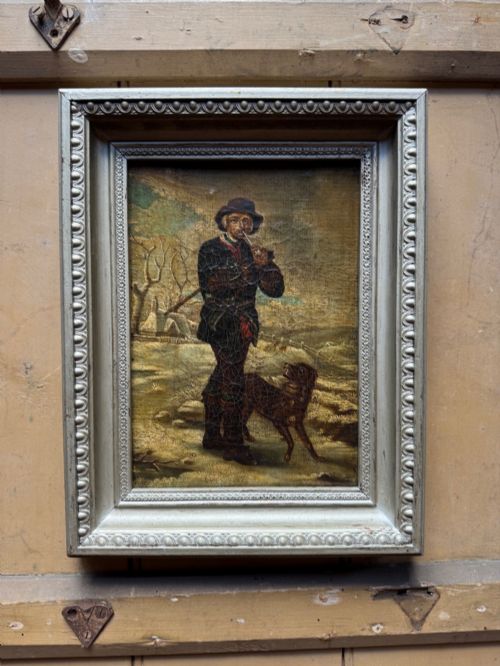
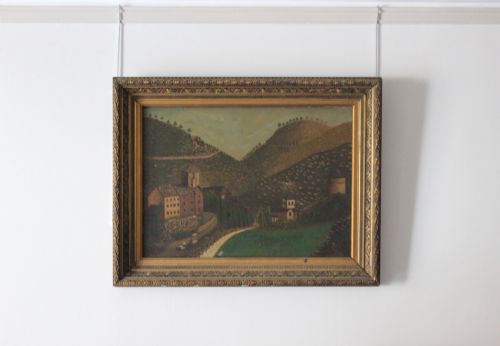
Execution varies from detailed architectural views to primitive village scenes and avant-garde wartime compositions. Many works retain their period framing, utilising ebonised wood or giltwood frames that complement the canvas. The overarching category bridges centuries of technical evolution, moving from seventeenth-century baroque traditions toward twentieth-century impressionism.
Materials and methods
Oil paint on canvas or wooden panel forms the primary medium for the majority of these works, allowing artists to build rich layers of colour and texture. Artists applied pigments with brushes or palette knives, sometimes revealing pentimento where earlier compositional choices show through the dry paint. Support materials range from stretched canvas to robust wood panels and paper for watercolours.
Preparation of the surface typically involved gesso grounds applied to wood or primed canvas to receive the oil medium. Frames often incorporate gold leaf or giltwood finishes, reflecting the decorative standards of their respective periods. Watercolour works on paper rely on fluid washes and ink detailing to capture atmospheric light.
Several alpine landscapes are so expansive they practically require mountaineering gear just to view them from the comfort of the sitting room.
Assessing quality
Quality rests upon the confidence of the brushwork and the artist's ability to manipulate light and atmospheric perspective within the composition. Works by established continental schools or documented painters demonstrate superior command of proportion, tonal balance, and spatial depth compared to anonymous student pieces.
The preservation of the original paint surface and the integrity of the underlying canvas or panel significantly influence the standard of a piece. Finer examples retain their original framing, such as period giltwood or ebonised surrounds, which enhance the visual weight of the landscape without masking the artwork.
Charles Houben·Antonio DeVity·Albert Rieger·Paul-Élie Gernez·Cecil Rochfort D'Oyly-John·Mercedes Legrand·Pieter Bout·Adriaen Frans Boudewyns·Jan Evert Morel·Job de Vogel
The European Landscape Painting Glossary
- Pentimento
- An alteration in a painting evidenced by previous strokes or shapes showing through the upper layers of paint. This phenomenon often reveals the artist's evolving compositional choices during the creative process.
- Gesso
- A plaster-like mixture used as a smooth base for painting on wood panels or canvases. It provides a stable white surface that accepts oil paint and gold leaf.
- Giltwood
- Wood carved and covered with a thin layer of gold leaf or gold paint. Frames finished in this manner were standard for framing fine art in past centuries.
- Impressionism
- An artistic movement characterised by relatively small, thin, yet visible brush strokes and open composition. It emphasises accurate depiction of light in its changing qualities.
- Provenance
- The chronology of the ownership of a work of art. Documented history helps confirm the authenticity and origin of older paintings.
European Landscape Painting: Frequently Asked Questions
How do I date an old landscape painting?
Dating relies on stylistic evidence, artist signatures, and the physical materials of the canvas or panel. Costume details and architectural elements within the scene often provide reliable chronological clues.
Secondary indicators include the construction of the wooden stretcher or frame, alongside any stamps or labels left by period suppliers on the reverse.
What is the difference between oil on canvas and oil on panel?
Oil on canvas involves pigment applied to a stretched textile support, which offers a slight bounce and distinctive weave texture. Oil on panel utilises a rigid wooden board, providing a completely smooth and stable surface.
Panels frequently appear in earlier continental works, whereas stretched canvas became the dominant support from the eighteenth century onward.
How should I care for a antique oil painting?
Protect the artwork from direct sunlight and maintain stable indoor humidity levels to prevent the canvas or wood panel from warping. Avoid using liquid cleaners on the paint surface, dusting it gently with a dry, soft brush instead.
Keep paintings away from heat sources such as radiators, which dry out oil paint and accelerate cracking in the varnish layer.
What does Flemish school mean?
Flemish school refers to artists working in Flanders during the seventeenth century, sharing common regional techniques, styles, and workshop traditions. These painters excelled at detailed naturalism and atmospheric landscape compositions.
Works attributed to this school often feature meticulous attention to natural light, trees, rivers, and human figures integrated into expansive terrain.