

European Cut Diamond Ring
Selecting a european cut diamond ring brings hand-faceted charm and nineteenth-century character to the finger.
European Cut Diamond Ring
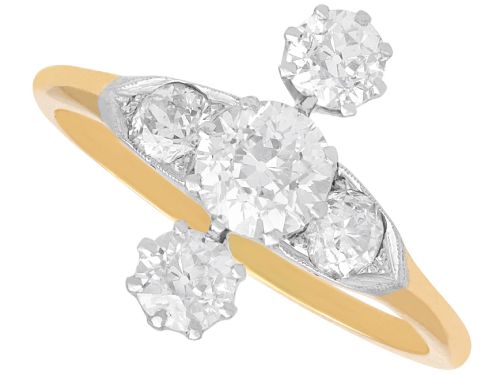
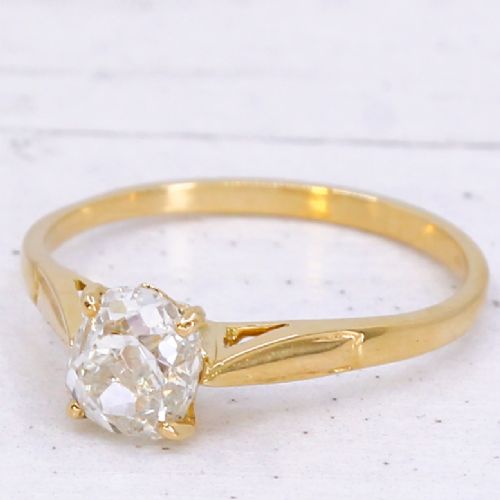
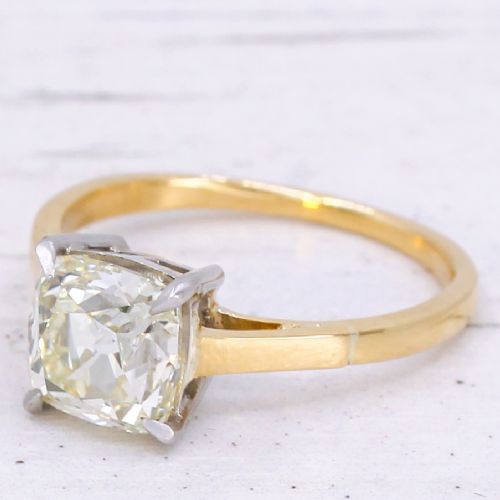
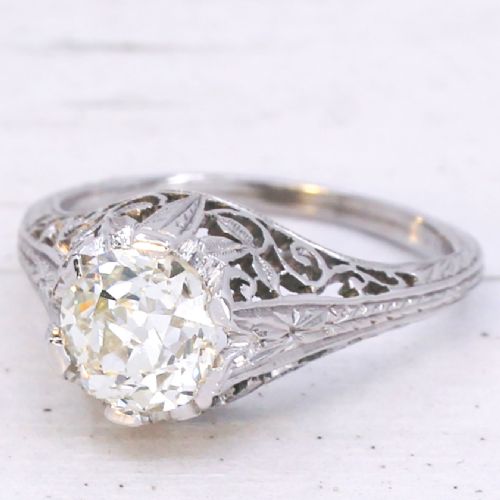
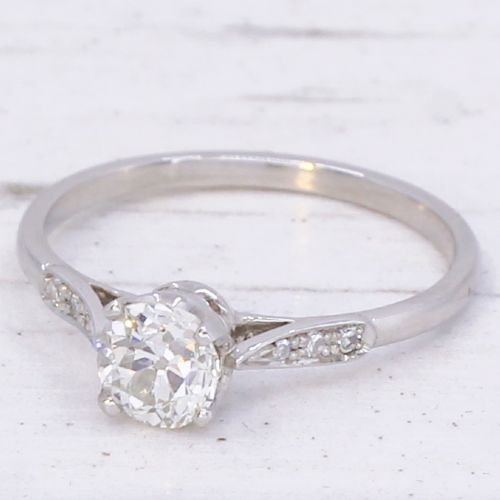
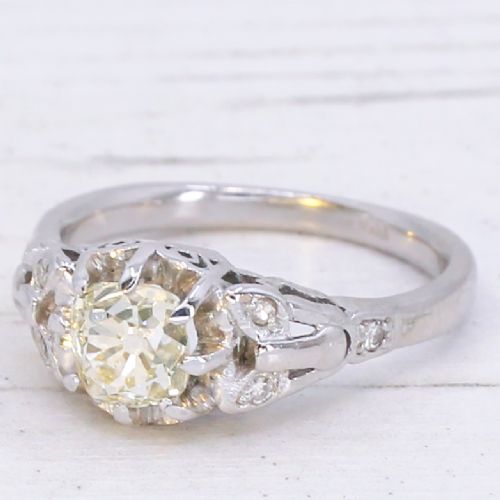
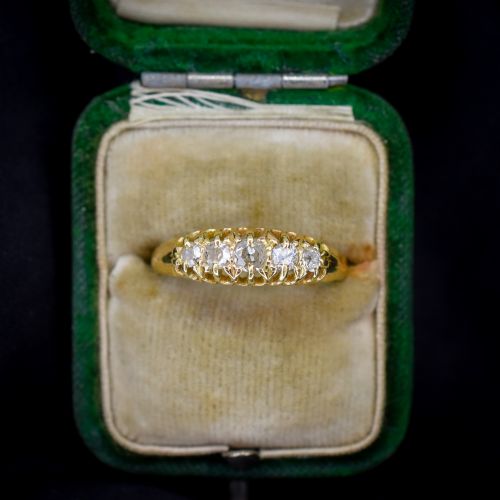
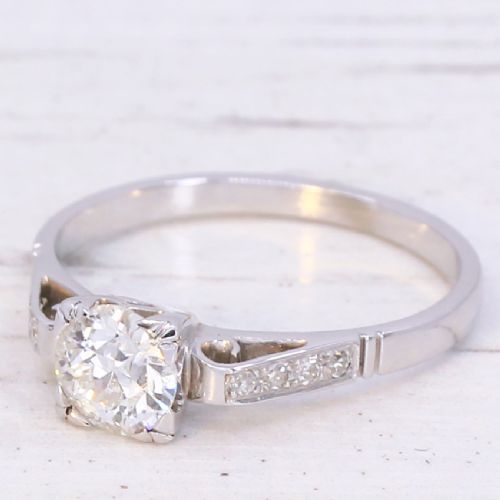
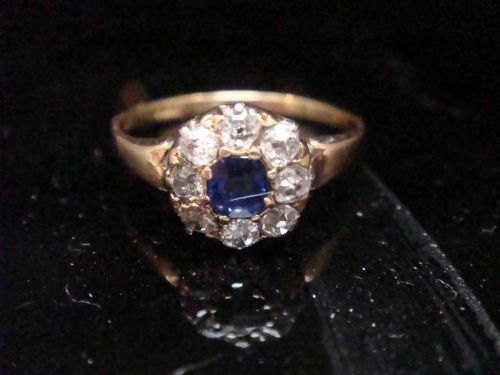
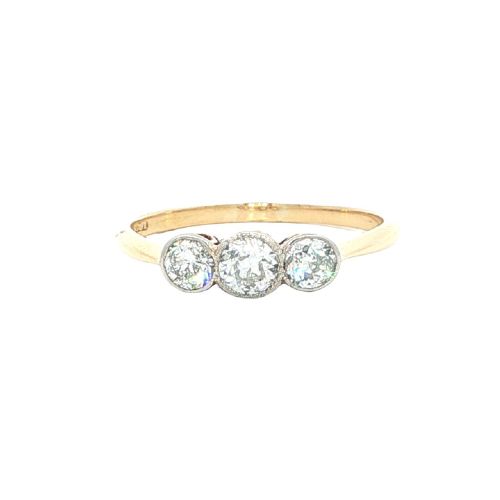
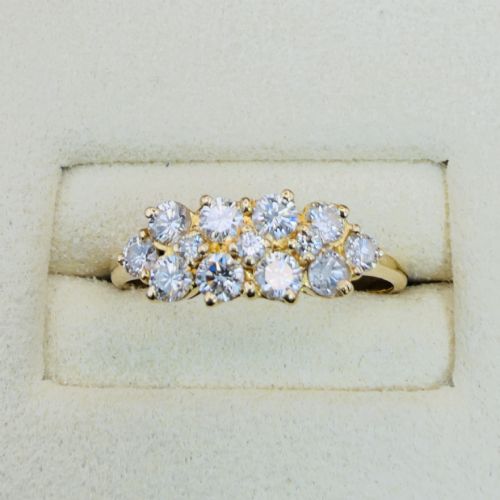
A european cut diamond ring is an antique or vintage piece featuring a round gemstone cut by hand rather than with modern machinery. These rings commonly appear from the Edwardian, Victorian, Art Deco and mid-century periods, spanning decades of changing taste from the early twentieth century onward. The selection spans single-stone solitaires, multi-stone settings, and cluster designs paired with coloured gemstones.
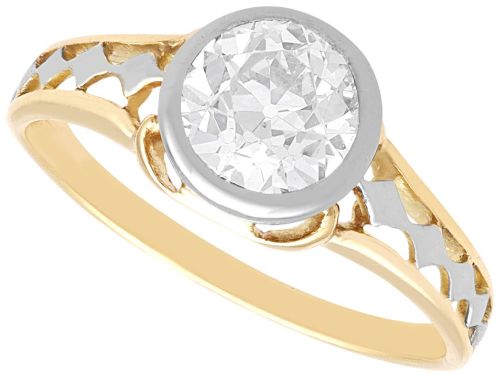
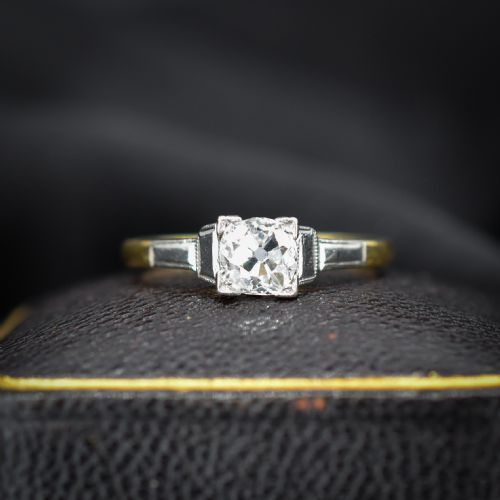
Most examples found here take the form of engagement rings, wedding bands, or dress rings fashioned into traditional configurations like the five-stone, trilogy, or gypsy mount. Platitudes give way to substance through materials such as platinum, 18ct yellow gold, and 18ct white gold. Buyers frequently encounter pieces combining platinum heads with yellow gold shanks, reflecting the prevalent manufacturing techniques of the Edwardian and Art Deco eras.
How they were made
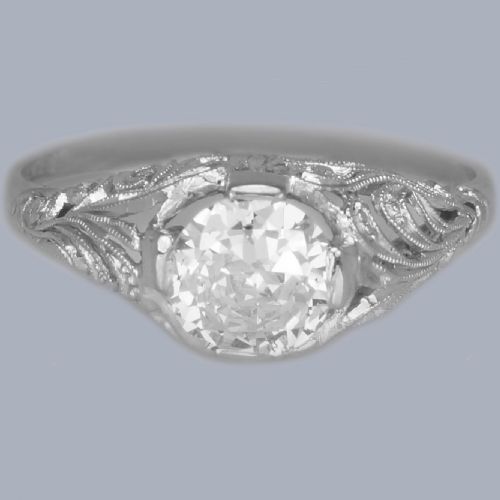
Goldsmiths shaped these rings using traditional hand-forging and casting methods, often working platinum into intricate, lace-like pierced galleries to hold the central stones. Gold alloys, particularly 18ct yellow and white gold, formed the structural bands, joined securely to platinum settings by hand-soldering.
The diamonds themselves were hand-cut by artisans under magnification, resulting in characteristic small tables, deep pavilions, and open culets visible at the base of the stone. Craftsmen also set complementary gems such as rubies, emeralds, sapphires, and onyx directly into the metal framework using grain, bezel, or flush settings.
Listings feature yellow gold, white gold, and platinum metals paired with diamonds, sapphires, emeralds, rubies, and onyx across Victorian to mid-century periods.
What varies in quality
The caliber of a european cut diamond ring rests primarily on the symmetry of the hand-cut facets and the preservation of the original metalwork. Pieces retain higher standing when the basket or gallery remains crisp, without the thinning metal or distorted prongs that indicate heavy wear or clumsy past repairs.
Proportion and stone matching dictate the distinction between standard examples and exceptional survivors, especially in multi-stone layouts like trilogy or cluster rings. Original patination and untouched maker marks or assay stamps on the inner shank further elevate the standing of a piece.
The European Cut Diamond Ring Glossary
- Old European Cut
- A round diamond shape cut by hand predominantly between the late nineteenth and mid-twentieth centuries, characterised by a small table, steep crown angles, and a distinct open culet.
- Culet
- The small facet at the very bottom of a gemstone, which appears as a tiny round opening when viewed through the table of an old-cut diamond.
- Navette
- A boat-shaped ring setting featuring a pointed, elongated outline that covers a larger portion of the finger.
- Toi et Moi
- A ring design featuring two main gemstones sitting side by side or angled toward each other, translating from French to you and me.
- Gypsy Ring
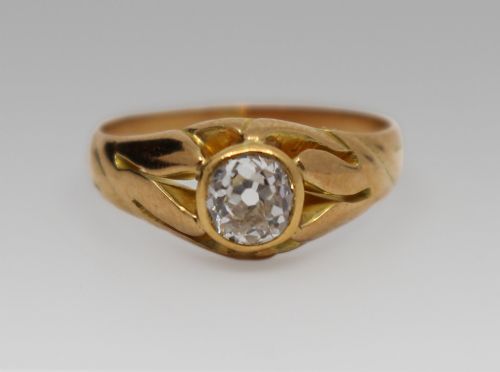
- A style where the gemstone is flush-set directly into a thick, tapering band of solid metal so the top sits level with the hoop.
European Cut Diamond Ring: Frequently Asked Questions
What is a european cut diamond ring?
A european cut diamond ring is a piece of antique or vintage jewellery featuring a hand-faceted round diamond shaped before modern precision cutting standards were adopted.
These gems display distinct optical properties, including wider facet patterns and smaller tables, set within mountings from periods such as the Edwardian era and Art Deco movement.
How do I care for my ring?
Caring for an antique ring involves gentle cleaning with warm water, mild soap, and a soft brush to remove everyday oils without disturbing old metalwork.
Because platinum and gold settings from the early twentieth century can wear thin over decades, routine inspection by a jeweler helps secure the stones safely in their original mounts.
Can these rings be resized?
Most rings made from 18ct gold or platinum can be adjusted by a skilled bench jeweler who understands antique construction techniques.
Resizing requires care to preserve hallmarks stamped on the inner shank and to protect delicate gallery work or flush-set side stones during heating.
How can I tell the period?
Dating relies on stylistic clues such as the geometric motifs of Art Deco or the intricate millegrain wirework characteristic of Edwardian platinum settings.
Metal choices, engraving styles, and assay office marks stamped inside the band provide further physical evidence to pinpoint the era of manufacture.