




European Ceramic Sculpture
These european ceramic sculpture pieces bring three-dimensional modelling and modelled form into a room, offering glazed detail or terracotta weight from the eighteenth century to the twentieth century.
European Ceramic Sculpture
When you search for european ceramic sculpture, you enter a field of figures and groups that span multiple centuries and stylistic revivals. The listings here comprise individual figurines, sculptural groups, and larger figures that represent human, animal, and pastoral subjects.
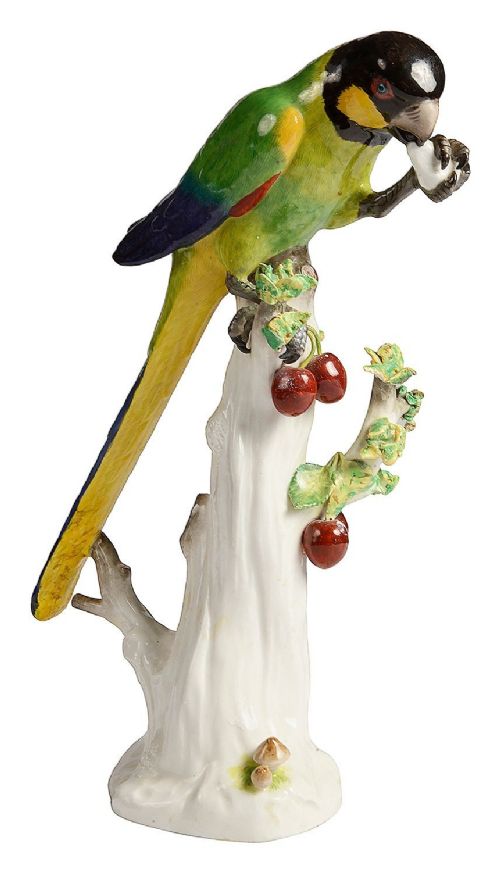
You are most likely to meet Meissen porcelain works alongside Goldscheider pottery figures on this page. These pieces range from delicate eighteenth-century pastoral groups to robust nineteenth-century terracotta sculptures and twentieth-century modernist forms.
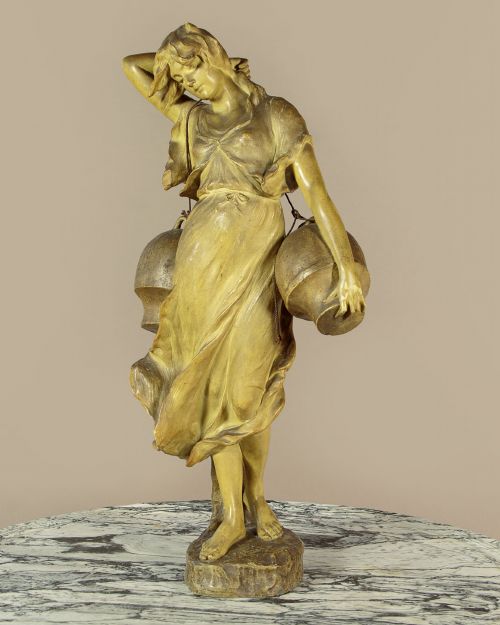
The objects take various shapes, from birds perched on tree trunks to classical Roman figures and water carriers. Each piece reflects the sculptural traditions of its specific period, whether that involves Rococo curves or Art Nouveau lines.
Materials and methods
The makers relied primarily on hard-paste porcelain and terracotta as the foundational materials for these sculptures. Hard-paste porcelain provided a dense, white body capable of holding fine detail under glaze, while terracotta offered a warm, porous medium suited to larger figurative works.
Artisans applied enamel and gold leaf to porcelain surfaces to add colour and highlight specific details on garments and natural elements. Glaze seals the ceramic body, providing either a high gloss or a softer sheen depending on the kiln temperature and the aesthetic aims of the workshop.
European Ceramic Sculpture Retail Price Guide 2026
Typical asking prices for european ceramic sculpture among the pieces listed under this phrase on Sellingantiques today, from the lower quarter to the upper quarter. They describe what is for sale here now, not the wider market.
Listings feature hard-paste porcelain, terracotta, and earthenware spanning the eighteenth, nineteenth, and twentieth centuries.
Distinctions in quality
The division between standard and superior pieces rests in the sharpness of the modelling and the precision of the hand-painted details. Finer examples retain crisp edges on drapery, facial expressions, and natural textures such as tree bark or wool.
The application of enamel and gold leaf also differentiates the work, with superior pieces showing careful brushwork that follows the contours of the form rather than obscuring them. Furthermore, the complexity of multi-figure compositions requires greater technical skill in firing and balancing the weight of the clay.
Meissen·Goldscheider·Samson·Karl Tutter
The European Ceramic Sculpture Glossary
- Hard-paste porcelain
- A vitrified ceramic material composed of kaolin and petuntse fired at high temperatures. It forms a hard, white, translucent body that resists scratching.
- Terracotta
- A reddish-brown earthenware clay that is fired at relatively low temperatures and left unglazed or painted. It serves as a durable medium for large figurative sculptures.
- Rococo Revival
- A nineteenth-century style that revives the asymmetrical curves, scrollwork, and playful pastoral themes of the eighteenth century. It appears frequently in porcelain figurine bases and groupings.
- Art Nouveau
- An international style prominent around nineteen hundred characterised by organic, sinuous lines and natural motifs. Figures from this period often depict flowing hair and drapery.
European Ceramic Sculpture: Frequently Asked Questions
How do I identify eighteenth century pieces?
Eighteenth-century examples often display the characteristic forms and subjects of the Rococo period, such as pastoral gardeners or allegorical groups. They utilise hard-paste porcelain with hand-painted enamel decoration applied with considerable finesse.
Studying the modelling style and consulting factory reference numbers helps distinguish these early works from later nineteenth-century revivals and copies.
Where were these sculptures made?
The pieces originate from various European countries, with German factories like Meissen and Austrian or French workshops playing major roles. Each region developed distinct methods of working with porcelain, earthenware, or terracotta.
Local traditions and access to specific raw materials shaped the stylistic output of each manufacturing centre.
How should I display them at home?
These sculptures require stable surfaces away from heavy foot traffic due to their delicate extremities and protruding elements. Placing them in well-lit cabinets or on secure pedestals protects them from accidental knocks.
Keeping them out of direct sunlight preserves the vibrancy of the hand-painted enamel colours and gold leaf highlights.