



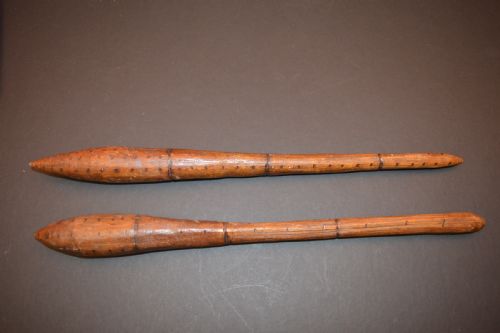

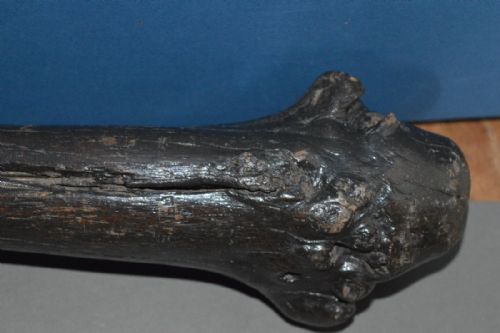
Ethnographic Tribal Artifact
These pieces of ethnographic tribal artefact represent material culture from African, Oceanic, Indonesian and Indigenous Australian traditions, offering a direct tangible link to indigenous ceremonies, warfare and daily life.
Ethnographic Tribal Artifact
When you search for an ethnographic tribal artefact, you are looking at items created by indigenous societies across Africa, Oceania, Indonesia and Australia. These objects range from practical items and weapons to spiritual sculptures.
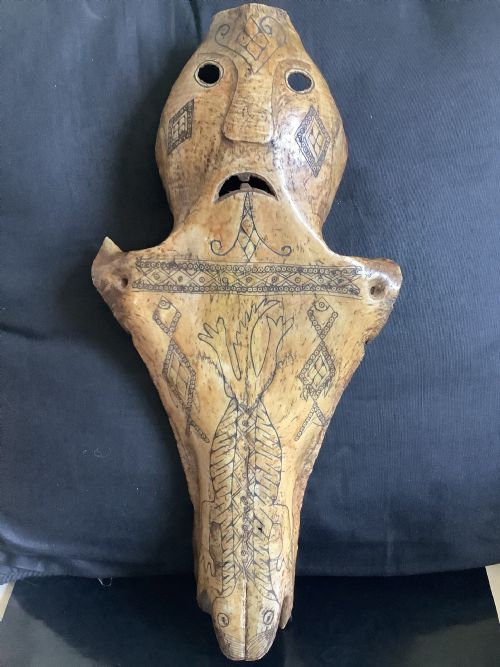
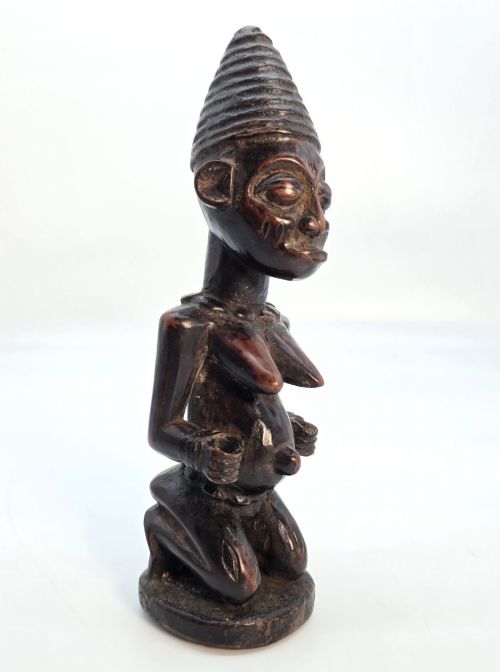
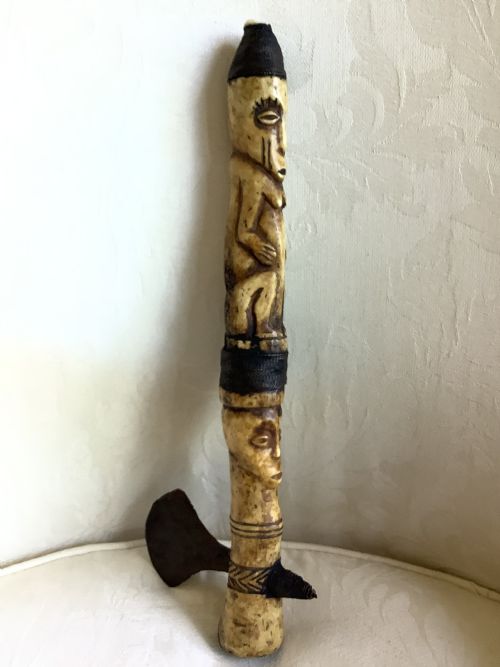
The selections available here span from the eighteenth century through to the early twentieth century. You will frequently encounter hardwood clubs, carved bone objects, ceremonial axes and fertility figures.
Originating from specific cultures such as the Atoni, Yoruba, Turkana, and various Aboriginal and Pacific communities, these pieces carry the distinct aesthetic and utilitarian design of their makers.
Materials and construction
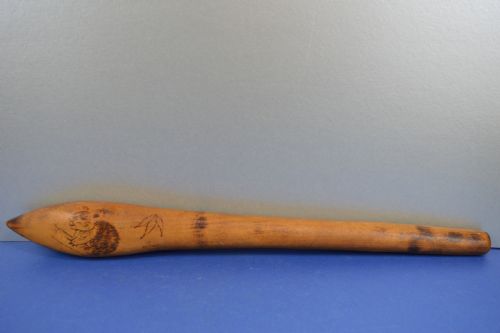
Makers utilised dense native timbers such as hardwood to fashion durable throwing clubs, war clubs and hanging bowls designed for both function and ritual use. Carving was executed using iron and traditional tools to shape the wood.
Bone and whalebone formed significant components for items like carved skulls, long bone objects and ceremonial axes, often combined with natural fibre, leather and iron elements to secure bindings and functional attachments.
Bronze casting appears in specific sculptural forms like busts, demonstrating mastery over metalwork alongside traditional woodcarving and bone-working techniques across different tribal regions.
Represented origins span African, Oceanic, Indonesian, and Indigenous Australian cultures.
Distinctions in quality
Quality in an ethnographic tribal artefact rests upon the authenticity of traditional usage, the integrity of the material, and the strength of the carving. Pieces that exhibit clear tool marks and purposeful shaping demonstrate superior craftsmanship.
Surface appearance is vital, with genuine handling wear, deep patination and honest age-related marks distinguishing better examples from later or purely decorative reproductions. The balance and proportion of clubs and figures also reflect the skill of the original maker.
The Ethnographic Tribal Artifact Glossary
- Patina
- The surface sheen and colour developed through years of handling, use and exposure to environmental conditions. This layer helps confirm the age and genuine history of an object.
- Hardwood
- Dense timber sourced from broad-leaved trees, traditionally selected for weapons and implements requiring durability and weight. It resists splitting and takes a fine carved finish.
- Ceremonial object
- An item utilised in rituals, rites of passage or community gatherings rather than daily domestic tasks. These pieces often incorporate symbolic carvings and materials.
- Nulla-nulla
- A traditional Australian Aboriginal wooden club used for hunting, fighting or settling disputes. They are typically fashioned from heavy native timber with a rounded or curved head.
Ethnographic Tribal Artifact: Frequently Asked Questions
What is an ethnographic tribal artifact?
An ethnographic tribal artefact is a manufactured object or sculpture created by indigenous and traditional societies for daily use, warfare, or ceremony. These items reflect the cultural practices, beliefs, and artistic styles of specific regional groups.
The inventory includes items ranging from eighteenth-century Fijian war clubs to nineteenth-century African fertility figures and bone axes, capturing diverse historical periods and geographical origins.
How were tribal war clubs used?
Tribal war clubs served primarily as close-combat weapons in warfare, inter-tribal conflict, and ceremonial displays. Forms like the Fijian Vunikau or Polynesian paddle clubs were shaped with heavy heads to deliver impactful strikes.
Beyond combat, many clubs held significant social status and were passed down or utilised in formal community rituals, reflecting the authority and martial traditions of the owner.
How do I care for wooden tribal art?
Wooden ethnographic objects require stable environmental conditions away from direct sunlight and rapid temperature fluctuations. Maintaining moderate indoor humidity prevents the hardwood from drying out and cracking.
Dust gently with a soft, dry brush and avoid applying modern polishes, waxes, or oils that might alter the historic surface patina and original finish of the piece.
How can I tell the age of these pieces?
Dating relies on examining the type of wood, tool marks left by metal or stone implements, and the nature of the surface wear. Genuine age shows in the deep patination of handling areas and authentic wear patterns.
Comparing construction methods with documented pieces from specific regions and eras, such as nineteenth-century Australian Aboriginal clubs or eighteenth-century Pacific bowls, provides further historical context.