





Ethnographic Tribal Art
These pieces of ethnographic tribal art span centuries of global craftsmanship, offering tangible connections to diverse cultural traditions.
Ethnographic Tribal Art
When you search for ethnographic tribal art, you encounter a diverse array of cultural artefacts spanning several continents and centuries. The selection encompasses functional weaponry, ceremonial objects, and figural sculptures shaped by distinct traditions.
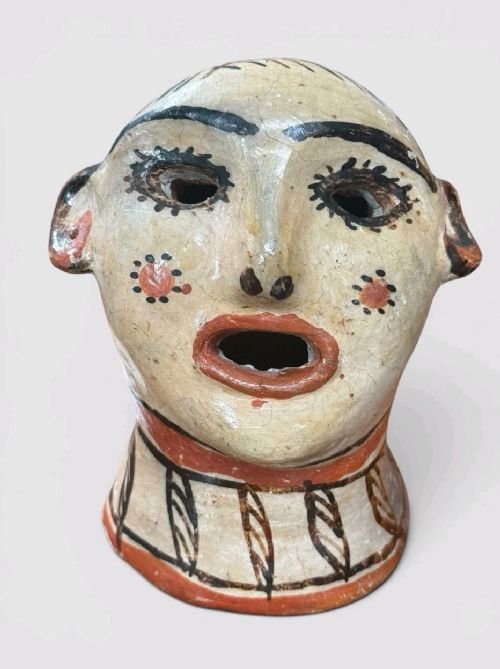
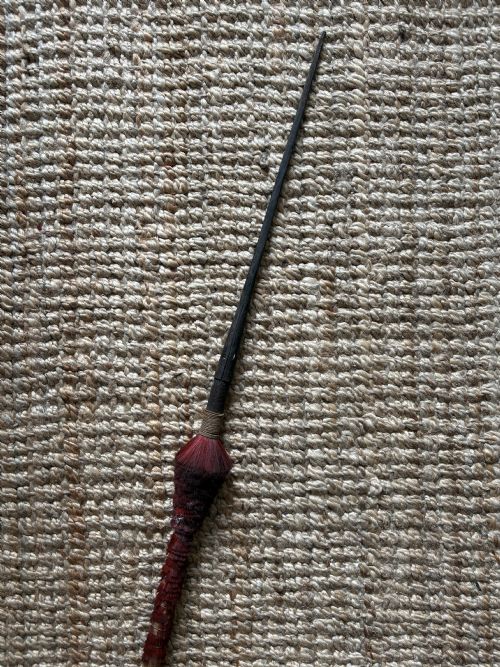
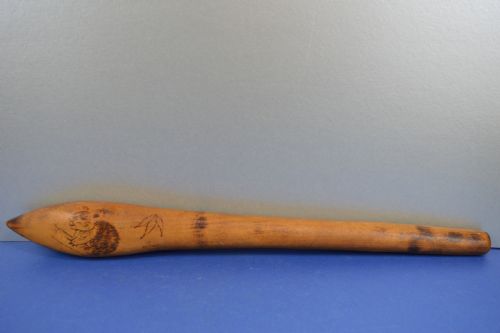
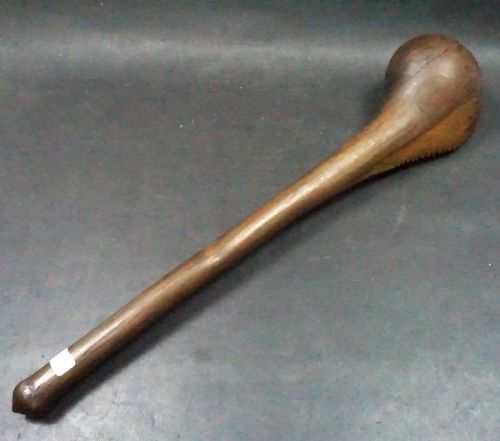
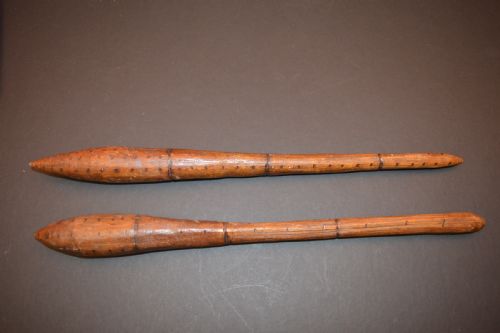
You are most likely to meet pieces originating from African, Oceanic, Indigenous Australian, and Inuit contexts on this page. These works range from nineteenth-century hardwood clubs and iron spears to twentieth-century pottery busts and reliquary guardian heads.
The objects serve varied purposes, including spiritual guardianship, daily utility, ceremonial performance, and artistic expression. Each piece carries the distinct aesthetic and material signature of its makers.
Materials and Techniques
Makers utilised organic materials readily available in their local environments, predominantly selecting hardwoods, bone, and iron for durability and ritual significance. Sculptural forms and weaponry are frequently enhanced with pigment, fibre, leather, and vegetable dye.
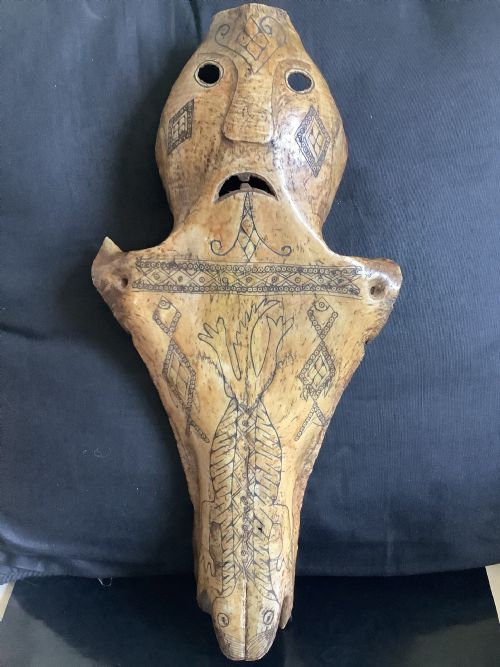
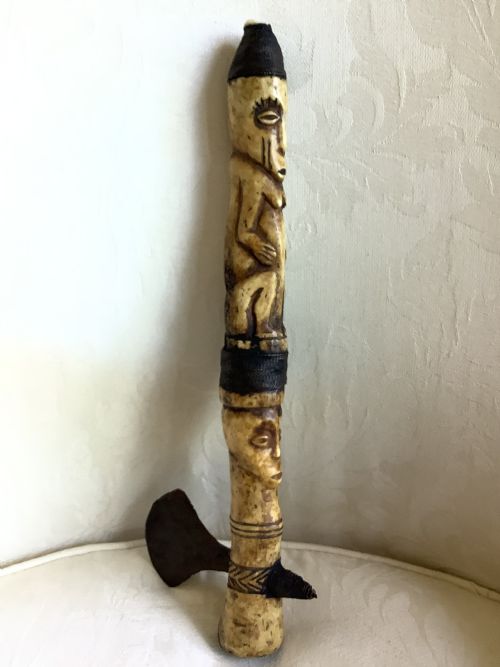
Carpentry, carving, and metal casting define the construction methods observed across these listings. Artisans shaped dense timbers into war clubs and panels, cast bronze busts, and fashioned delicate bone skulls or skin-covered models with specialised hand tools.
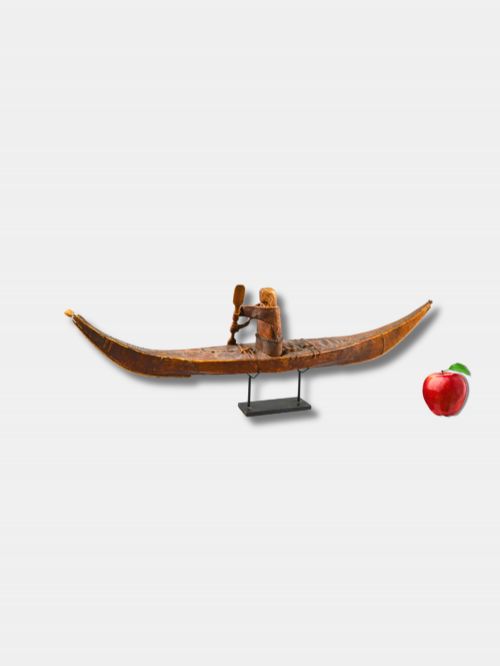
An eighteenth-century Fijian war club shares space here with an Eskimo in a kayak, complete with tanned seal skin.
Assessing Quality
Quality rests in the fidelity of the carving, the integrity of the material, and the depth of surface patination. Pieces that exhibit confident tool work and balanced proportions stand apart from simpler iterations.
Age and authenticity of use heavily influence the standing of an artefact. Objects showing genuine wear from ritual or functional contexts carry greater cultural resonance than later interpretations.
The Ethnographic Tribal Art Glossary
- Patinated Wood
- Wood that has developed a lustrous surface sheen through handling, ageing, and environmental exposure over many decades.
- Reliquary Guardian
- A sculptural figure placed upon or near a container holding ancestral remains to protect the contents.
- Knobkerrie
- A traditional Southern African wooden club featuring a heavy knob at one end, utilised for hunting or combat.
- Nulla - Nulla
- A traditional Australian Aboriginal wooden club or throwing stick used in hunting and warfare.
- Vunikau War Club
- A heavy hardwood striking weapon originating from Fiji, often characterised by a distinctive rootstock head.
Ethnographic Tribal Art: Frequently Asked Questions
What is ethnographic tribal art?
Ethnographic tribal art encompasses cultural objects, sculptures, and weaponry created by indigenous societies worldwide. These pieces reflect the spiritual, social, and functional traditions of their makers.
The items found in this category range from ceremonial masks and figures to functional hunting clubs and personal adornments.
How do I identify a nineteenth-century club?
Nineteenth-century clubs are typically identified through material analysis, tool marks, and specific regional typologies. Dense hardwoods like those from Fiji or Polynesia display distinct grain patterns and wear consistent with age.
Examining the patination and construction methods helps differentiate genuine nineteenth-century pieces from later reproductions.
Where do these tribal artefacts originate?
The artefacts originate from diverse global regions, with strong representation from African, Oceanic, Indigenous Australian, and Inuit cultures. Each geographic area utilises local materials and distinct artistic styles.
For instance, items from West Timor feature bone work, while Papua New Guinea yields carved wooden bowls and Oceanic war clubs.
How should I display tribal sculptures?
Tribal sculptures and wall panels require stable indoor environments away from direct sunlight and extreme humidity fluctuations. Proper mounting secures heavier items like bronze busts or hardwood figures safely.
Allowing sufficient space around each object highlights its form and cultural significance within a room.