








Ethnic Textile Rug
These ethnic textile rug examples bring vibrant nomadic artistry into a room, offering rich geometric patterns and tactile depth.
Ethnic Textile Rug
An ethnic textile rug encompasses tribal wall hangings, flat-woven panels, and ceremonial covers originating from Central Asia, Persia, and beyond. Pieces matching this search phrase span from the mid-nineteenth century to the early twentieth century, reflecting nomadic and village traditions.
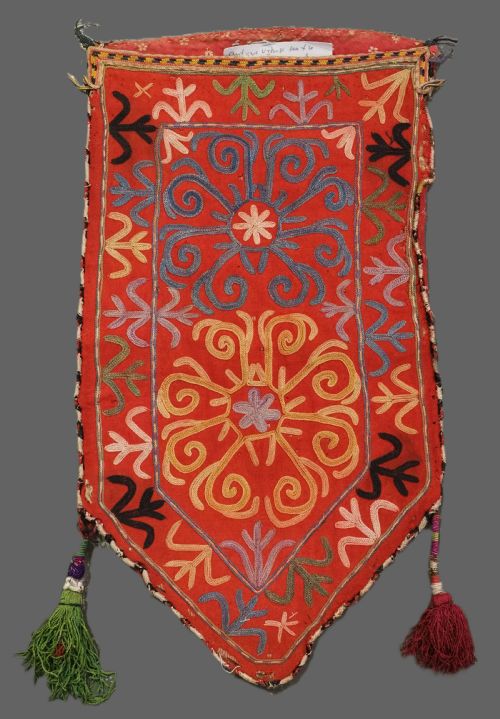
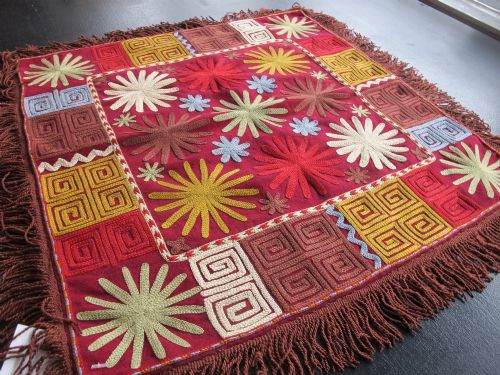
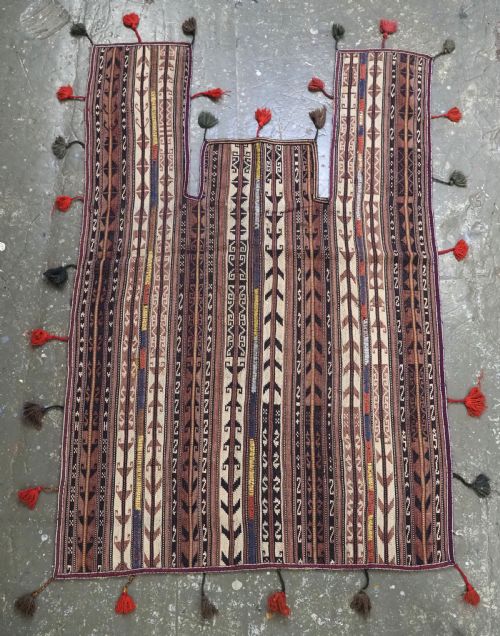
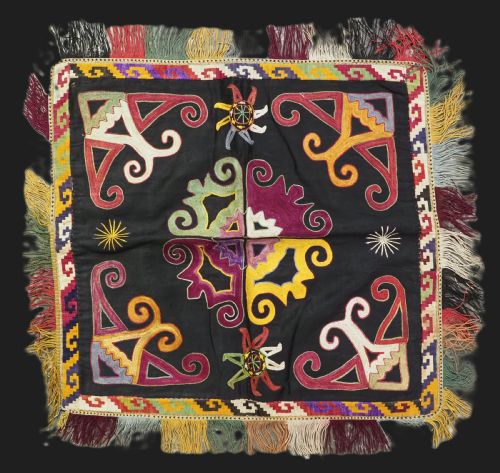
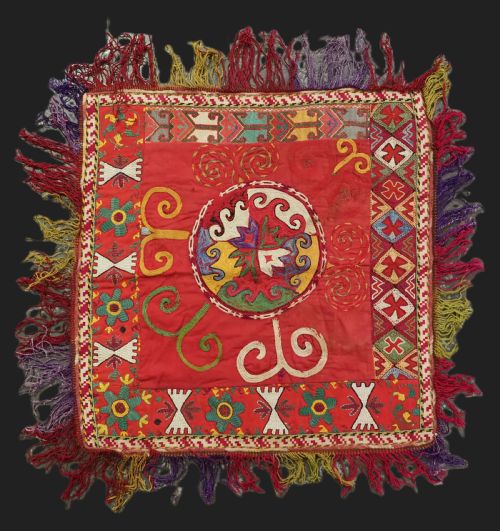
The selection on this page relies heavily on Central Asian and tribal works, including Uzbek Suzanis, Lakai embroideries, and Turkmen tent bags. These objects served functional or ceremonial roles within nomadic households before finding appreciation as decorative textile art.
Materials and construction methods
Makers utilised natural fibres including wool, hand-spun wool, cotton, and hand-spun cotton as foundations for their creations. Silk frequently appears in decorative embroidery and dyed panels, providing contrast and lustre against heavier woven grounds.
Techniques range from intricate needlework and chain-stitch embroidery to flat-weaving methods such as kilim construction. Dyes were traditionally sourced from local plants and minerals, resulting in deep, saturated colour palettes.
Ethnic Textile Rug Retail Price Guide 2026
Typical asking prices for ethnic textile rug among the pieces listed under this phrase on Sellingantiques today, from the lower quarter to the upper quarter. They describe what is for sale here now, not the wider market.
Many horse blankets and dowry pieces carry protective talismans stitched secretly into the corners to ward off the evil eye.
Distinguishing quality in tribal textiles
Quality rests upon the precision of the needlework or weave, alongside the complexity and balance of the graphic design. Tighter stitching and well-executed motifs indicate superior craftsmanship within regional traditions.
The vitality and preservation of the natural dyes significantly influence the visual impact of a piece. Well-balanced proportions and intact borders complete the distinction between standard village items and exceptional tribal examples.
The Ethnic Textile Rug Glossary
- Suzani
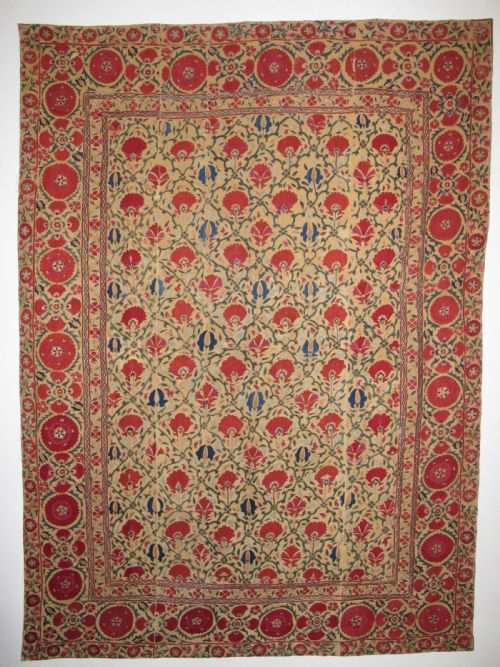
- An embroidered tribal wall hanging originating from Central Asia, typically worked in silk on a cotton ground. These large textiles were traditionally created as part of a bride's dowry.
- Ikat
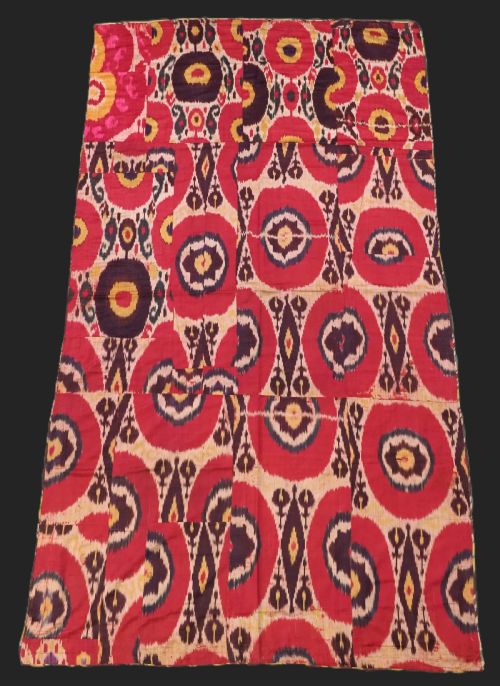
- A dyeing technique where yarns are tie-dyed before weaving to create intricate patterns with characteristic hazy outlines. Silk ikat panels and fabric lengths display this vibrant dyeing method.
- Kilim
- A flat-woven carpet or tapestry lacking a pile. These pieces are constructed by tightly interweaving warp and weft strands to produce bold geometric designs.
- Torba
- A small ceremonial storage bag produced by Turkmen and Lakai tribes. They were traditionally hung inside yurts to store household possessions.
- Yurt
- A portable, round tent used by nomads in Central Asia. Textiles such as bands and wall hangings decorated these structures.
Ethnic Textile Rug: Frequently Asked Questions
How were ethnic textile rugs used?
Nomadic communities utilised these woven and embroidered pieces for both practical shelter decoration and ceremonial purposes. Items functioned as dowry panels, wall hangings, horse blankets, and storage bags within traditional tents.
Over time, these functional objects transitioned into decorative wall art. Their rich patterns and cultural significance made them sought-after interior display pieces.
Where do these tribal textiles originate?
The pieces originate primarily across Central Asia, including regions associated with Uzbek, Turkmen, and Kyrgyz tribes. Additional examples stem from Persian nomadic groups and other traditional weaving cultures.
Each geographical region developed distinct stylistic signatures, specific dye palettes, and characteristic embroidery stitches. These localized methods allow collectors to identify the provenance of individual works.
How do I care for an antique textile rug?
Protect antique textiles from direct sunlight to prevent natural dyes from fading over time. Gentle vacuuming through a mesh screen helps remove dust without damaging fragile fibres or loose threads.
Professional textile conservators should handle any necessary cleaning or mounting. Avoid hanging heavy pieces by single points to distribute weight evenly across the fabric.
How do I distinguish between regional styles?
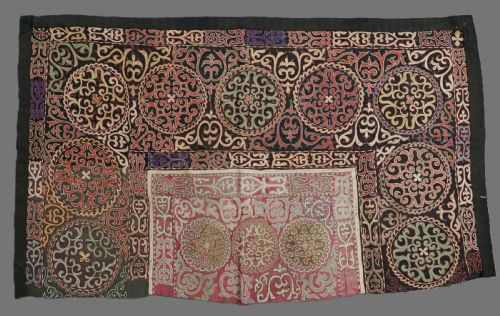
Regional identification relies on observing specific motifs, colour combinations, and stitch types. For instance, Lakai embroideries often feature dynamic, asymmetrical geometric appliqués, while Suzanis typically display large floral medallion layouts.
Familiarity with the distinct palettes of specific tribes helps clarify origins. Comparing structural details against documented examples provides further confirmation of period and place.