







Ethnic Textile Art
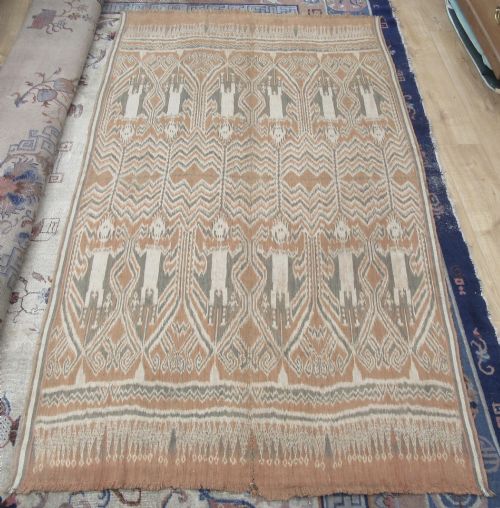
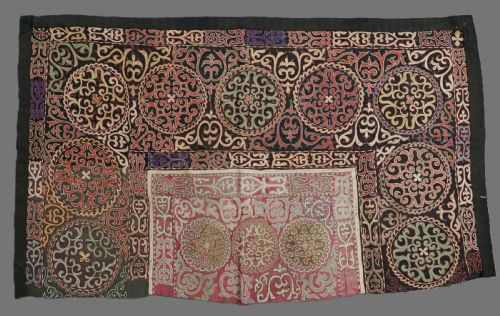
Ethnic textile art brings together tribal wall hangings, nomadic embroideries, and ceremonial garments that transform plain walls into textured focal points.
Ethnic Textile Art
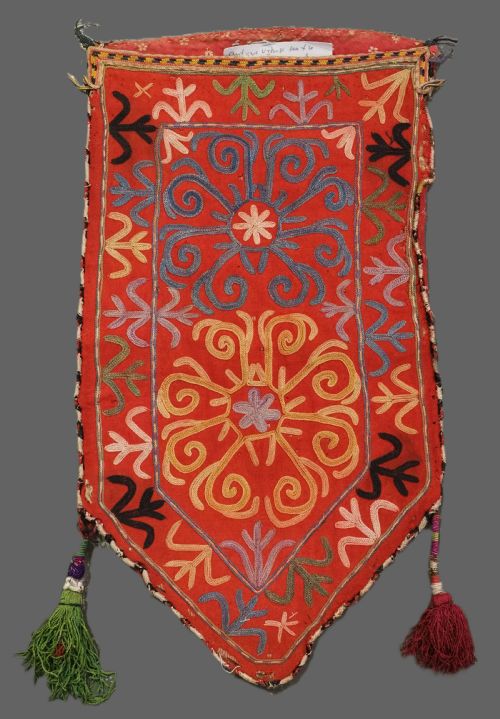
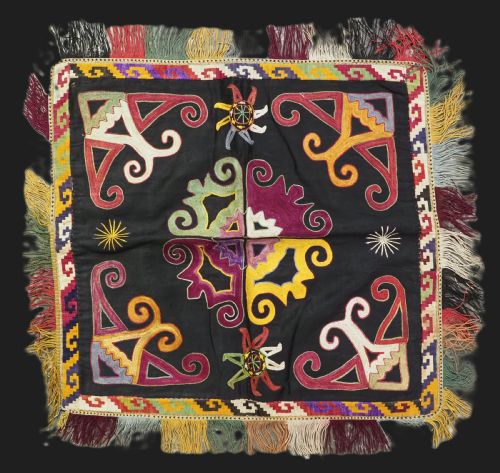
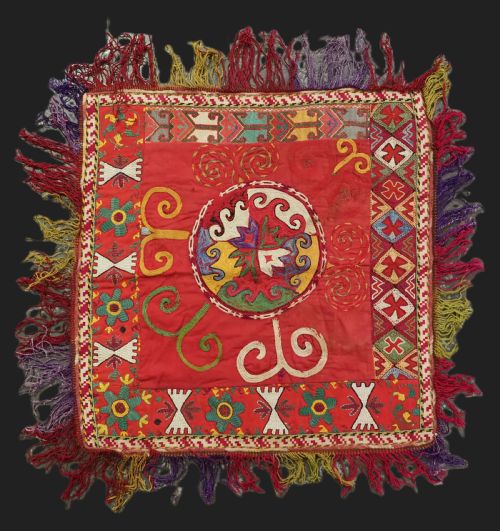
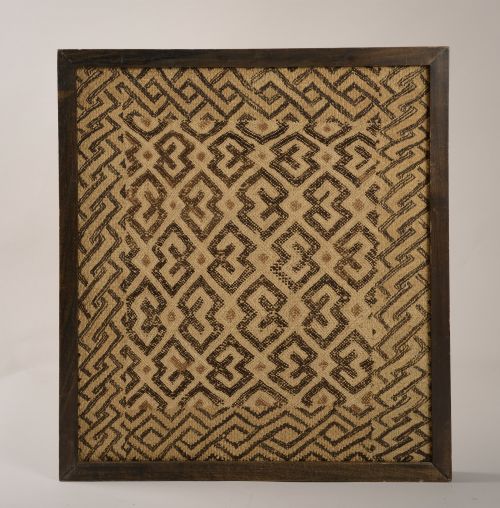
Ethnic textile art encompasses traditional wall hangings, dowry embroideries, ceremonial coats, and woven panels originating from Central Asia, Persia, India, and Africa. When exploring ethnic textile art, the most frequent encounters involve intricate Uzbek Lakai embroideries, Turkmen tribal trappings, and Kuba raffia cloths.
These pieces primarily serve as wall art and interior textiles, spanning periods from the mid-nineteenth century through the early twentieth century. Makers fashioned these works for domestic decoration, nomadic yurt display, or ceremonial use within their communities.
Buyers often select these works to introduce rich colour, varied geometry, and authentic cultural history into contemporary interiors. The selection balances framed decorative compositions with unframed textile panels ready for hanging.
How they were made
Artisans constructed these textiles using natural fibres such as hand-spun wool, cotton, and silk thread, often worked upon sturdy cotton or wool foundations. Embroidery techniques dominate the selection, featuring dense needlework that covers the base fabric in geometric or figurative motifs.
Certain pieces incorporate organic materials like raffia, alongside carved hardwood elements found in associated decorative sculptures. Weavers and embroideres utilised traditional vegetable and insect dyes to achieve lasting colour depth across Central Asian and African workshops.
Ethnic Textile Art Retail Price Guide 2026
Typical asking prices for ethnic textile art among the pieces listed under this phrase on Sellingantiques today, from the lower quarter to the upper quarter. They describe what is for sale here now, not the wider market.
Nomadic brides stitched their hopes directly into dowry embroideries, ensuring every wall hanging doubled as a portable gallery of personal history.
What varies in quality
Quality in these textiles rests upon the density of the stitchwork, the precision of the tribal geometry, and the preservation of the original ground fabric. Superior examples display exceptionally fine needlework and complete borders, while simpler pieces show broader stitches or later repairs.
The vibrancy and complexity of the dye palette further separate standard examples from masterworks, particularly in silk Suzanis and ceremonial coats. Original completeness, such as retaining both faces of a double-faced hanging or intact fringe work, defines the upper tier of the range.
The Ethnic Textile Art Glossary
- Ikat
- A dyeing technique where yarn is resist-dyed before weaving to create characteristic blurred pattern edges. This method produces intricate, feather-like geometric designs across panels.
- Suzani
- A large, embroidered wall hanging from Central Asia, typically worked in silk on a cotton ground. These pieces were traditionally made by brides as part of their dowry.
- Kuba cloth
- A textile woven from raffia palm fibre by the Kuba people of Central Africa, known for geometric cut-pile designs. These tapestries often feature complex linear patterns and patched repairs.
- Tush kyiz
- A large, elaborately embroidered Kyrgyz wall hanging created by women to commemorate the marriage of a son or daughter. They traditionally feature symbolic flora, fauna, and national motifs.
- Torba
- A small tribal bag or wall hanging produced by Turkmen and Uzbek nomads for household storage or decoration. They display distinct tribal gul motifs and fringed lower edges.
Ethnic Textile Art: Frequently Asked Questions
How do I hang antique textiles?
Mount textiles by attaching a fabric sleeve to the reverse and sliding a flat wooden batten through it to distribute weight evenly across the wall. Alternatively, professional framers can mount pieces behind conservation-grade glass.
Ensure pieces remain out of direct sunlight to protect natural wool and silk dyes from fading over time.
How are tribal textiles cleaned?
Antique textiles require minimal intervention, usually limited to gentle surface dusting with a soft brush or low-suction vacuum through a protective mesh screen. Avoid washing these pieces at home, as historical natural dyes can run or weaken.
Consult a specialist textile conservator for professional cleaning if deep remediation becomes necessary.
What is a Lakai ilgich?
An ilgich is a type of embroidered wall hanging or dowry piece created by the Lakai sub-tribe of Uzbek nomads. They are celebrated for exuberant, asymmetrical geometric motifs stitched in bright silk thread.
These pieces were made to decorate the interior of traditional nomadic dwellings.
How do I date tribal embroideries?
Dating relies on examining the types of thread, the chemical composition of the dyes, and the weave of the foundation cloth. Earlier nineteenth-century examples often feature distinct natural palettes and hand-spun wool foundations.
Mid-century pieces typically show different synthetic dye traces or machine-spun backing materials.