





Ethnic Patterned Rug
An ethnic patterned rug brings warmth and history to a room through traditional weaving and rich textile designs.
Ethnic Patterned Rug
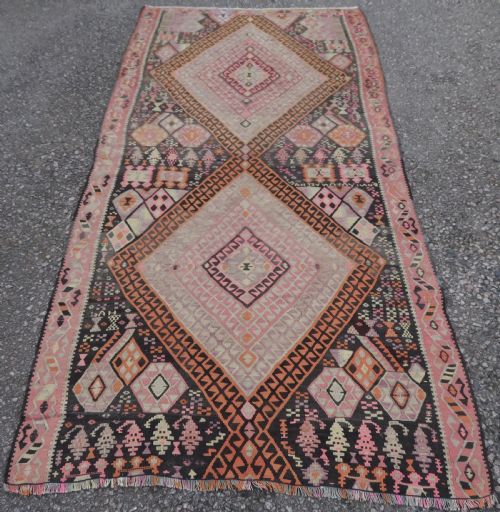
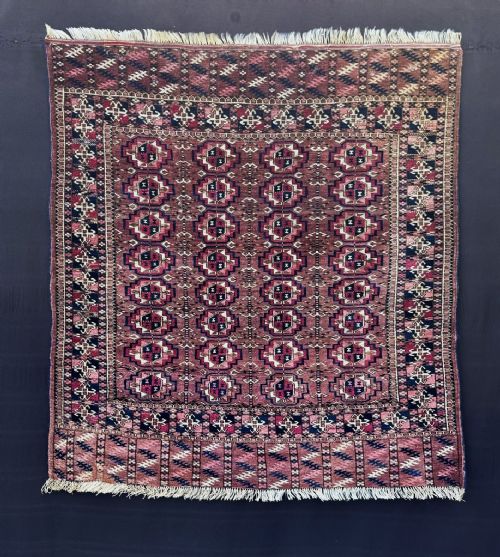
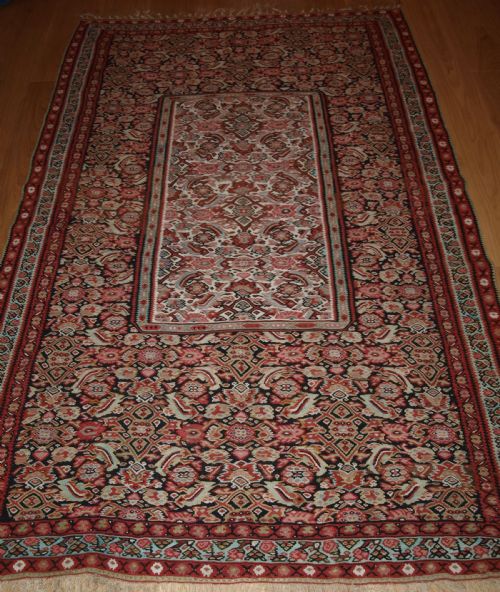
When you search for an ethnic patterned rug, you are looking at woven textiles, carpets, and kilims that carry traditional tribal designs from regions such as Anatolia, Central Asia, Persia, and Afghanistan. These pieces range from large floor coverings to smaller village rugs and bag faces, often displaying geometric or medallion motifs.
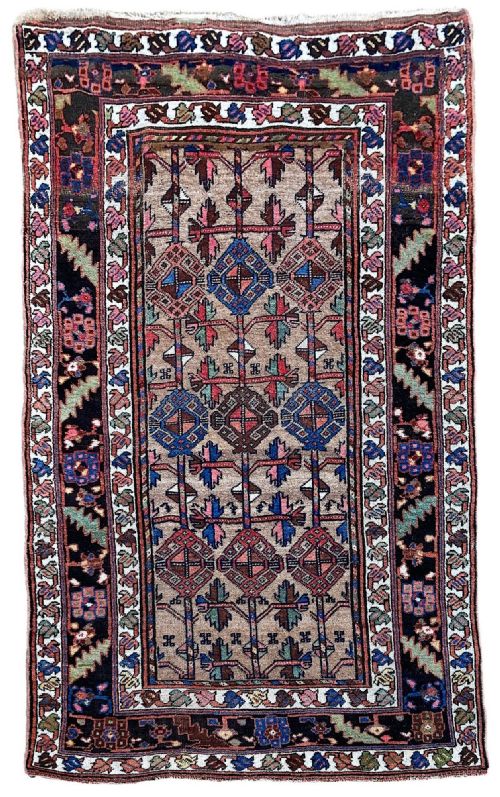
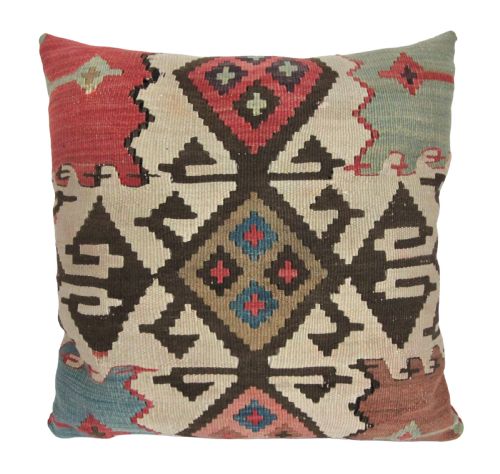
On this page, you will most frequently meet items originating from the nineteenth and early twentieth centuries, including Anatolian and Kurdish tribal pieces alongside utilitarian forms converted into cushions. The selection captures both flat-woven kilims and pile carpets created by village and nomadic weavers.
Materials and construction
The pieces listed record the primary use of wool and hand-spun wool, frequently paired with cotton foundations for structural stability. Certain decorative textiles also utilise silk embroidered onto cotton grounds.
Weavers employed traditional techniques such as flat-weaving for kilims, pile-knotting for rugs, and intricate embroidery for items like Suzanis. These methods resulted in durable domestic furnishings and ceremonial objects designed for practical use.
Ethnic Patterned Rug Retail Price Guide 2026
Typical asking prices for ethnic patterned rug among the pieces listed under this phrase on Sellingantiques today, from the lower quarter to the upper quarter. They describe what is for sale here now, not the wider market.
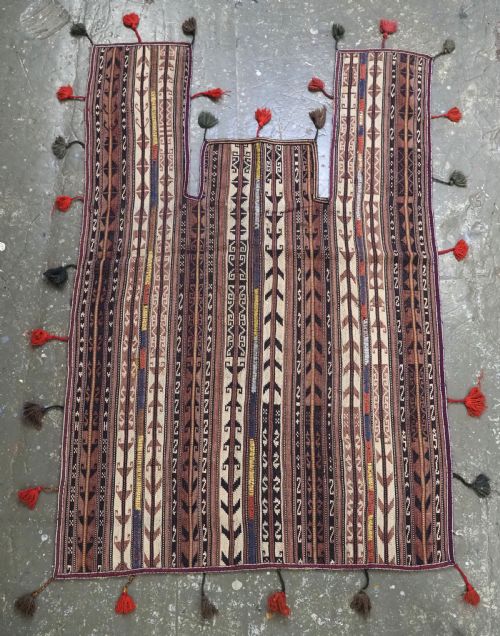
An Afghan horse blanket once dressed a steed for ceremonies long before its threads found a quiet retirement on a modern floor.
Factors of quality
The standard of a woven textile depends upon the fineness of the spin, the tightness of the weave, and the integrity of the materials employed. Hand-spun wool and well-preserved silk embroidery denote higher craftsmanship in village and nomadic production.
Design clarity and the depth of colour also separate standard examples from finer works, particularly in regional kilims and tribal carpets where repeat medallions and traditional motifs require precise execution.
The Ethnic Patterned Rug Glossary
- Kilim
- A flat-woven carpet or rug produced without a pile, traditionally made across Anatolia and the Caucasus. These textiles are known for their sharp geometric patterns created by interlocking the warp andweft threads.
- Suzani
- A type of embroidered tribal textile originating from Central Asia, typically featuring silk thread stitched onto a cotton or linen ground. They often display large floral or medallion designs.
- Bag face
- The decorated front panel of a nomadic storage bag, which was separated from the back and preserved as a small rug or cushion. These pieces frequently exhibit dense tribal iconography.
- Warp
- The vertical threads stretched tightly on a loom before weaving begins. The weft is passed across these stationary threads to form the fabric.
Ethnic Patterned Rug: Frequently Asked Questions
What is an ethnic patterned rug?
An ethnic patterned rug is a hand-woven or embroidered textile featuring traditional motifs specific to regional tribal groups, such as Kurdish, Turkmen, or Anatolian weavers.
These pieces encompass floor coverings, flat-woven kilims, and ceremonial objects made from natural materials like wool and cotton.
How do I care for an antique rug?
Protect antique woven textiles by placing them in low-traffic areas and keeping them out of direct, prolonged sunlight to prevent fading of natural dyes.
Gentle vacuuming without a rotating brush and professional specialist cleaning will help preserve the wool and silk fibres.
How can I tell the age of a rug?
Determining the age involves examining the type of wool, the composition of the dyes, and the structural characteristics of the weave. Hand-spun wools and specific regional palettes often point towards nineteenth or early twentieth-century production.
Construction details, such as selvages and end finishes, also provide clues to the period in which the textile was made.
Were these rugs used daily?
Many of these textiles served practical domestic functions, acting as floor coverings, tent decorations, or storage bags within nomadic and village communities.
Some exceptional items, such as ceremonial horse blankets or Suzanis, held specific cultural or ritual purposes rather than everyday utility.