


Equestrian Silver Box
An equestrian silver box brings the stable into the drawing room through horseshoe motifs, hoof bodies, and jockey enamel.
Equestrian Silver Box
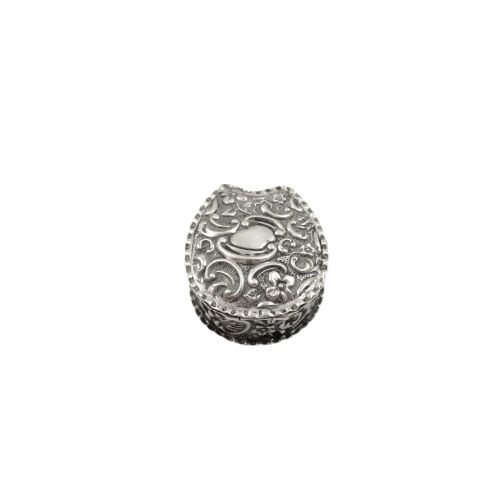
An equestrian silver box combines the passions of the turf and the hunt with the silversmith's craft, taking the form of snuff boxes, tobacco boxes, trinket boxes, and caskets. When you search for an equestrian silver box, you enter a field populated by horseshoe shapes, taxidermy hooves, and enamel jockey colours.
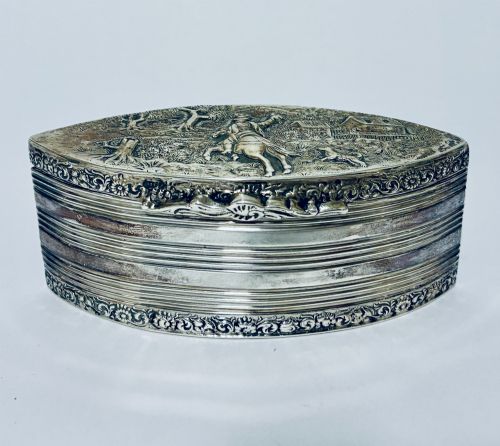
The pieces on this page span the Georgian, Victorian, and mid-twentieth century periods, reaching from William IV snuff boxes up to modern smoking compendiums. You will encounter forms designed for the desk, the pocket, and the smoking table, created in sterling silver and silver plate.
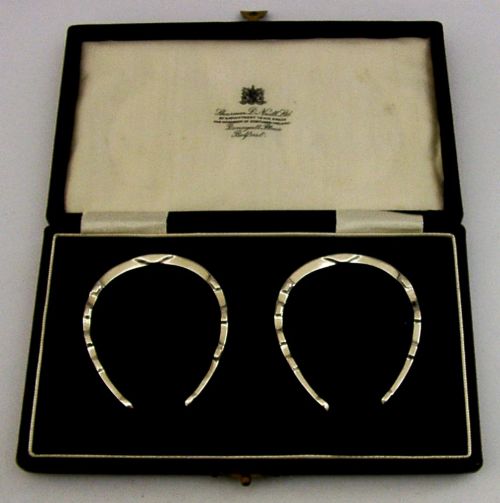
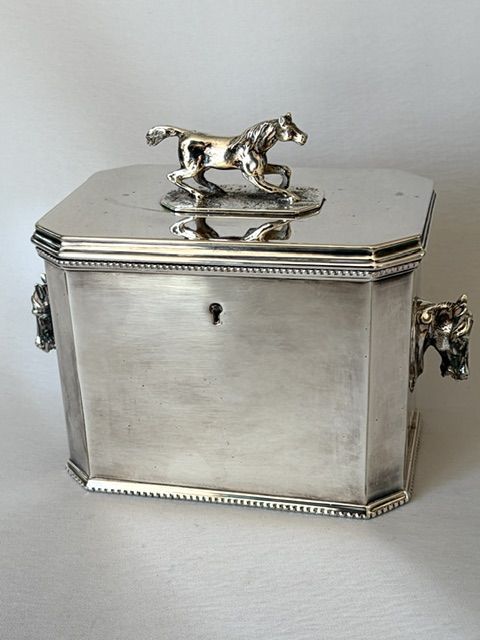
The most frequent examples draw heavily on Victorian and early twentieth-century motifs, often featuring embossed horseshoes or mounted hoofs. They serve as containers for tobacco, pills, and small desk items, carrying the distinct iconography of the stables and the racecourse.
Materials and construction
Sterling silver and silver plate form the primary structural and decorative elements, shaped through embossing, casting, and engraving. Metals combine with horse hoof taxidermy and glass cut crystal to create tactile objects that mirror the materials of the riding trade.
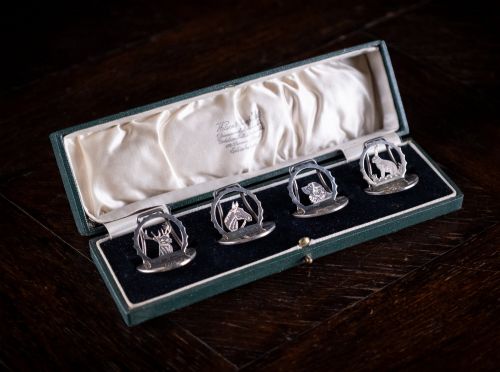
Enamel provides the vivid colour on specific pieces, capturing jockey silks and racing colours with vitreous precision. Interiors are frequently lined with velvet or satin to protect the contents and add a layer of textural contrast.
The construction methods reflect the prevailing style of their period, moving from heavy Georgian and Victorian chasing to the cleaner lines of Art Deco and mid-century modern design. Structural joints and hinges are integrated into the silver mounts or fitted directly to the taxidermy hoof.
Listings in this category span the nineteenth century, Georgian, Victorian, and mid-century periods, using sterling silver, silver plate, velvet, satin, enamel, and horse hoof.
The markers of quality
The standard of an equestrian silver box rests on the crispness of the chasing and the fidelity of the animal motifs, such as horseshoes and hooves. Sharp detail in the metalwork and well-preserved enamel distinguish the finer examples from simpler production pieces.
The integration of unusual materials, like taxidermy hoof or hand-painted enamel jockey silks by makers such as Fred Archer, elevates a piece above standard silver plate. Maker marks and clear hallmarks also contribute significantly to the standing of the work.
Proportion and balance dictate the visual success of the box, particularly in forms that combine organic elements like horse hooves with precious metal mounts. The quality of the interior lining, whether velvet or satin, completes the execution.
A. Wilcox·Hermes, Paris·Edward Smith
The Equestrian Silver Box Glossary
- Vesta case
- A small pocket box designed to hold matches, frequently featuring spring-loaded lids and striker bases. These often incorporate horseshoe shapes and equestrian themes.
- Snuff box
- A small hinged container used to hold ground tobacco for inhalation. Examples from the Georgian and Victorian eras often display elaborate silver embossing.
- Taxidermy
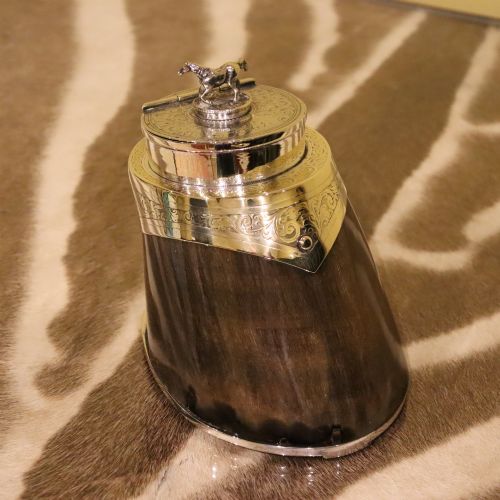
- The art of preparing, stuffing, and mounting the skins or bodies of animals. In this category, horse hooves are mounted in silver to serve as desk tidies.
- Enamel
- A glass-like substance fused to the surface of metal through firing to provide colour. It appears on vestas and boxes to depict jockey colours and racing scenes.
- Hallmark
- An official stamp applied by an assay office to indicate the purity of precious metal and the year of manufacture. These marks help date sterling silver items accurately.
Equestrian Silver Box: Frequently Asked Questions
What were equestrian silver boxes used for?
These boxes served practical functions in the nineteenth and twentieth centuries, holding items like snuff, tobacco, cigars, pills, and matches. Gentlemen and riders kept them in studies, smoking rooms, and pockets.
Over time, many transitioned into decorative desk accessories and display pieces, prized as much for their thematic connection to horses as for their utility.
How do I identify the period of an equestrian silver box?
Assay hallmarks on the metal provide the most reliable guide to age, stamped with maker marks, standard marks, and date letters. Comparing these against regional assay office records reveals the exact year of production.
Stylistic cues also help, as Georgian and Victorian pieces lean toward heavy embossing and naturalistic taxidermy, while mid-century items adopt cleaner structural lines.
Are horse hoof boxes real taxidermy?
Yes, desk tidies and caskets from the Victorian era frequently utilised actual horse hooves mounted in sterling silver. Silversmiths fitted them with hinged lids, silver shoes, and commemorative inscriptions.
This practice reflected the Victorian enthusiasm for taxidermy and the deep sentimental attachment to horses in daily domestic life.
How should I care for silver and enamel boxes?
Sterling silver benefits from gentle cleaning with a soft cloth to remove tarnish, avoiding abrasive polishes that can wear away fine engraving. Enamel requires particular care to prevent scratching or chipping around the metal mounts.
Keeping velvet and satin interiors dry and free from dust helps preserve the original lining of these small containers.