
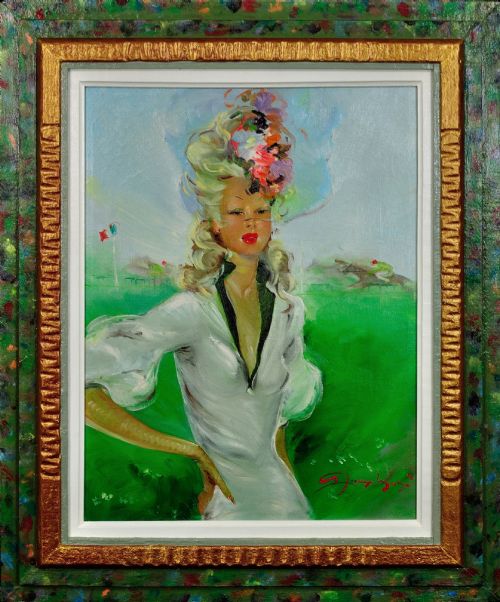
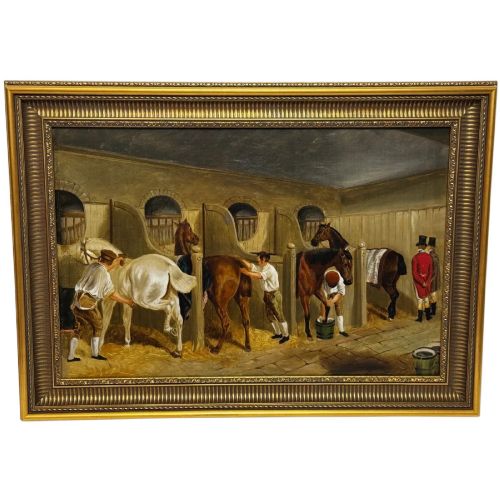
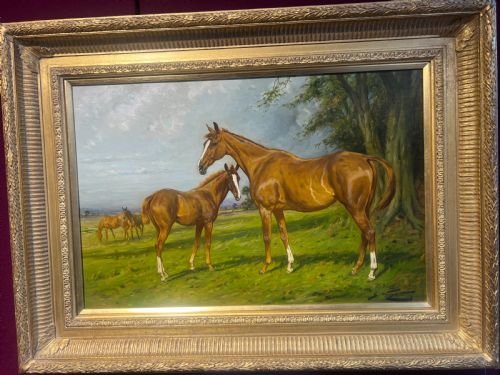
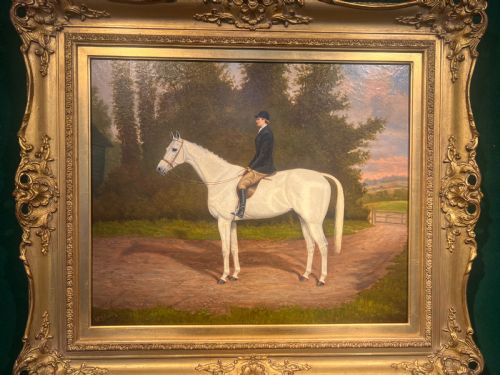
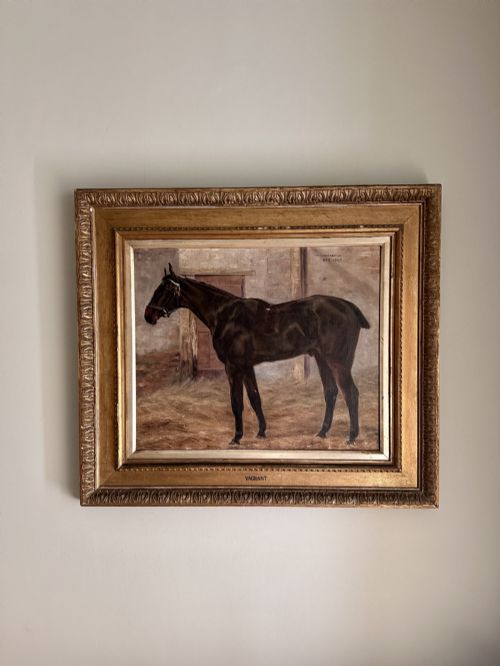
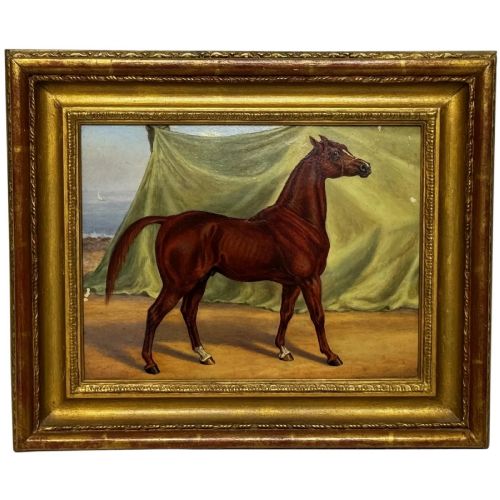
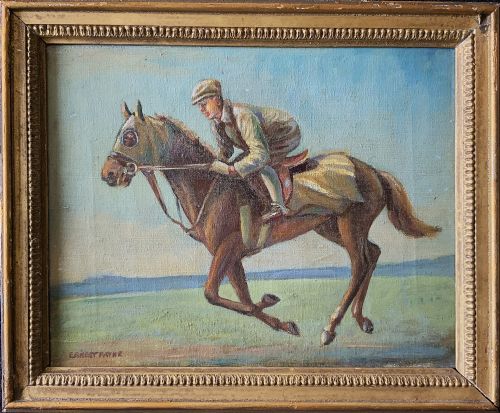
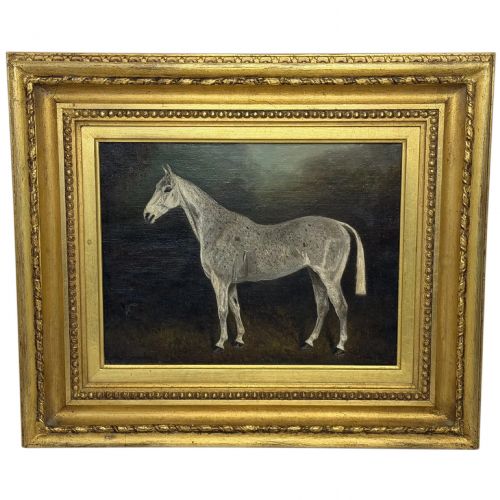
Equestrian Portrait Oil Painting
When you search for an equestrian portrait oil painting, you are looking at canvases and panels capturing horses, riders and racing history from the eighteenth century onwards.
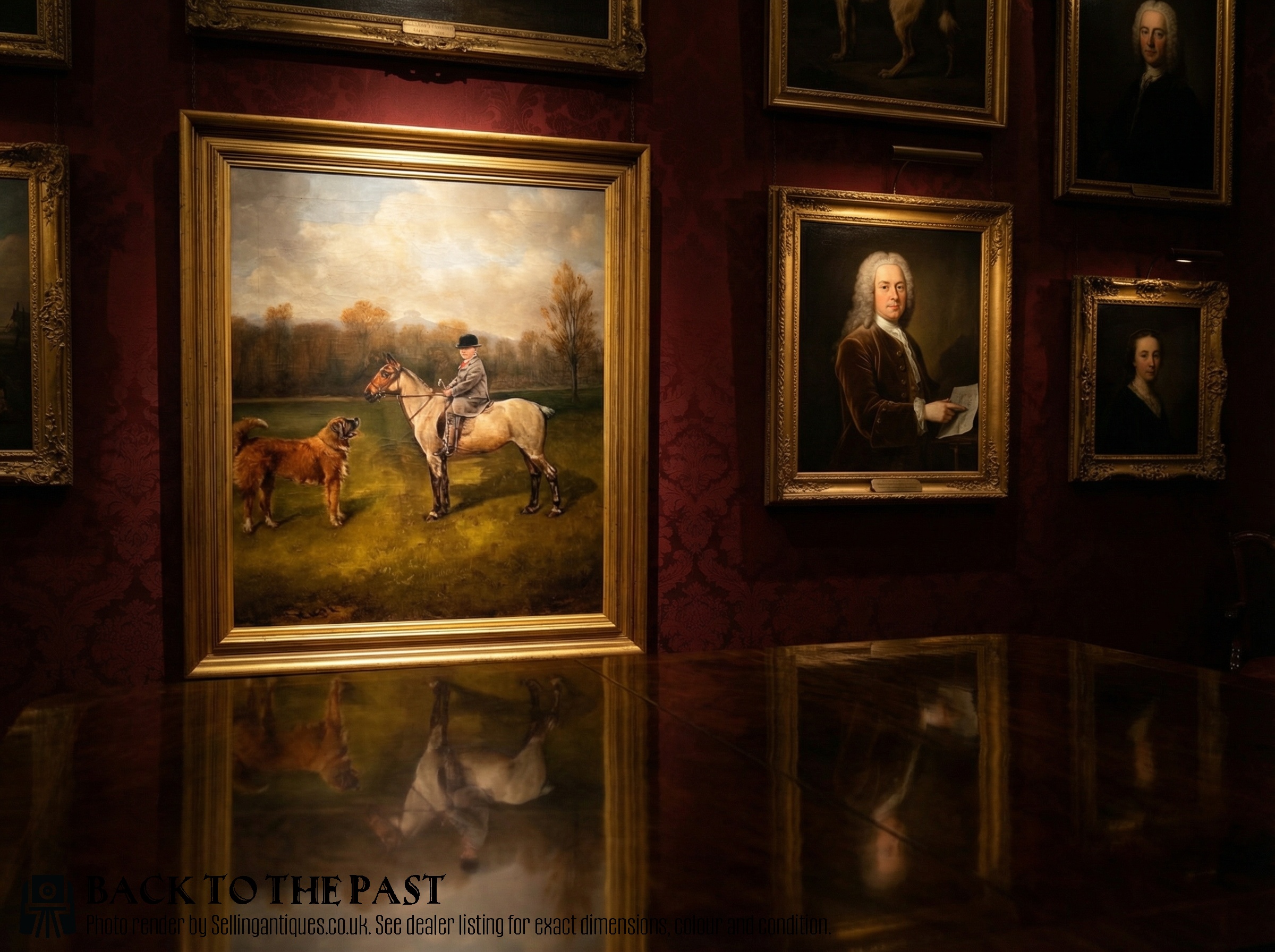
Equestrian Portrait Oil Painting
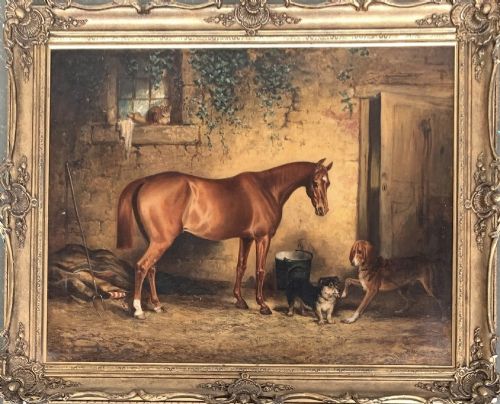
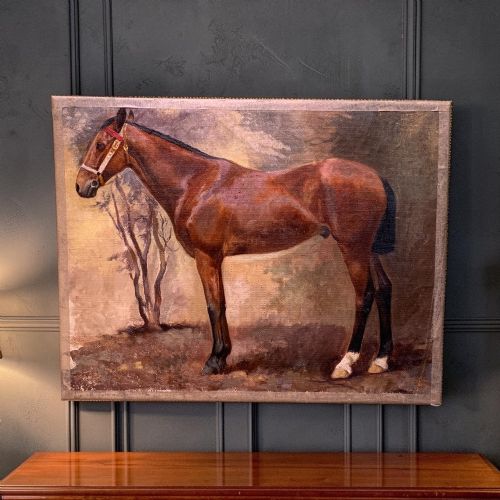
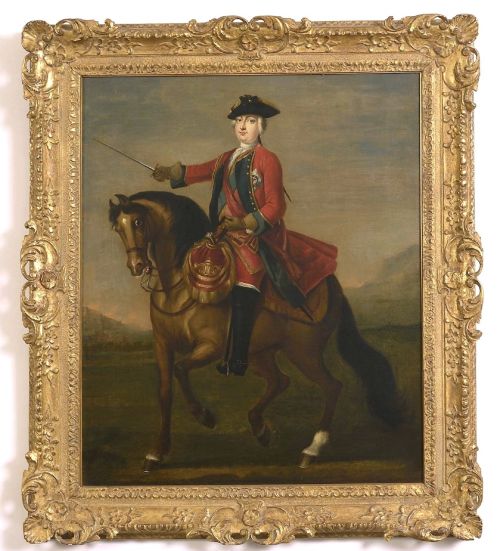
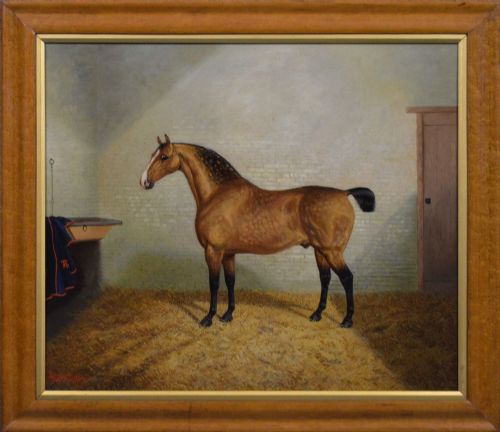
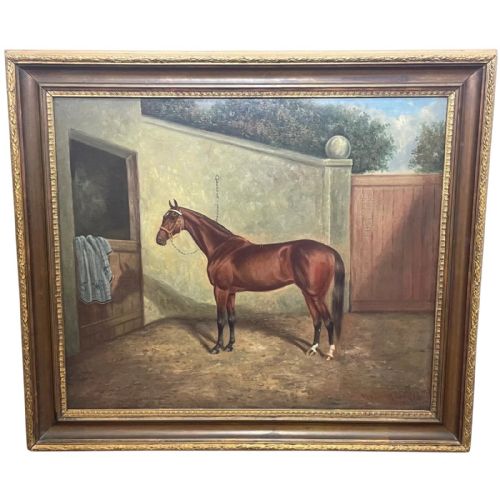
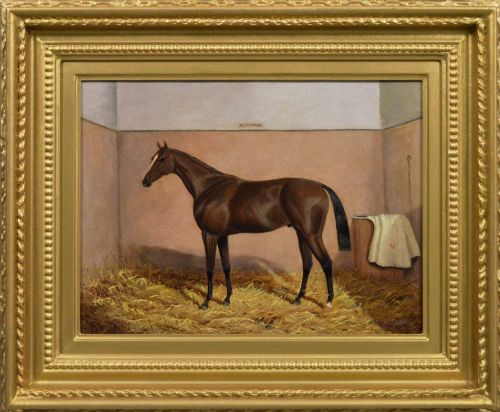
An equestrian portrait oil painting records individual horses, famous racehorses, hunters and historical figures across the eighteenth, nineteenth and twentieth centuries. You will most frequently meet nineteenth-century works and Victorian sporting art on this page, alongside earlier Georgian pieces and later twentieth-century examples.
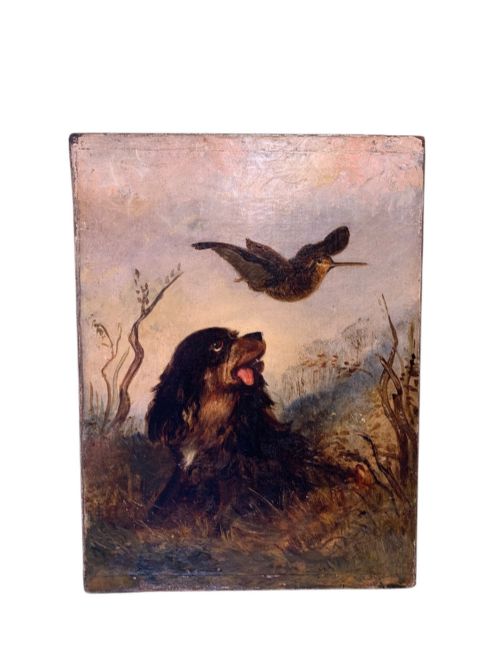
The subjects range from named winners of the Epsom Derby to stable portraits and landscape hunting scenes. Artists painted these works in oils on canvas or wood panels, often housed in original giltwood frames.
How they were made
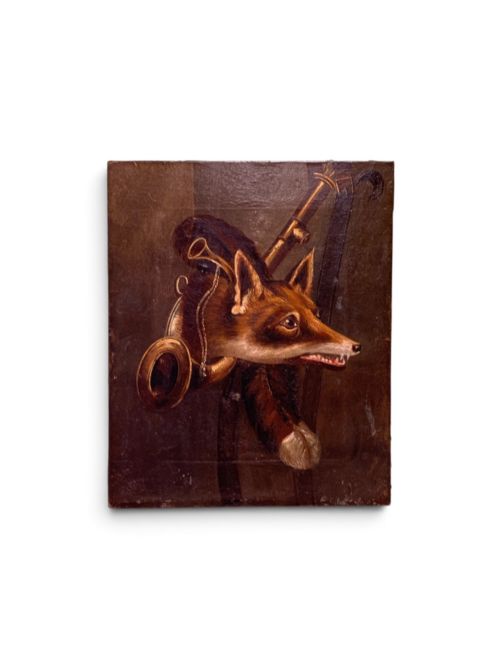
These works use oil paint applied to prepared canvas stretched over wooden frames or laid onto wood panels. Artists built up the composition using fine brushes to render the anatomy of the horse, the sheen of the coat and the landscape background.
Many surviving pieces retain their period giltwood or gilt frames, which complement the rich pigments of the oil paintings.
Listings span the eighteenth century to the twentieth century, featuring oil on canvas, wood panels, and giltwood frames.
What varies in quality
The accuracy of equine anatomy and the expressive handling of the horse's coat separate finer works from standard decorative pieces. Master painters captured the tension in muscle and the individual character of the animal rather than relying on stiff formulas.
The provenance and the significance of the subject, such as a named racehorse or a documented historical rider, elevate the importance of a canvas. The condition of the original oil paint and the integrity of the period giltwood frame also influence the standing of the work.
Henry Barraud·John Wootton·Thomas Hudson·Albert Clark·Fred Fitzpatrick·Ernest Payne·Edward Priestley·John Alfred Wheeler·Thomas Walker Bretland·John Ferneley Senior·William Williams·Karl Georg Arsenius
The Equestrian Portrait Oil Painting Glossary
- Oil on Canvas
- A painting medium where pigments suspended in drying oils are applied to a woven fabric support. This combination allows for rich colour blending and durable preservation.
- Giltwood
- Wood that has been coated with a thin layer of gold leaf or gilt powder. Frames made from this material were designed to enhance the visual depth of nineteenth-century paintings.
- Sporting Art
- A genre of painting dedicated to equestrian subjects, hunting, racing and field sports. Works in this category document the history of horses and country pursuits.
- Panel
- A flat piece of wood used as a rigid support for oil painting instead of canvas. Artists frequently utilised pine or oak boards for smaller or earlier works.
Equestrian Portrait Oil Painting: Frequently Asked Questions
How do I identify the age of an equestrian oil painting?
Look closely at the canvas preparation, stretcher frames, and the style of the giltwood surround. Handwritten inscriptions on the reverse of the canvas or stretcher often reveal the name of the horse, the artist, or the date.
Examinations of the pigment and craquelure patterns also help determine whether a work originates from the Georgian, Victorian, or later periods.
Were these paintings always created as portraits of specific horses?
Many works on canvas record named racehorses, prize-winning hunters, or royal thoroughbreds with their jockeys or stable lads. Commissioned pieces celebrated particular animals owned by prominent estates and racing patrons.
Other works depict generic types within a landscape setting, capturing the broader Victorian sporting tradition rather than an individual animal.
How should I care for an antique oil painting?
Keep the canvas away from direct sunlight, radiators, and damp environments to prevent the oil paint from cracking or the wood panel from warping. Maintain a stable room temperature to protect both the artwork and its period frame.
Dust the surface gently with a soft, dry brush and avoid using water or chemical cleaners on the paint or giltwood.
What is the difference between canvas and panel supports?
Canvas offers flexibility and a woven texture that interacts with the layers of oil paint, making it the dominant support for larger nineteenth-century works. Wood panels provide a rigid, smooth surface often found in earlier centuries.
Both materials require careful humidity control to ensure the paint layer remains stable over generations.