



Equestrian Ceramic Ornaments
Equestrian ceramic ornaments capture horse and rider in clay, offering a tangible link to Victorian parlours and ancient tombs alike.
Equestrian Ceramic Ornaments
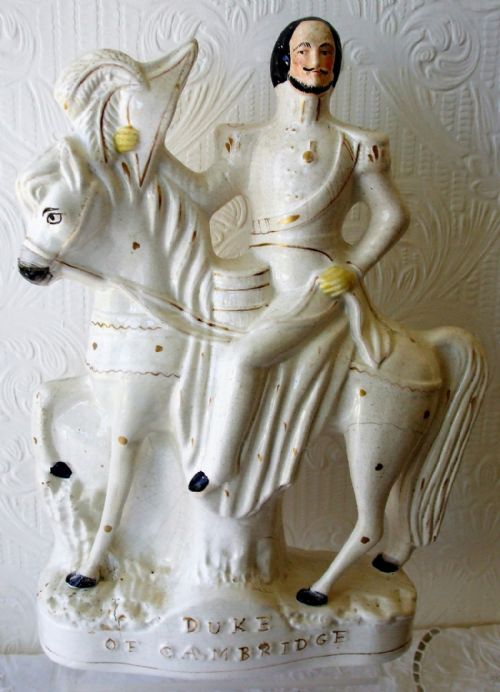
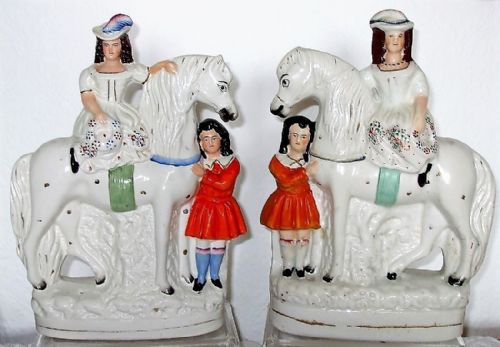
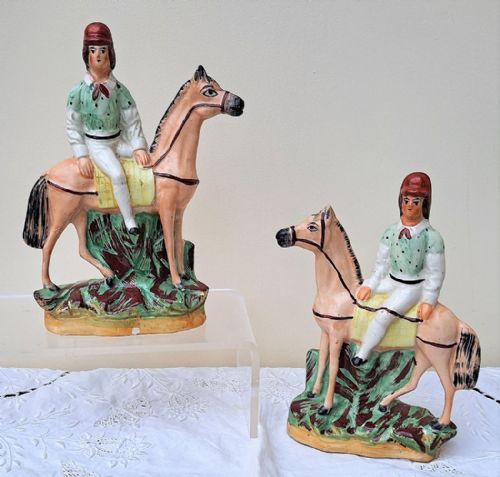
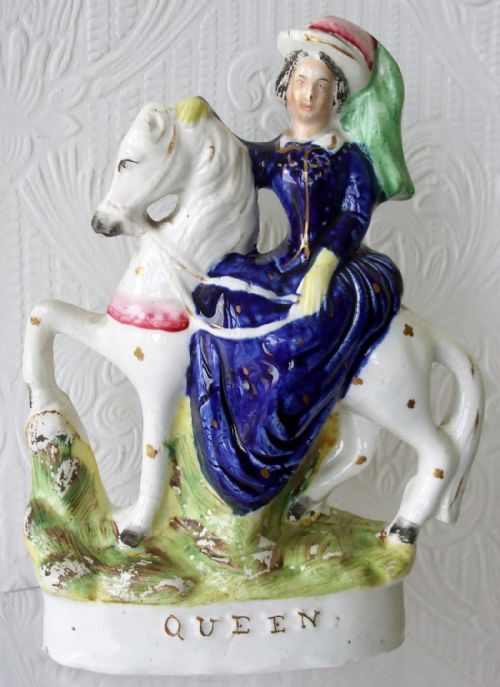
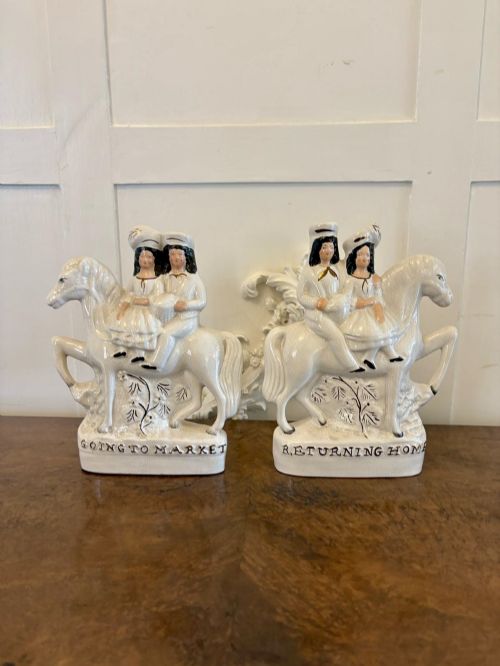
These equestrian ceramic ornaments span Victorian Staffordshire pottery and early Chinese ceramic traditions, depicting figures on horseback. A buyer exploring this search phrase will frequently encounter nineteenth-century Staffordshire flatback figures alongside Tang dynasty and later style examples.
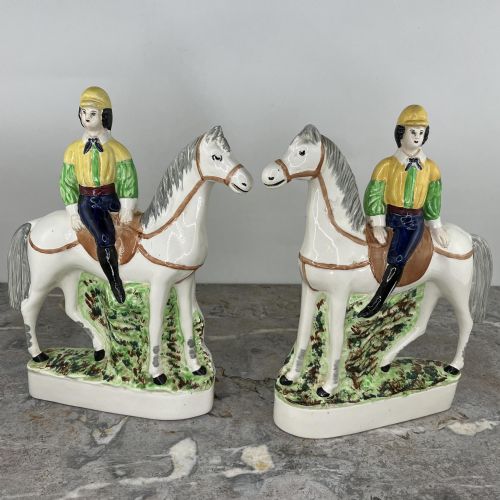
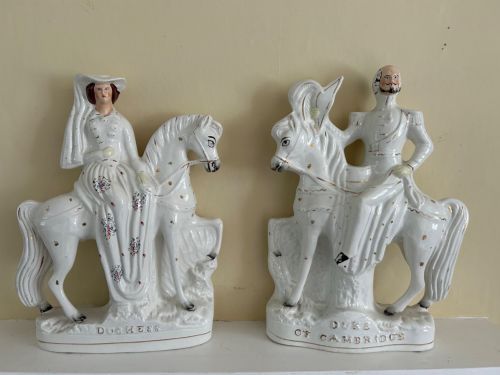
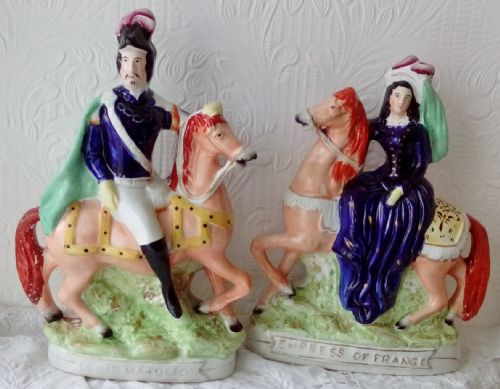
The subjects range from mounted jockeys and Scottish Highlanders to historical figures such as Joan of Arc and Queen Victoria on horseback. Pairs of figures and individual sculptural pieces form the primary selections available in earthenware and terracotta.
Portobello and Staffordshire potteries dominate the English nineteenth-century output, capturing royalty, military figures, and sporting subjects for domestic display. Alongside these, ancient Chinese figures bring glazed terracotta and mineral pigments into the domestic sphere.
Materials and construction methods
Makers shaped these figures from clay, utilising earthenware and terracotta as the primary bodies before applying glazes and enamel paint. Artisans formed many nineteenth-century Staffordshire pieces using press moulds, leaving hollow backs common to flatback figures.
Surface decoration relied on hand-painted mineral pigments and glossy glazes, with Sancai techniques appearing on Chinese Tang dynasty style pieces. Firing methods varied from primitive kilns to controlled oxidation, fixing the glazes and pigments to the ceramic body.
Equestrian Ceramic Ornaments Retail Price Guide 2026
Typical asking prices for equestrian ceramic ornaments among the pieces listed under this phrase on Sellingantiques today, from the lower quarter to the upper quarter. They describe what is for sale here now, not the wider market.
Materials span glazed terracotta, painted earthenware, and ceramic bodies finished with mineral pigments and enamel.
Judging the standard of manufacture
Preservation of the original glaze and pigment layer dictates the visual impact of the piece, particularly where hand-painted details define the subjects. The stability of the ceramic body and the uniformity of the kiln firing also mark the distinction between workshops.
Sampson Smith
The Equestrian Ceramic Ornaments Glossary
- Flatback
- A ceramic figure designed with a finished front and sides while the reverse remains unpainted and flat, intended for display on a mantelpiece.
- Earthenware
- A porous pottery body fired at lower temperatures, commonly used in nineteenth-century Staffordshire figures.
- Sancai
- A three-colour glaze scheme utilising lead-based mineral pigments, typical of Tang dynasty pottery.
- Terracotta
- Unglazed or glazed fired clay of a brownish-red colour, utilised in ancient and regional sculptural figures.
Equestrian Ceramic Ornaments: Frequently Asked Questions
How do I identify a Victorian Staffordshire horse figure?
Victorian Staffordshire horse figures typically present as hollow earthenware press-molded pieces with flat, unpainted backs meant for mantelpiece display.
Decoration relies on hand-painted enamels over a pale glaze, often depicting historical personages, royalty, or military riders.
Where should I display my ceramic horse ornaments?
These ornaments suit mantelpieces, bookshelves, or cabinets where their height and flat backs allow stable placement against a wall.
Keep them away from direct sunlight and areas of high humidity to protect the painted enamels and earthenware bodies.
What is the difference between Staffordshire and Tang dynasty pieces?
Staffordshire pieces date to the nineteenth century and use brightly coloured earthenware with flat backs for domestic display.
Tang dynasty style pieces employ Sancai glazes on terracotta forms, reflecting ancient Chinese burial traditions rather than Victorian parlour taste.
How do I clean antique ceramic figures?
Dust these figures gently with a soft, dry brush to remove surface particles without disturbing fragile enamel paints.
Avoid liquid cleaners or water immersion, as moisture can penetrate porous earthenware and damage old glazes.