
Equestrian and Sporting Antiques
Equestrian and sporting antiques capture the speed of the racecourse and the stillness of the stable through oils, watercolours and prints.
Equestrian and Sporting Antiques
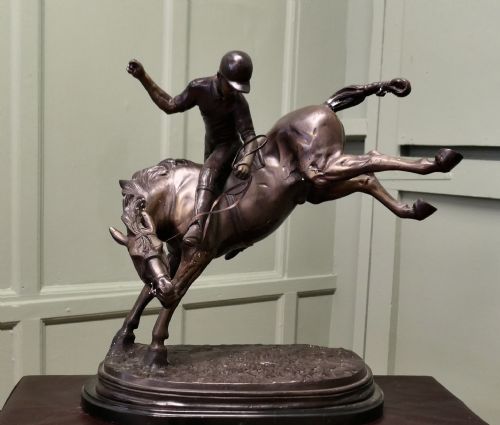
Equestrian and sporting antiques cover a broad landscape of field pursuits, hunting scenes and equine portraiture from the nineteenth and early twentieth centuries. Buyers searching for equestrian and sporting antiques encounter oil paintings on canvas, framed lithographs, aquatints and illustrated volumes.
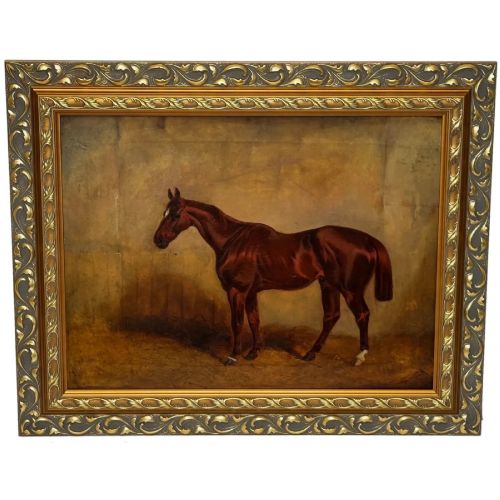
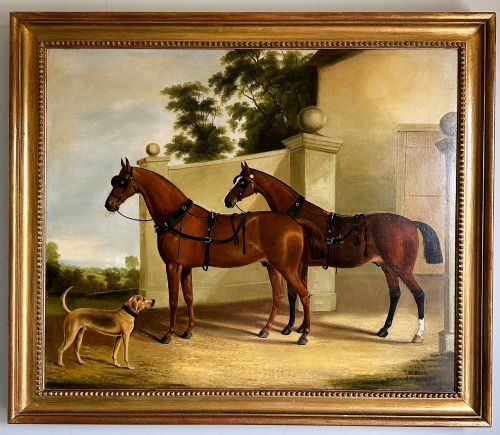
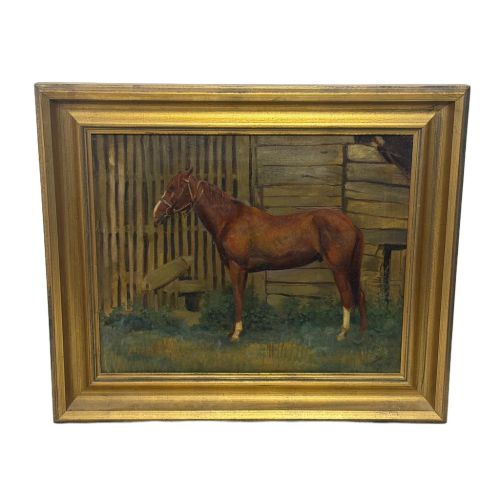
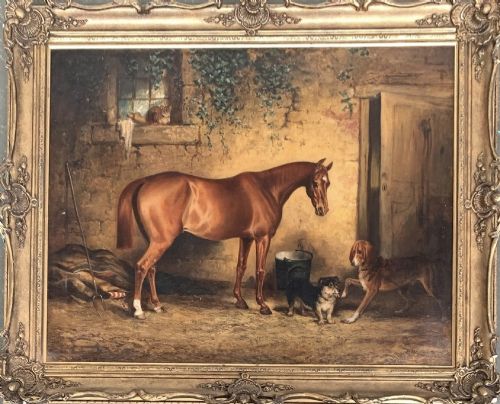
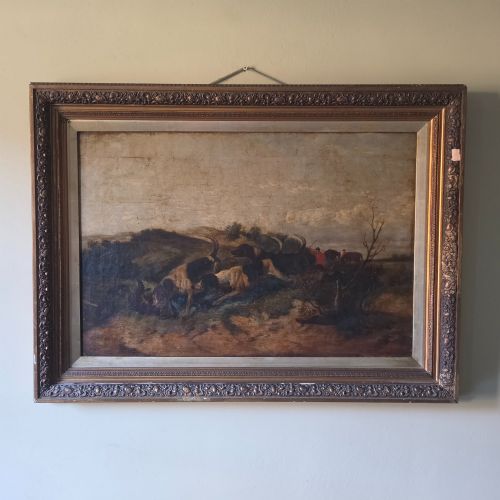
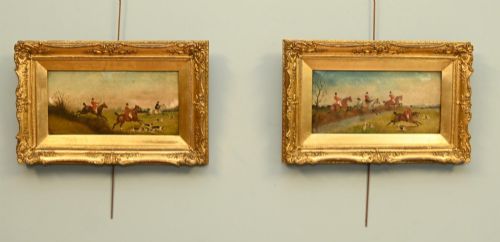
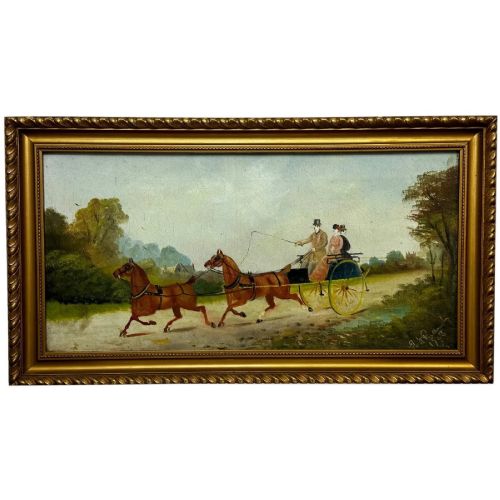
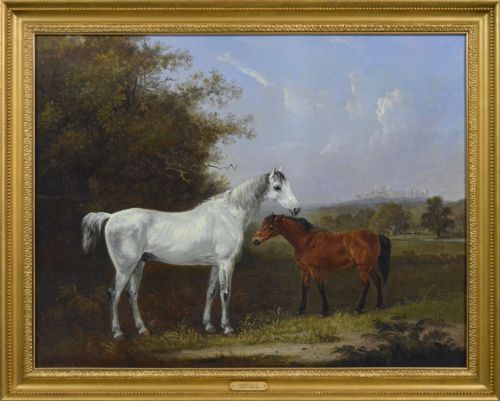
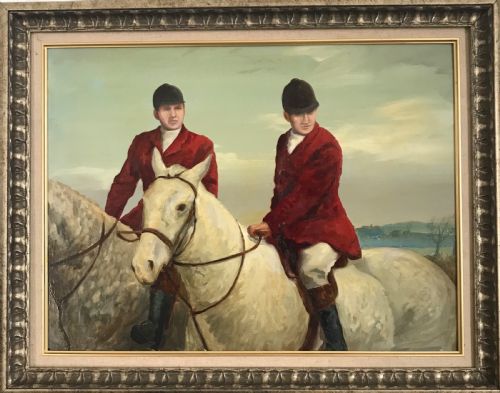
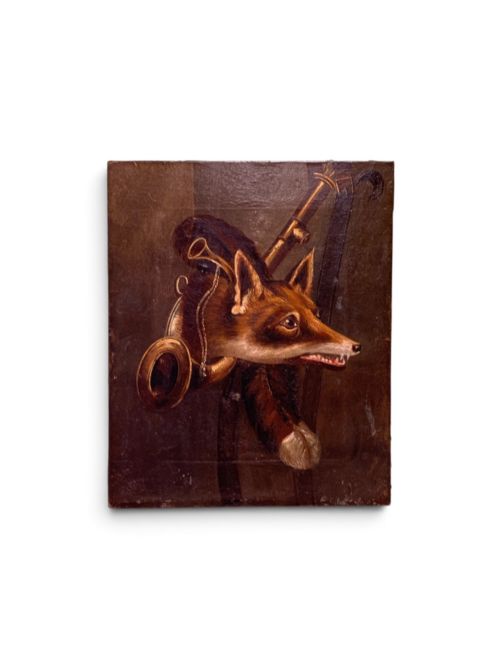
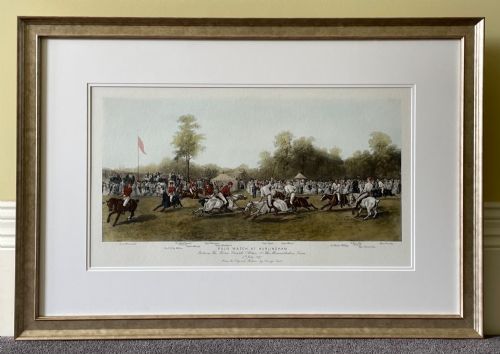
The objects appearing most frequently on this page are nineteenth-century oil paintings and framed prints depicting horses, hounds and coaching scenes. These pieces reflect a period when field sports held a central place in British country life and artistic patronage.
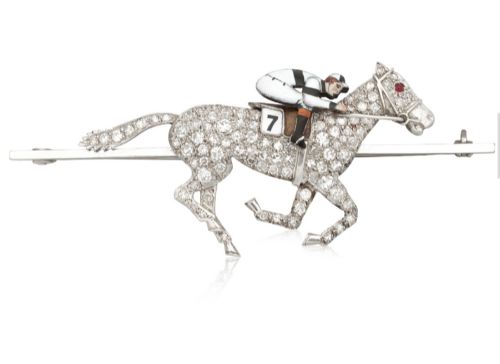
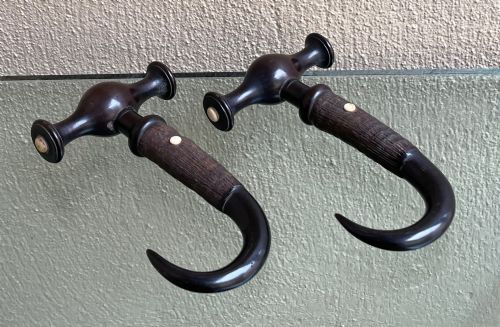
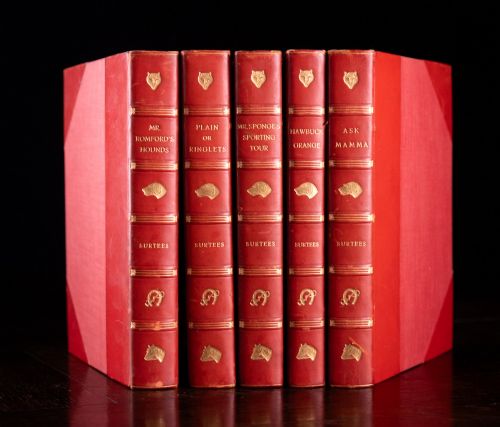
Beyond framed art, the category extends to functional items such as horn boot pulls, silver brooches and signed book sets related to the hunting field. Each piece serves as a record of historical canine and equine subjects, captured by artists working across Victorian and Edwardian periods.
Materials and Technique
Makers utilised oil paint on canvas and wood panels to build rich coats on horses and deep shadows in woodland hunting grounds. Watercolours and chalk drawings on paper reveal a lighter hand, often capturing coaching scenes and polo matches with rapid, assured strokes.
Framing materials such as giltwood, oak and walnut protect the paper and canvas works while adding structural weight appropriate to the period. Lithographs and aquatints relied on engraved metal plates and stones to distribute printed sporting scenes widely across Britain.
Materials range from traditional oil on canvas and walnut frames to horn boot pulls and silver brooches.
Assessing Quality
Quality in these works rests upon the artist's anatomical command of horses and hounds, distinguishing stiff interpretations from those with accurate muscle structure and movement. Superior oil paintings demonstrate subtle handling of light across a bay coat or the damp atmosphere of a river landscape.
The distinction between a standard printed reproduction and a period aquatint or lithograph alters the visual depth of the image. Original watercolours and drawings carry the direct touch of the hand, marking a clear division from mass-produced decorative prints.
Thomas Smythe·Sir Edwin Henry Landseer·George Wright·William Albert Clarke·Henry Barraud·Fred Fitzpatrick·C H Weigall·Ernest Payne·Edward Priestley·Snaffles·Aiken·Thomas Walker Bretland·John Frederick Herring Snr·John Ferneley Senior·Alfred Munnings·Cecil Charles Windsor Aldin·John Arthur Lomax·Albert Clark·Anne Goldthwaite·C W Tuck
The Equestrian and Sporting Antiques Glossary
- Aquatint
- An etching technique that produces tones resembling watercolours through the use of powdered resin. This method allowed printmakers to replicate the soft washes of original sporting paintings.
- Lithograph
- A planographic printing process based on the antipathy of oil and water, utilising limestone or metal plates. It became the primary method for publishing popular nineteenth-century racing and hunting scenes.
- Giltwood
- Wood carved and coated with gold leaf or a metallic gilding composition. It provides the ornate, reflective borders standard on nineteenth-century picture frames.
- Grisette
- A term applied in the evidence to a specific grey mare recorded in regional sporting art. It denotes the recorded identity of an animal subject within a local commission.
Equestrian and Sporting Antiques: Frequently Asked Questions
What subjects appear in these antiques?
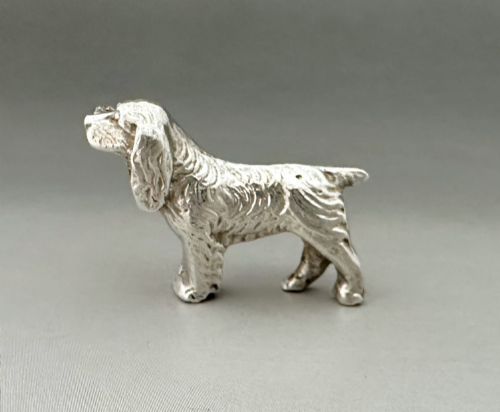
The subjects focus heavily on horses, racehorses, fox hunting, polo matches and coaching scenes across rural landscapes. Dogs, particularly spaniels and hounds, also feature prominently beside their human and equine companions.
Many pieces record named thoroughbreds, historic winners of major stakes, and specific country estates. This documentary aspect makes the works valuable to historians of rural pursuits.
How were these paintings displayed originally?
Paintings of horses and hunting scenes hung in country houses, estate offices and sporting clubs to celebrate prize animals and memorable hunts. Giltwood frames provided an authoritative finish that suited high-status Victorian interiors.
Prints and lithographs offered a more accessible way for enthusiasts to decorate smaller rooms or libraries with scenes of racing and coursing. These were typically framed in simple oak or walnut to suit domestic spaces.
How do I identify the period of a piece?
Period markers include the style of clothing worn by riders and coachmen, the design of vehicles, and the framing materials. Victorian works often feature heavy gilt frames and darker, varnished oil palettes, while Edwardian pieces may show brighter, looser brushwork.
Signatures, dates inscribed on the canvas or paper, and publisher details on prints provide the clearest chronological anchors. Reference to known artist active years narrows the window of creation further.
Are these works original or printed?
The category includes both unique hand-painted oil or watercolour originals and mass-produced or limited-edition prints, lithographs and aquatints. Medium descriptions in listings distinguish between brush-applied paint and ink impressions on paper.
Original paintings show brush texture and canvas weave under close inspection, whereas prints display dot patterns or smooth ink layers. Both forms hold distinct places within the history of sporting art.