




Engraved Vesta Box
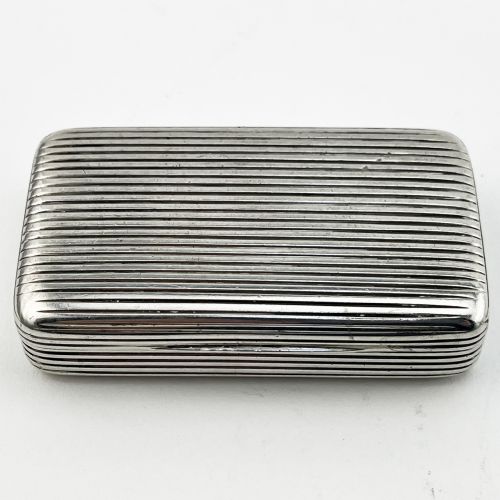
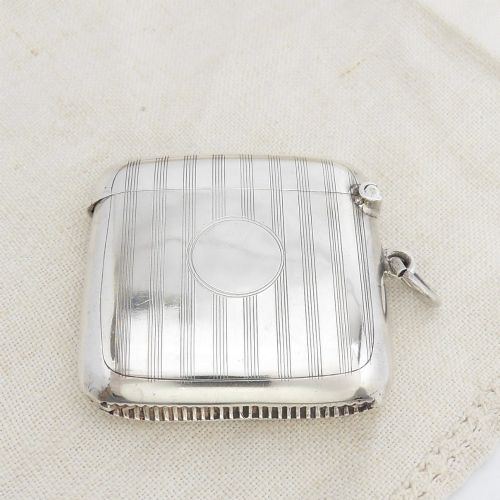
An engraved vesta box is a pocket container for matches, crafted in silver and styled across Georgian, Victorian and Edwardian periods.
Engraved Vesta Box
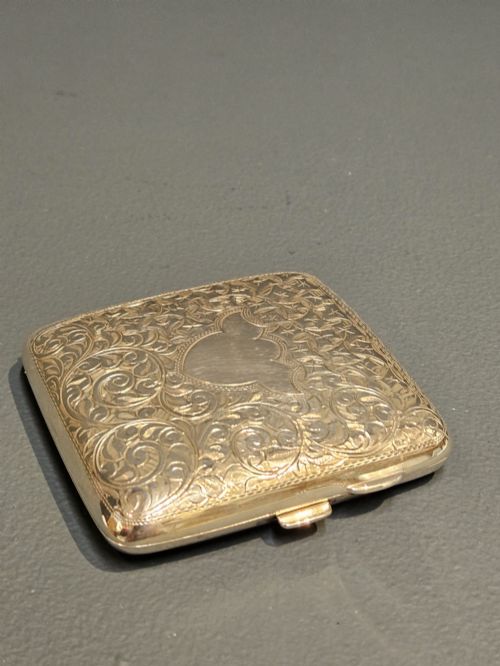
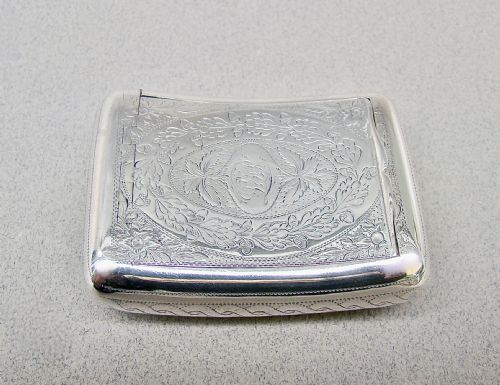
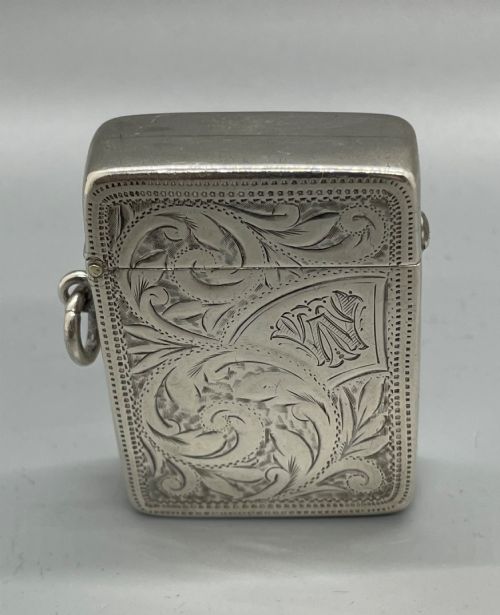
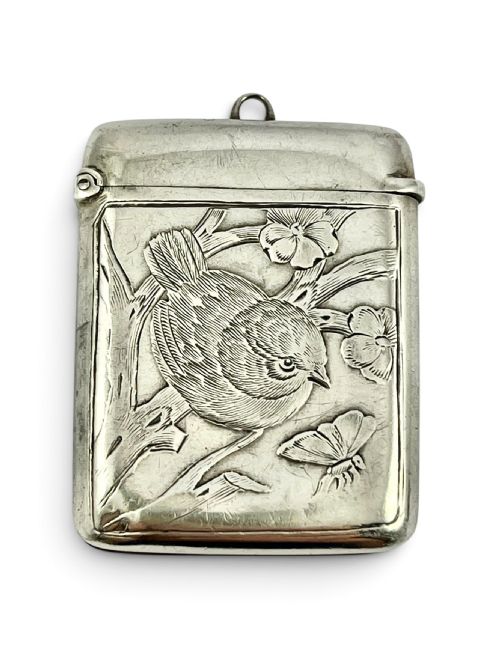
An engraved vesta box serves as a portable container for matches, designed to fit a waistcoat pocket or attach to a watch chain. When exploring this selection, buyers encounter small pocket containers and matchsafes created across the Georgian, Victorian, and Edwardian periods.
The dominant forms on this page include vesta cases alongside related desk accessories, snuff boxes, and watch fobs. Makers utilised sterling silver, glass, and rose gold to produce these functional containers, often incorporating hinged lids and strike plates.
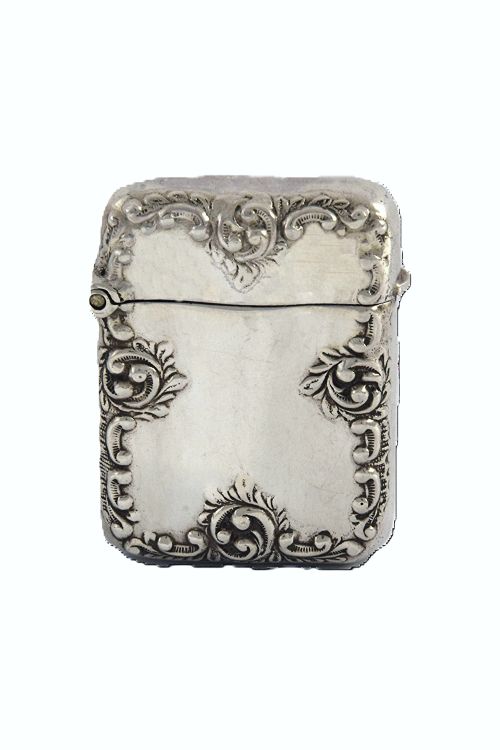
Examples range from standard rectangular matchsafes to novelty items shaped like horseshoes or double-ended cigars. Pieces frequently display detailed surface ornamentation, reflecting the changing tastes from Rococo Revival to Art Deco styles.
Materials and Techniques
Silversmiths constructed these boxes primarily using sterling silver and silver, shaping the metal through stamping, folding, and soldering. Hinges were precisely fitted to secure the lids, and integrated striker bases were incorporated into the lower edges.
Surface decoration was applied using hand engraving techniques such as scrollwork, leaf patterns, and geometric motifs. Makers also utilised rose gold for contrast or detail on specific compartments and mounts.
Engraved Vesta Box Retail Price Guide 2026
Typical asking prices for engraved vesta box among the pieces listed under this phrase on Sellingantiques today, from the lower quarter to the upper quarter. They describe what is for sale here now, not the wider market.
Victorian makers produced trick vestas with secret locking mechanisms to prevent friends from stealing matches.
Distinctions in Quality
Quality rests upon the crispness of the hand engraving and the precision of the mechanical joints. Sharply defined leaf and scroll motifs indicate skilled workmanship by the silversmith.
The condition of the hinge and the snug closure of the lid determine the structural integrity of the container. Maker marks and clear hallmarks contribute to the provenance and documentary value of the piece.
Joseph Willmore·Sampson Mordan & Co
The Engraved Vesta Box Glossary
- Vesta case
- A small pocket container designed to hold matches, fitted with a hinged lid and a striking surface. These items became necessary with the invention of friction matches in the nineteenth century.
- Sterling silver
- An alloy of silver containing ninety-two point five percent pure silver and seven point five percent other metals, usually copper. This standard was widely utilised for British pocket items.
- Hallmark
- A series of official marks stamped on precious metals in Britain to indicate the purity, the assay office, and the year of manufacture. These symbols provide a reliable method for dating items.
- Matchsafe
- An alternative term for a vesta case, used to describe a secure box for carrying matches safely in the pocket. They often feature textured bases for striking the match.
- Sovereign case
- A small circular pocket container made to hold gold sovereign coins securely. They share similar construction methods and maker workshops with vesta boxes.
Engraved Vesta Box: Frequently Asked Questions
What is an engraved vesta box?
An engraved vesta box is a small pocket container designed to hold matches safely. They were widely carried in pockets or attached to watch chains during the Victorian and Edwardian eras.
These pieces are typically made of silver and feature decorative hand engraving, combining practical utility with miniature metalwork art.
How do I use a vesta box?
You open the hinged lid to access the matches stored inside. The rough textured area located on the bottom of the box is used to strike the match.
Modern safety matches can be carried inside, though traditional vesta boxes were designed for the friction matches of the nineteenth century.
How can I tell the age of a silver vesta?
The hallmarks stamped onto the silver provide the exact year of manufacture and the assay office. London, Birmingham, and Chester marks are common on these pieces.
Stylistic details like Rococo Revival scrolls or Art Deco geometric lines also help identify the historical period in which the box was made.