


Engraved Silver Wine Tag
These engraved silver wine tag pieces identify the contents of decanters with style, combining precious metal with sharp lettering to grace the finest dining tables.

Engraved Silver Wine Tag
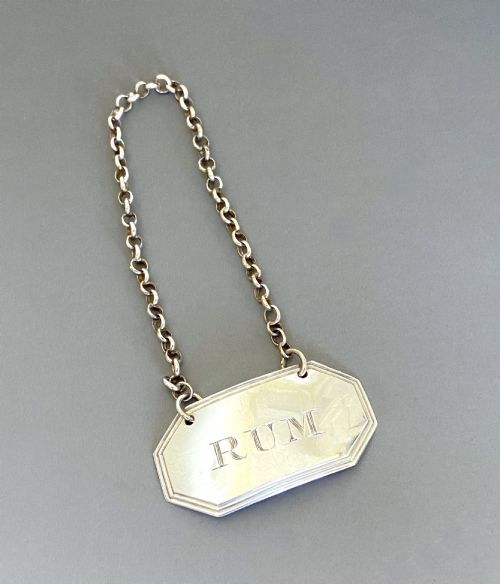
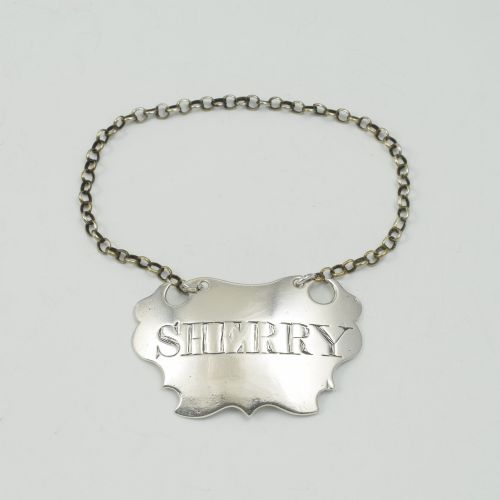
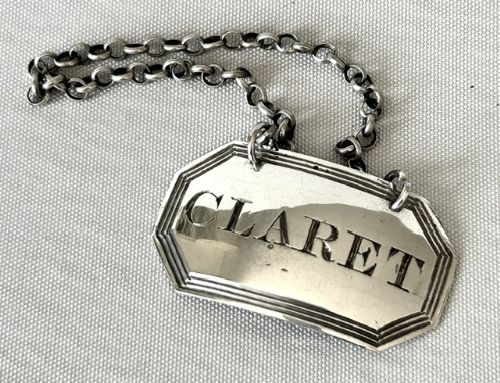
When you search for an engraved silver wine tag, you are looking at small silver identification plaques designed to hang around the necks of decanters and bottles. They tell the drinker whether the vessel holds claret, sherry, rum, madeira, hock, champagne, brandy, or moselle.
The pieces you meet on this page cross several eras, appearing most frequently in Georgian and Victorian forms. They span shapes from simple escutcheons to ornate Rococo Revival designs, sometimes found as matched sets or individual identifiers.
Makers ranged from specialist provincial silversmiths to noted London workshops, reflecting changing social rituals around fine dining and the storage of bottled wine.
Silver and piercing technique
The material seen across these listings is sterling silver, solid silver, or standard silver, worked into thin sheets that could be pierced, embossed, and engraved.
Silversmiths utilised hand engraving to cut the beverage titles into the metal surface, often accentuating the letters with dark infill or decorative borders.
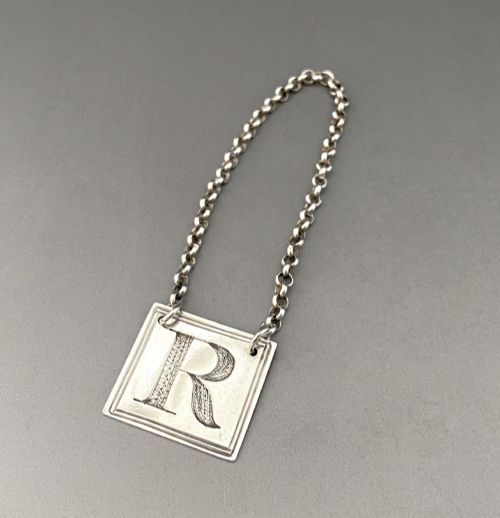
Unusual titles occasionally surface among the standard claret and sherry labels, offering a glimpse into forgotten nineteenth-century tastes.
Lettering and metal weight
Quality in an engraved silver wine tag rests on the crispness of the hand engraving and the gauge of the silver used for the body and suspension chain. Finer examples display deep, legible lettering and well-defined borders rather than worn or shallow stamping.
The standing of the maker also dictates distinction, with pieces bearing marks from notable silversmiths carrying greater craftsmanship in their piercing and finish.
Elizabeth Morley·John Reily·Peter And Anne Bateman
The Engraved Silver Wine Tag Glossary
- Escutcheon
- A shield-shaped plate used frequently for decanter labels. This form provides a traditional surface for engraving names of wines.
- Rococo Revival
- A decorative style featuring asymmetric scrolls, shells, and floral motifs. Pieces in this manner show heavy ornamentation around the central title.
- Sterling silver
- A silver alloy containing a fixed proportion of pure silver and other metals to ensure durability. It forms the primary material for these bottle tickets.
- Provincial silver
- Silverware marked outside the major assay offices such as London. These pieces often originate from regional makers working independently.
Engraved Silver Wine Tag: Frequently Asked Questions
How do I hang a wine tag?
These labels typically suspend from a fine silver chain or collar that loops around the neck of a decanter or wine bottle. The chain allows the plaque to hang freely against the glass without scratching the surface.
When pouring, the tag simply rests in place, identifying the vintage or spirit contained within the vessel.
Are these labels hallmarked?
Many examples carry standard British assay office hallmarks stamped into the reverse or edge of the silver. These marks indicate the standard of the metal and the year of production.
Some provincial pieces display makers' marks unique to specific towns outside London.
How do I clean engraved silver?
Careful application of a gentle silver polish maintains the shine without wearing down the delicate hand engraving. Soft cloths prevent scratching the polished surface of the metal.
Keeping the pieces dry prevents tarnish from accumulating in the recessed letters of the wine names.
Did sets exist originally?
Certain examples appear as matching sets of three or more, designed to label different bottles on the dining table simultaneously. These sets share identical shapes and lettering styles.
Single labels also turn up frequently, reflecting individual purchases made over time.