

Engraved Silver Set
An engraved silver set brings together matching tableware, dressing items or flatware united by hand-chased decoration, prized for formal dining and personal display.
Engraved Silver Set
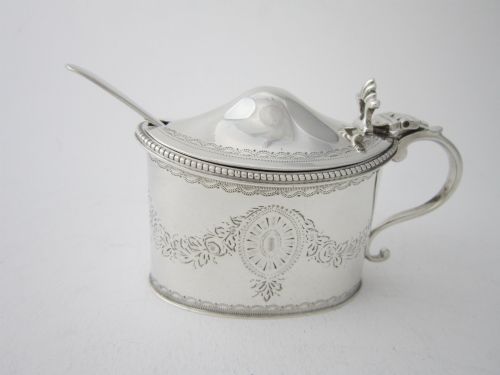
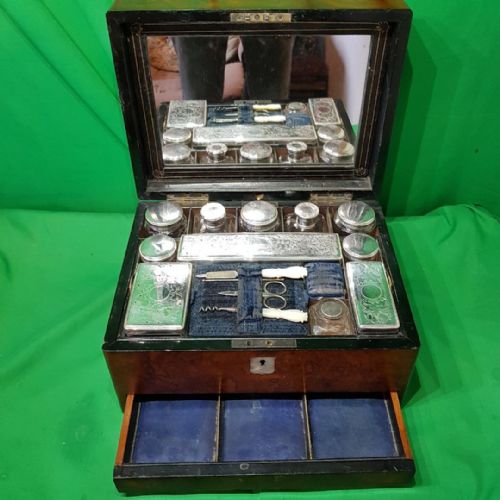
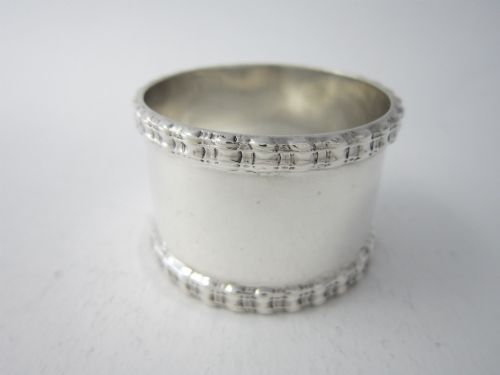
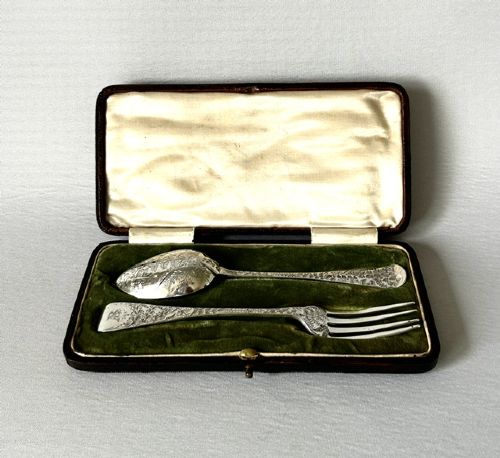
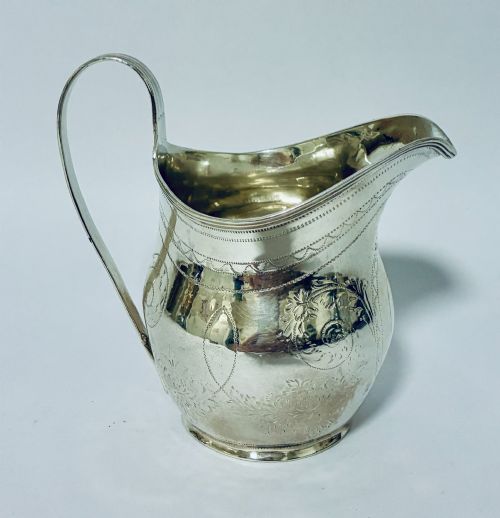
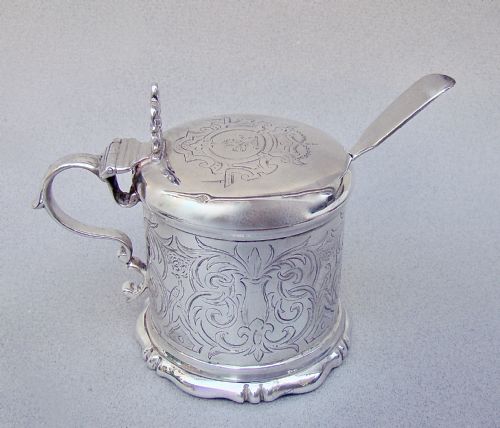
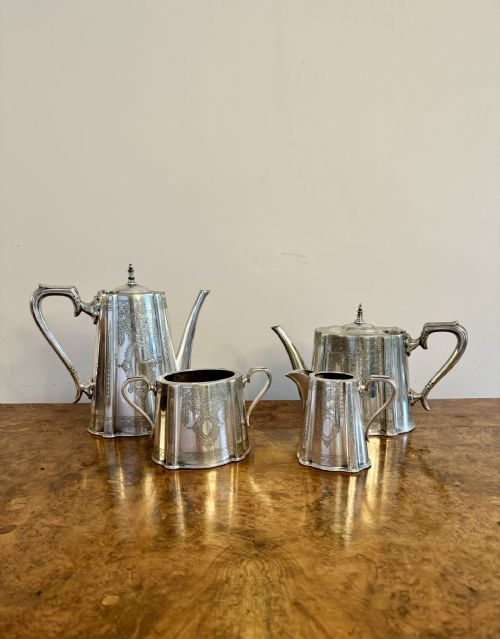
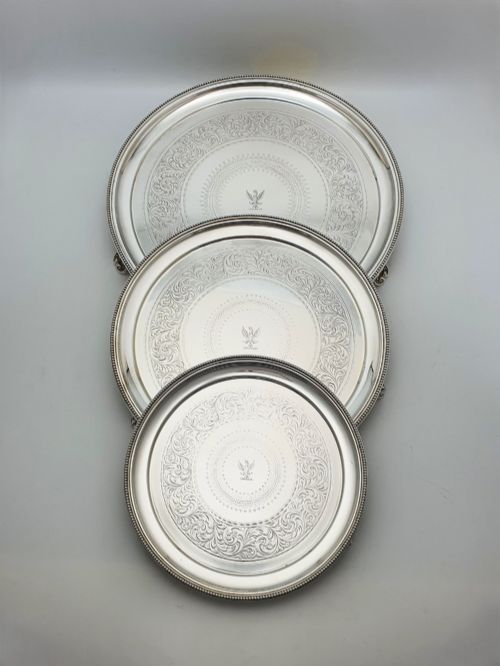
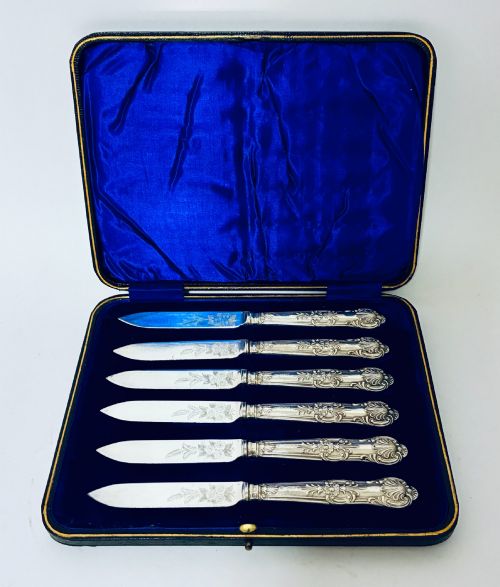
When you search for an engraved silver set, you encounter groupings ranging from boxed christening cutlery and condiment vessels to tea services and napkin rings. These formations represent domestic entertaining and personal grooming from the Georgian, Victorian, and Edwardian eras, produced in matching series.
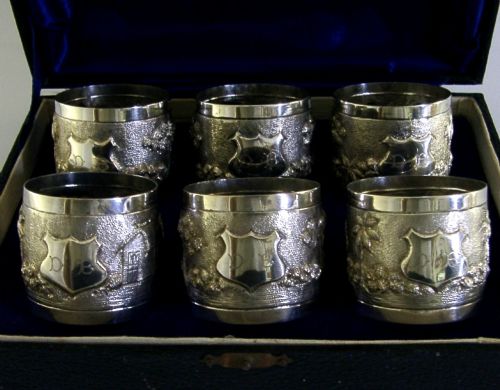
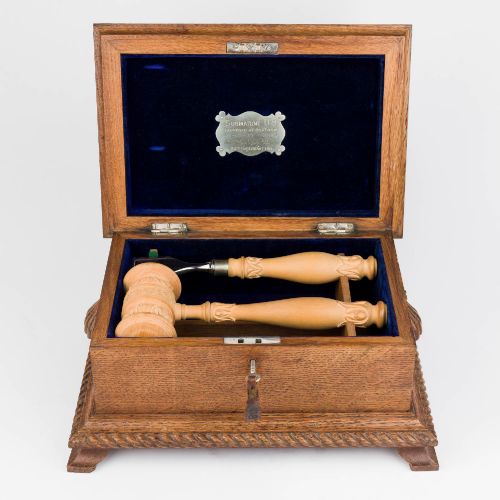
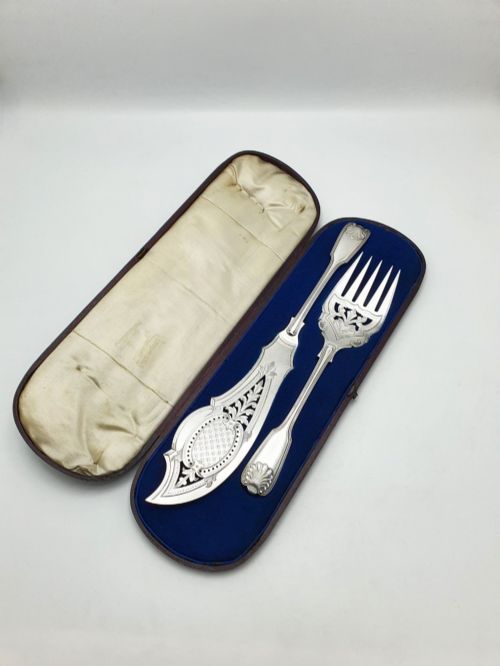
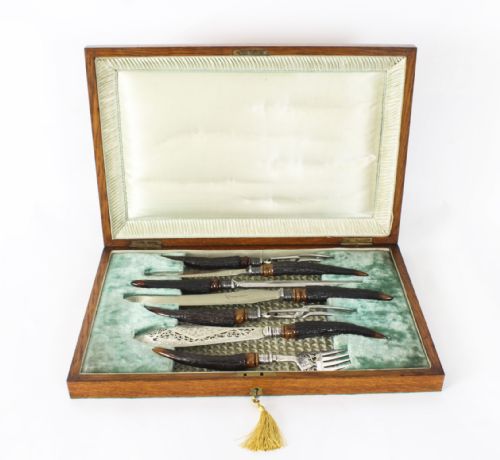
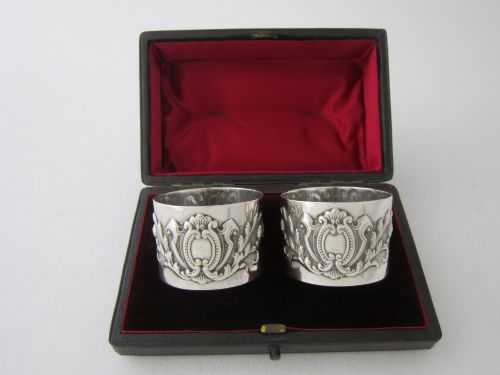
The most frequent examples on this page are matched napkin ring collections and tea sets, often housed in fitted velvet-lined cases. Individual pieces within these groupings share specific surface chasing, monogramming, or floral motifs applied by contemporary silversmiths.
Materials and Construction
The primary material is sterling silver or silver plate over a base metal, frequently accompanied by auxiliary elements like glass, steel knife blades, and velvet or silk case linings. Artisans shaped these components through casting, hammering, and assembly before applying surface decoration.
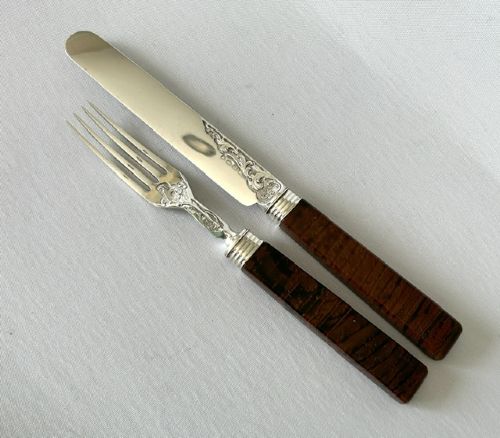
Engraving was executed by hand using gravers to cut linear, floral, or scroll designs into the metal surface. In many sets, supplementary materials such as burr walnut, antler horn, or agate form the handles of serving knives and specialty boxes.
Engraved Silver Set Retail Price Guide 2026
Typical asking prices for engraved silver set among the pieces listed under this phrase on Sellingantiques today, from the lower quarter to the upper quarter. They describe what is for sale here now, not the wider market.
Napkin rings modelled precisely as miniature belt buckles demonstrate Victorian whimsy captured entirely in solid silver.
Distinctions in Standard
Quality separates through the crispness of the hand-chased engraving and the structural integrity of the individual items within the group. Superior sets maintain deep, legible tool marks without excessive wear, alongside robust hinges and well-fitted presentation cases.
The weight of the silver and the uniformity of the matched pieces define the upper tier of production. Maker attribution and complete, undamaged original boxing elevate specific groupings above standard utilitarian domestic wares.
Walker and Hall·Elkington·Charles and George Fox·Bateman
The Engraved Silver Set Glossary
- Sterling silver
- A silver alloy containing 92.5 percent pure silver and 7.5 percent other metals, usually copper, ensuring structural durability for functional domestic objects.
- Silver plate
- A manufacturing method where a thin layer of silver is bonded to a base metal substrate, such as copper or nickel brass, common in large serving items.
- Cased set
- A collection of matching items housed in a fitted, velvet or silk-lined wooden box designed for secure storage and presentation.
- Berry spoon
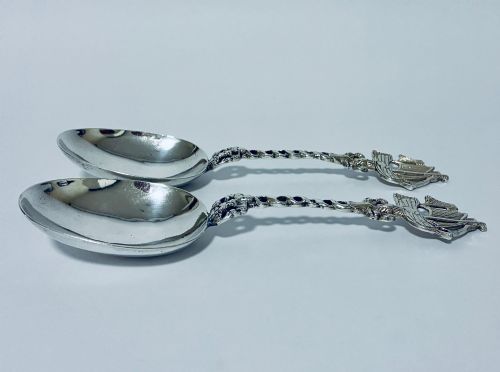
- A large serving spoon, often dating from the Georgian or Victorian periods, featuring fruit repoussé work and engraved detailing added to the bowl and handle.
- Hallmark
- An official stamp applied to precious metals indicating the standard of purity, the assay office, and the date letter corresponding to the year of manufacture.
Engraved Silver Set: Frequently Asked Questions
What is included in an engraved silver set?
These collections comprise matching groups of functional tableware or dressing items, such as tea pots, napkin rings, salt cellars, and flatware. Each component shares a unified design scheme executed in silver or silver plate.
Many sets include fitted presentation cases lined in velvet or silk to protect the items when not in active use on the dining table or vanity.
How do I identify the date of a silver set?
Dating relies primarily upon the hallmarks stamped directly into the silver metal, which indicate the assay office and year of manufacture through specific alphabetical date letters.
Stylistic indicators, such as Victorian floral chasing or Edwardian restrained forms, further clarify the period when hallmarks are absent or when examining plated items.
Were these sets used daily or saved for display?
Original function varied by the type of set, with tea services, salt cellars, and flatware deployed during formal meals and entertaining. Christening sets and travelling vanity collections served specific ceremonial or personal roles.
Many groupings were preserved in fitted boxes from the date of purchase, reducing the wear typical of everyday domestic service.
How should I care for antique silver sets?
Maintenance requires gentle cleaning with specialised silver polishes to remove tarnish without abrading the hand-engraved details or thin silver plate layers. Avoiding harsh chemical dips preserves the original patination.
Storage in dry, tarnish-resistant environments or original lined cases prevents unnecessary oxidation and protects fragile elements like glass inserts or organic handles.