




Engraved Photo Locket
An engraved photo locket holds miniature portraits close to the heart, combining personal history with the intricate craftsmanship of past centuries.
Engraved Photo Locket
When searching for an engraved photo locket, buyers encounter small hinged pendants designed to house miniature portraits, locks of hair or keepsakes. The pieces on this page span several eras, running from the Georgian and Victorian periods through the Edwardian years and into the mid-twentieth century.
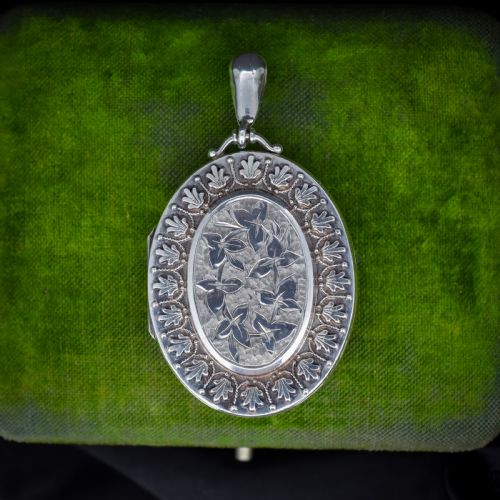
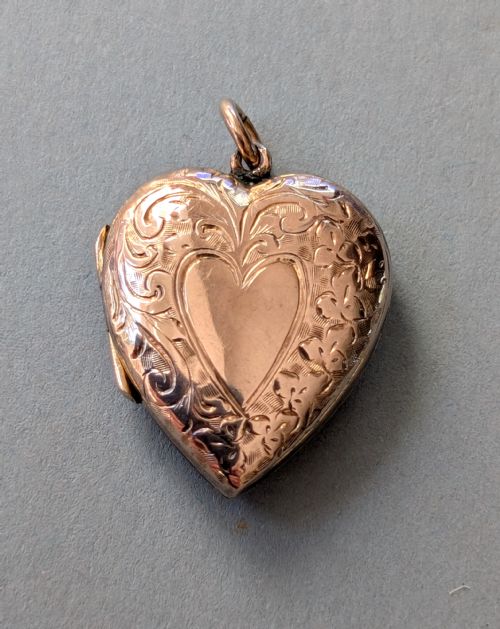
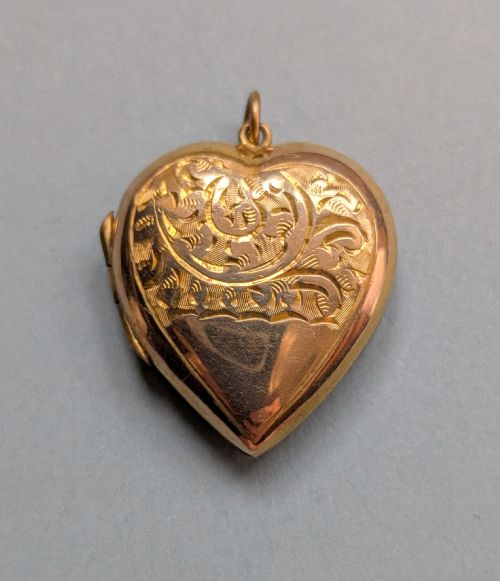
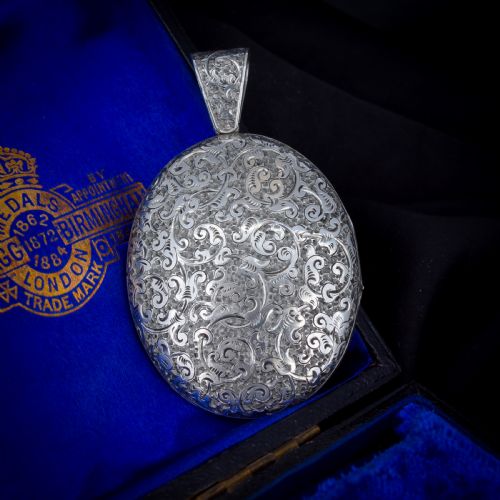
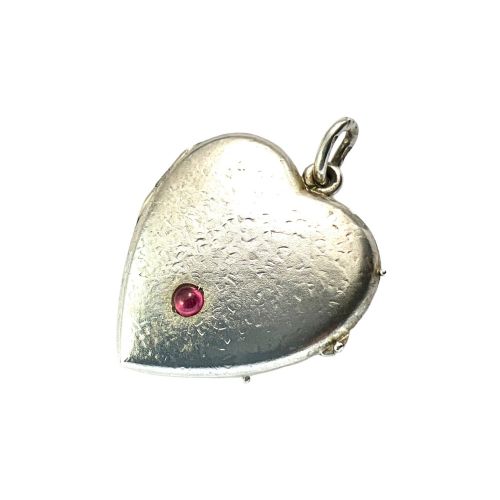
The most common examples met here are sterling silver or gold lockets from the Victorian and Edwardian periods, frequently shaped as ovals or hearts. These items often function as pendants or necklaces, suspended from matching chains.
Makers shaped these small containers into diverse forms, incorporating stylistic movements such as the Aesthetic Period and French Victorian designs. Buyers find pieces ranging from simple geometric shapes to ornate representations of birds, flowers and swallows.
How they were made
Goldsmiths and silversmiths utilised sterling silver, solid gold, and gold back and front construction, where a thin layer of gold is bonded to a base metal core. This method allowed makers to produce durable pieces with the appearance of solid gold.
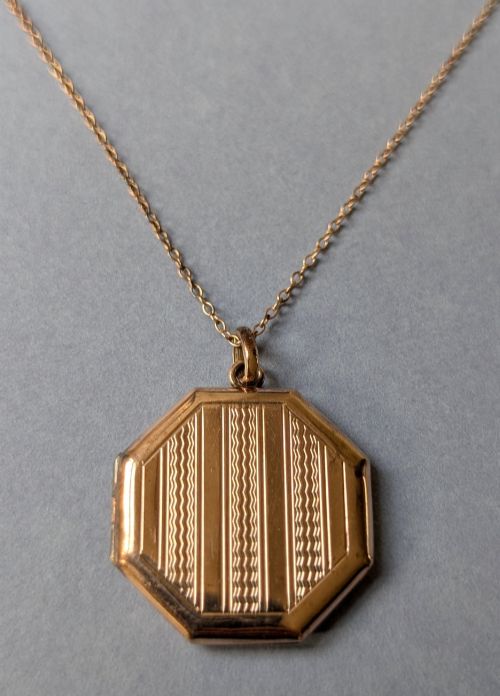
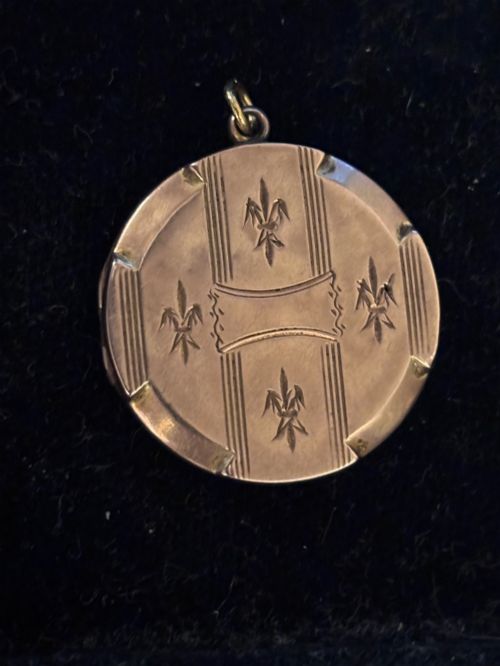
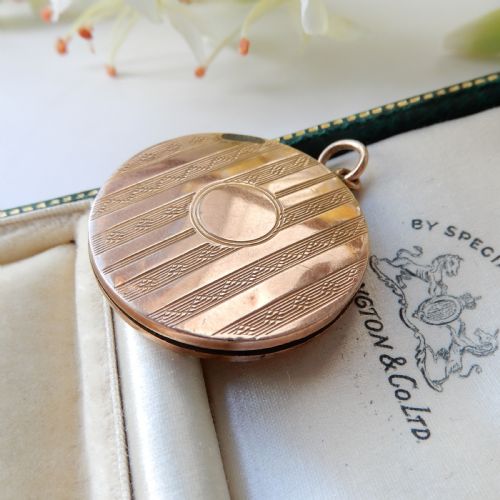
Decoration relied on hand engraving, engine-turned detail and chasing, producing foliate motifs, flower baskets and geometric patterns across the metal surface. Gems such as rubies, emeralds, sapphires, diamonds, pearls and turquoise were occasionally flush-set or mounted in star motifs to accent the design.
Listings feature sterling silver, 9ct gold, 18ct gold, and gold back and front constructions across Victorian, Edwardian, Georgian, and mid-twentieth century eras.
What varies in quality
Quality rests upon the depth and clarity of the hand engraving and the structural integrity of the tiny hinges and internal photo frames. Finer pieces display crisp, sharply defined botanical or avian motifs cut deeply into the metal rather than shallow machine stamping.
Material choice and construction methods also define the tier of a piece, separating solid high-carat gold or heavy sterling silver items from lighter gold back and front versions. The presence of well-preserved interior glass frames, original bezels and secure catches elevates a piece within its category.
The Engraved Photo Locket Glossary
- Gold back and front
- A method of construction where outer plates of solid gold are fused to a base metal inner core to provide strength and affordability. This technique was common in Victorian and Edwardian locket production.
- Engine-turned
- A decorative technique involving precise geometric patterns mechanically engraved into metal using a rose engine lathe. This creates repetitive symmetrical textures found on Georgian and Victorian pieces.
- Mourning locket
- A piece of jewellery created to commemorate a deceased person, frequently containing braided human hair or a photograph behind glass. These items often incorporated dark enamel or pearls.
- Aesthetic Period
- A late nineteenth century design movement that rejected heavy industrial ornamentation in favour of asymmetrical motifs inspired by nature and Japanese art. Swallows and floral branches frequently appear on silver pieces from this time.
Engraved Photo Locket: Frequently Asked Questions
How do I open an old locket?
Many lockets open via a small thumbnail notch along the side seam, requiring a gentle fingernail pressure to release the internal spring catch.
Older or handmade pieces might lack a spring mechanism, relying instead on a snug friction fit that opens by carefully prying the cover apart.
Can I put modern photos inside?
Modern photographs can be trimmed to fit the internal bezels or paper frames, though the exact dimensions vary by individual piece.
Original paper inserts or celluloid covers are sometimes preserved inside, requiring care when inserting contemporary pictures.
What does gold back and front mean?
This term indicates that the exterior visible surfaces are made of solid gold, while the interior components utilise a base metal for structural reinforcement.
This technique kept the weight and cost manageable while maintaining a precious metal finish on the outside.
How do I tell Victorian from Edwardian pieces?
Victorian items often display heavier ornamentation, dark enamelling, deep hand engraving and motifs associated with sentiment or mourning.
Edwardian pieces generally exhibit lighter, airier designs with delicate openwork, platinum accents and brighter diamond or gemstone settings.