

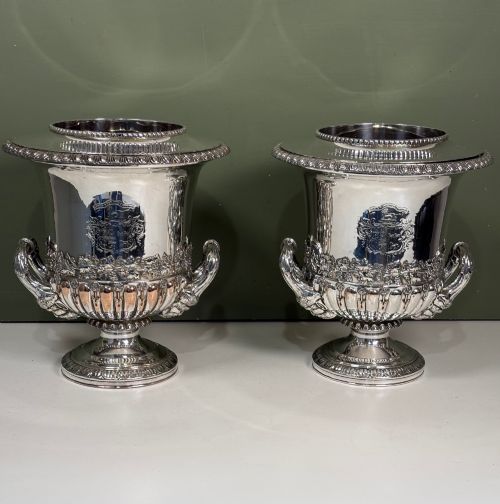


Engraved Metal Table
An engraved metal table brings heavy brass, copper and silver plate into a room, catching the light across elaborate chased patterns.
Engraved Metal Table
An engraved metal table combines a rigid metal top with a supporting frame, often featuring surface decoration influenced by Islamic, Victorian or continental design. When searching for an engraved metal table, buyers encounter folding occasional stands, circular trays set upon separate bases, and mixed metal compositions from the nineteenth and early twentieth centuries.
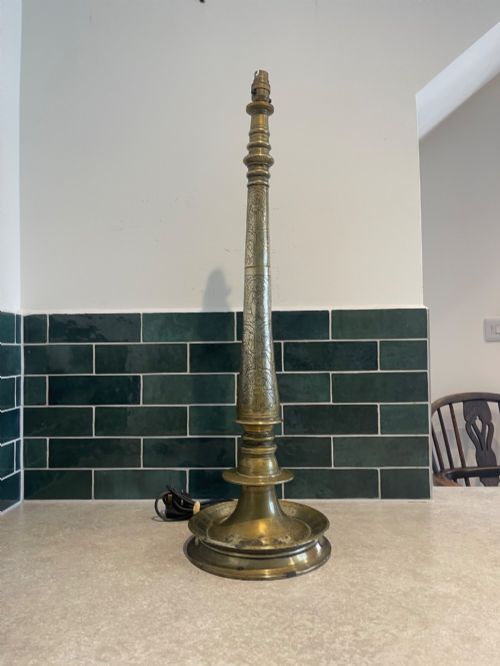
The materials span solid brass, silver plate, copper, and mixed metals, sometimes pairing an engraved copper tray with a brass or iron stand. Origins stretch from British workshops to Indian and Persian production, reflecting global trade and aesthetic revivals across the Victorian and Edwardian eras.
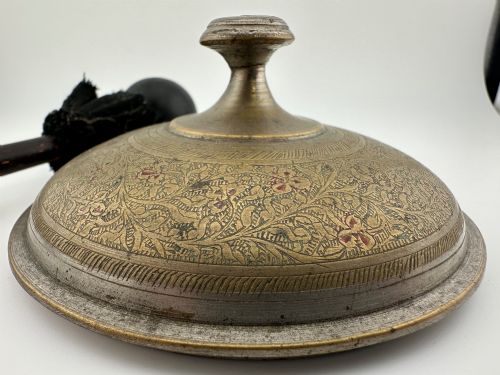
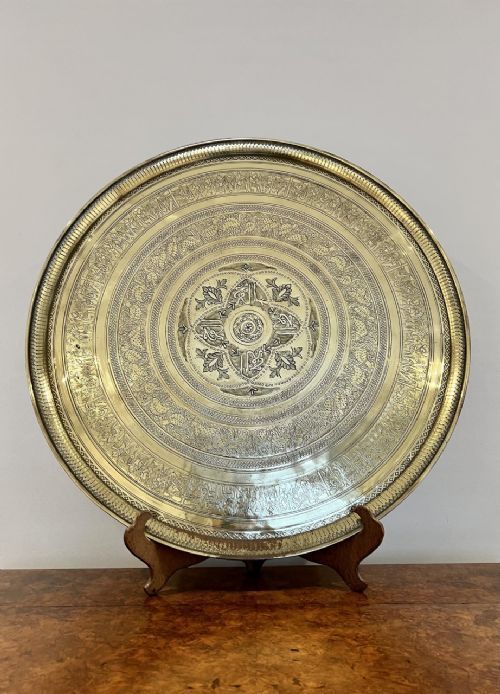
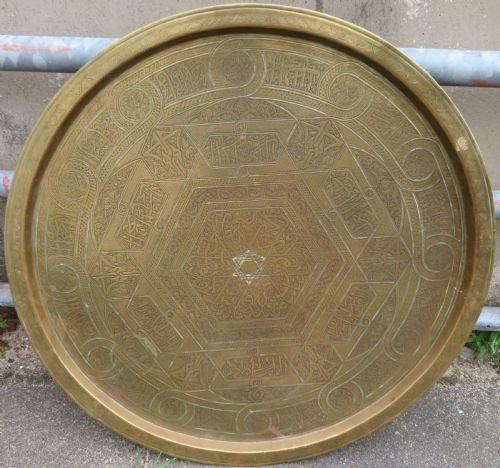
Forms vary from heavy pedestal tea tables to occasional stands with removable trays intended for serving or display. The chasing and engraving on the metal surfaces define the visual weight of each piece, ranging from dense foliate scrolls to geometric Islamic motifs.
How they were made
Metals such as brass, copper, and silver plate were beaten, cast, or rolled into sheet form before receiving hand-chased or engraved surface decoration. Artisans utilised sharp chisels and hammers to cut intricate lines into the metal, frequently blackening the recessed grooves to accentuate the pattern against the polished background.
Mixed metal constructions combined different alloys, mounting copper insets within brass frames or plating base metals with silver. Wooden elements occasionally provided structural support for heavy metal tops or served as separate stands for removable trays.
Engraved Metal Table Retail Price Guide 2026
Typical asking prices for engraved metal table among the pieces listed under this phrase on Sellingantiques today, from the lower quarter to the upper quarter. They describe what is for sale here now, not the wider market.
Listings feature items dated across the nineteenth and twentieth centuries, spanning periods from eighteen-hundred to nineteen-fifty.
What varies in quality
The depth and precision of the hand-engraving separate standard production from superior craftsmanship, with sharper lines and deeper chasing showing greater artistic control. The gauge of the metal itself dictates durability, as heavier brass and thick silver plate resist denting and maintain structural integrity over decades of use.
Integration between the tray and the base indicates overall quality, ensuring the top sits level without rocking or sliding. The purity of the metal alloys and the preservation of original plating or patination also influence how the surface ages and reflects light.
Walker & Hall Sheffield·Mathias Bauerle
The Engraved Metal Table Glossary
- Chasing
- A metalsmithing technique where designs are hammered into the front of a metal object rather than cut away. This method moves the metal without removing it, creating raised surface relief.
- Silver Plate
- A thin layer of silver applied to a base metal such as copper or nickel silver. Old Sheffield Plate and later electroplating methods created these durable domestic surfaces.
- Mixed Metal
- An object constructed from two or more distinct metallic materials or alloys, such as copper paired with brass. Makers utilised this contrast to highlight different decorative zones.
- Mamluk Revival
- A nineteenth-century design style inspired by medieval Islamic metalwork from Egypt and Syria. Pieces feature dense geometric strapwork and inlaid calligraphy.
- Occasional Table
- A small, movable table designed for specific, intermittent use rather than central dining. These forms often incorporate removable trays as tabletops.
Engraved Metal Table: Frequently Asked Questions
How do I clean an engraved metal table?
Dust the surface regularly with a soft cloth to prevent particulate buildup in the engraved grooves. Avoid harsh chemical dips that strip away desirable historical patination from brass and copper.
Apply mild, non-abrasive metal cleaners only when necessary, working gently along the direction of the original chasing. Ensure all residue is completely removed from the recesses to prevent long-term discoloration.
Are these tables sturdy enough for daily use?
Most occasional stands and tray tables are built to handle normal placement of lamps, books, or drinks. Removable tops require careful handling when lifting or repositioning.
Heavier brass and mixed metal versions offer solid stability, though folding bases should be checked periodically for joint security. Protect delicate silver-plated surfaces from abrasive objects to maintain the finish.
How can I tell the period of the metal?
Examine the mounting hardware, construction seams, and wear patterns on the underside of the top and base. Hand-cut screws and heavy gauge metals often point to nineteenth-century production.
Stylistic cues such as Art Nouveau curves or Mamluk revival geometry align with specific manufacturing decades between eighteen-hundred and nineteen-fifty. Compare the depth of the engraving with authenticated pieces from similar workshops.
What is the difference between brass and silver plate?
Brass is a solid alloy of copper and zinc displaying a warm golden tone throughout the entire material. Silver plate consists of a thin coating of silver over a different base metal.
Over time, brass develops a dark natural oxidation if left unpolished, whereas silver plate may reveal the underlying base metal as the outer layer wears thin through generations of cleaning.