


Engraved Glass Bowl
These engraved glass bowls span Georgian drinking vessels to Edwardian trinket boxes, offering tactile history and decorative charm for any table.
Engraved Glass Bowl
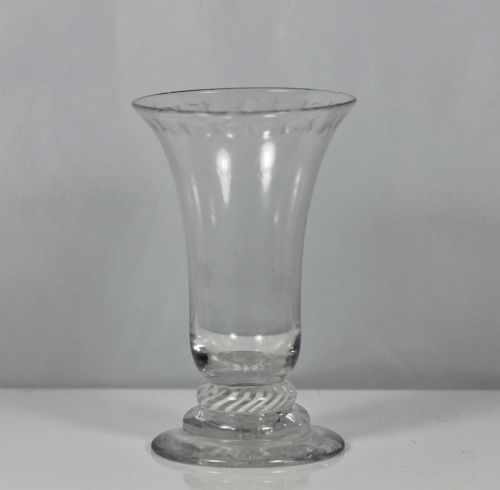
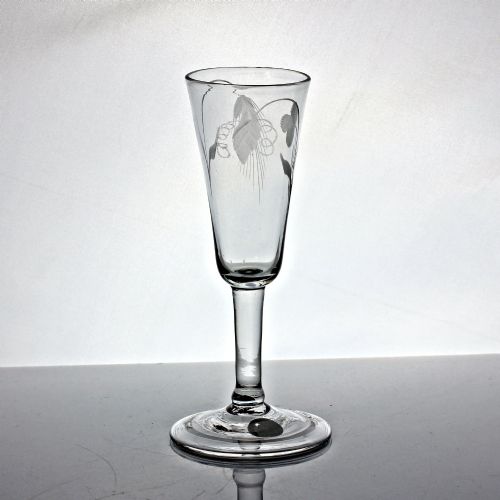
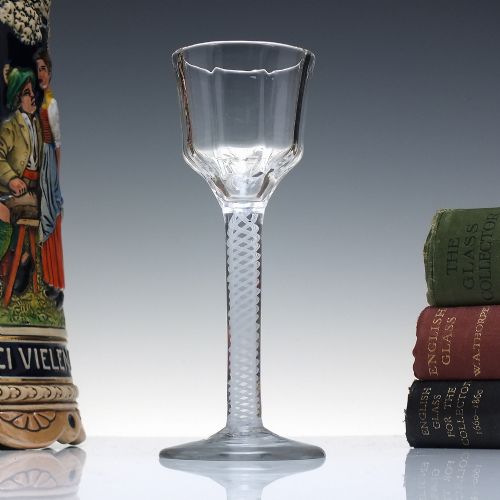
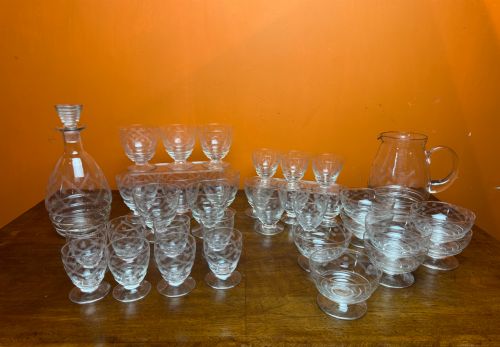
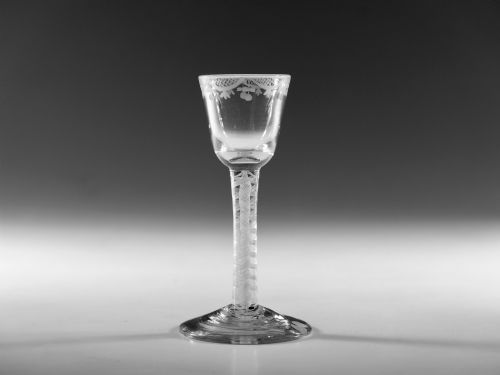
When you search for an engraved glass bowl, you encounter a varied assortment of domestic and decorative glassware spanning several centuries. The selection ranges from delicate Georgian stemware with decorated bowls to substantial Victorian rimmers and twentieth-century centrepiece vessels.
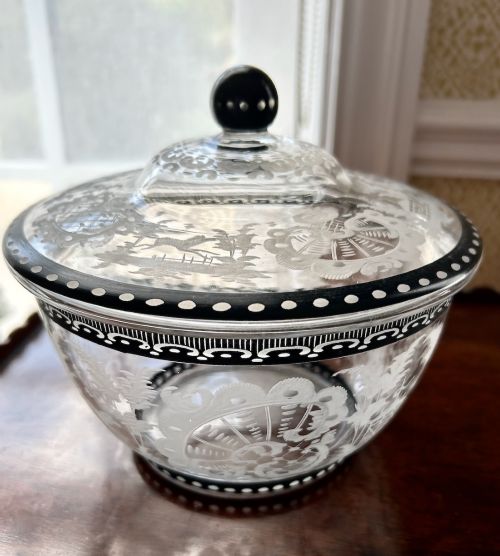
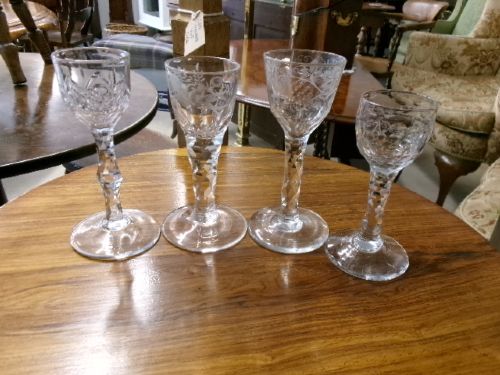
The pieces on this page appear in various forms, including drinking glasses, finger bowls, tazzas, and decorative bowls. Georgian examples lean towards tavern and dining use with balustroid or air twist stems, whilst later Victorian and Edwardian pieces encompass covered boxes and heavily embellished vessels.
Origins stretch across English, Irish, and Bohemian workshops, reflecting distinct regional tastes in glass manufacture and decoration. Buyers will find both individual collectors' items and larger matched suites suited for display or careful daily use.
What varies in quality
Quality in these glass objects rests upon the clarity of the metal and the crispness of the wheel work. Superior pieces exhibit brilliant refraction with minimal bubbles or impurities in the glass body.
The depth and detail of the engraving dictate the level of craftsmanship, with finer lines and well-balanced motifs marking out superior workshops. Additionally, the stability of the foot and the symmetry of the bowl reveal the skill of the original blower.
Listings span the eighteenth, nineteenth, and early twentieth centuries, featuring lead glass, clear crystal, enamel, and cut glass forms.
The Engraved Glass Bowl Glossary
- Lead Crystal
- A heavy, brilliant glass containing lead oxide that increases the refractive index and weight. This material allows for deeper, sharper cutting and engraving.
- Air Twist
- A decorative stem enclosing spiral threads of air formed during the glassmaking process. It is commonly found on eighteenth-century drinking vessels.
- Opaque Twist
- A stem containing white or coloured enamel glass threads twisted within the clear metal. These are characteristic of mid-eighteenth-century English glass.
- Rinser
- A specialised bowl used at the table to wash wine glasses between courses. They often feature fluted rims designed to support the stem.
- Tazza
- A low pedestal plate or shallow bowl used for serving fruit or sweetmeats. Victorian examples frequently showcase elaborate etched decoration.
Engraved Glass Bowl: Frequently Asked Questions
How do I clean an antique engraved glass bowl?
Wash these pieces gently by hand using warm water and mild detergent. Avoid sudden temperature changes to protect the old glass.
Dry them immediately with a lint-free cloth to maintain the clarity of the lead crystal and prevent water spots.
Can I use these antique glasses for daily dining?
Many sturdy Victorian and Edwardian drinking glasses remain functional for occasional celebratory use. Hand washing is essential after every use.
Keep delicate eighteenth-century stemware strictly for display due to the fragile nature of the thin lead glass.
How can I tell if an engraving is old?
Authentic period engraving shows microscopic wear under magnification and a soft, worn polish inside the cuts. Modern reproductions often feel sharp and lack the gentle softening of age.
The overall wear on the base of the foot should match the estimated age of the vessel.