




Engraved Drinking Vessel
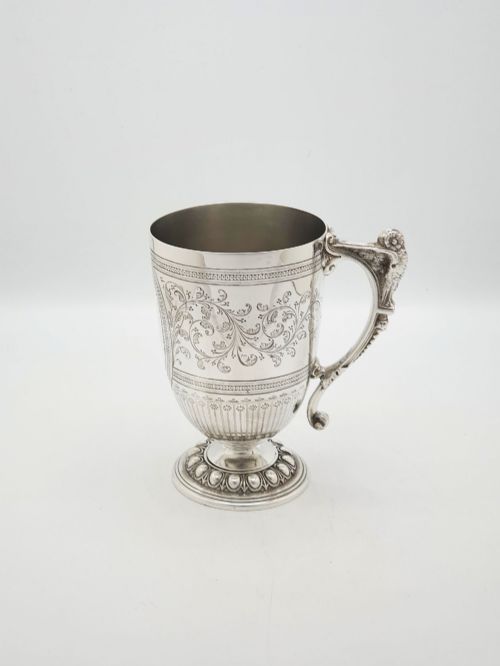
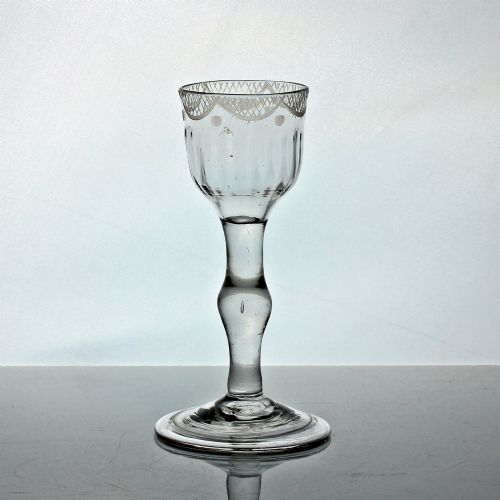
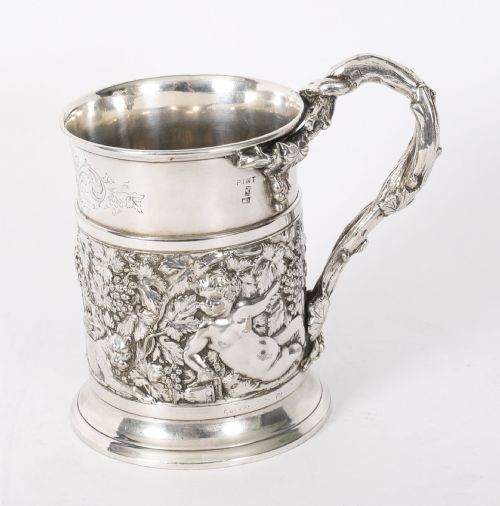
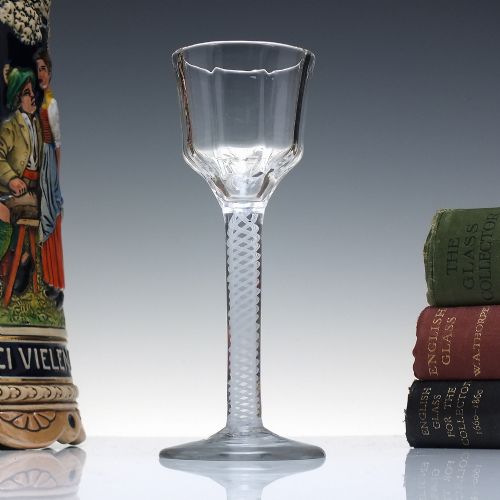
These engraved drinking vessel examples bring together Georgian glass and Victorian silver, offering tactile history for daily use.
Engraved Drinking Vessel
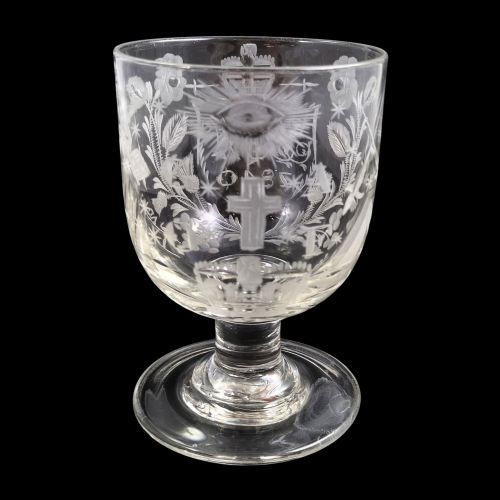
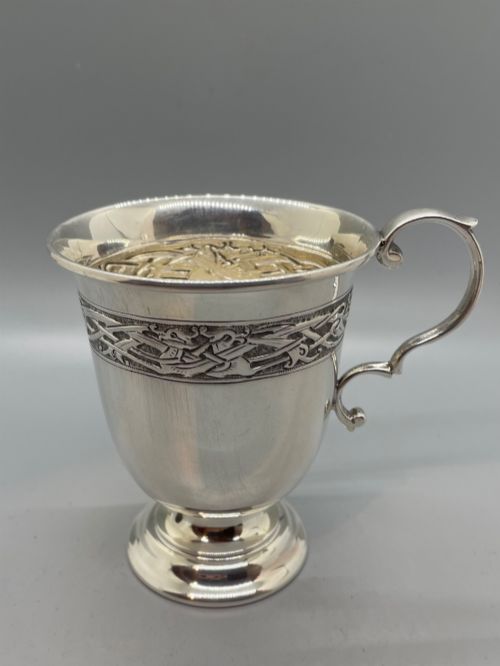
An engraved drinking vessel spans centuries of social ritual, crossing from humble horn beakers to grand Georgian rummers and sterling silver christening mugs. Buyers searching for an engraved drinking vessel encounter diverse forms shaped by changing social habits across the Georgian, Victorian, and Edwardian periods.
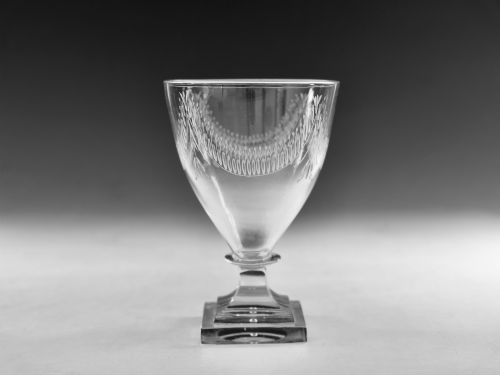
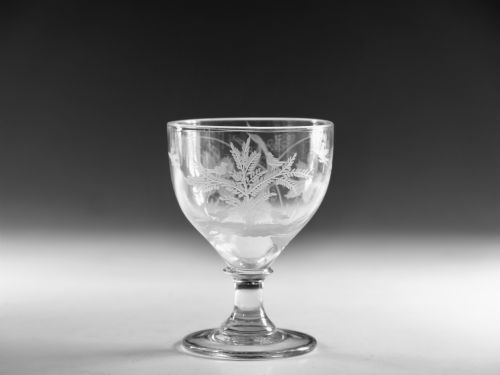
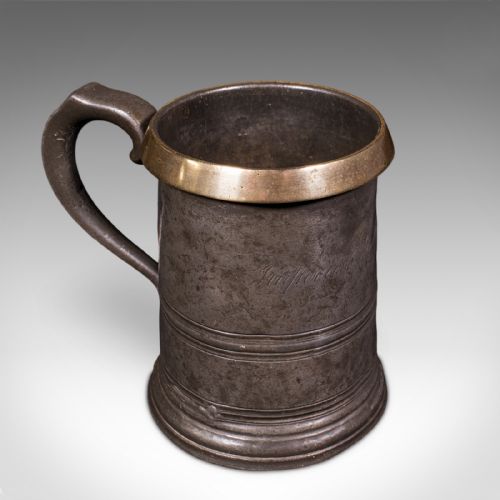
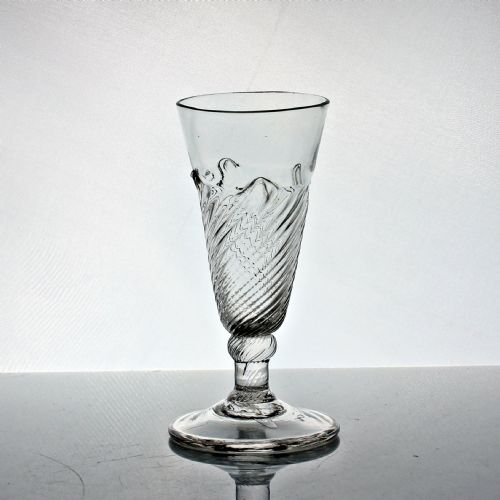
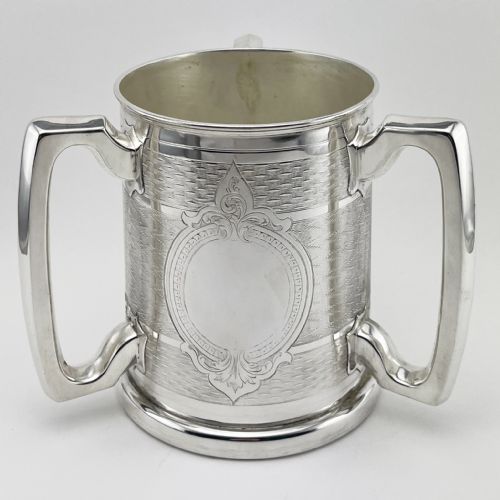
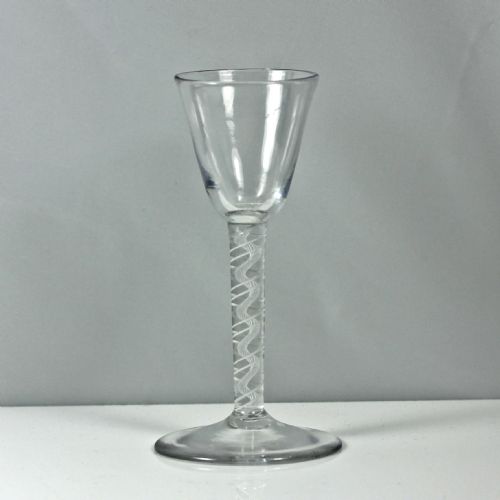
Glass examples predominate on this page, led by rummers, ale glasses, and wine glasses featuring wheel-engraved motifs such as hops, barley, monograms, and swags. Alongside these glassware pieces sit silver-plated tankards, pewter public house vessels, and sterling silver beakers.
Origins stretch from English workshops to Bohemian glasshouses and Anglo-Indian silversmiths, capturing both vernacular folk art and refined dining traditions. The range offers functional drinking vessels that reflect the decorative tastes of the eighteenth and nineteenth centuries.
Materials and methods
Glass vessels rely on lead glass, flint glass, and lead crystal, shaped by blowing into moulds or free-blowing before undergoing wheel-engraving. Artisans carved intricate details into the surface, producing opaque twists, intaglio designs, and etched panels.
Metal pieces utilise sterling silver, silver plate, old Sheffield plate, and pewter, often combining raised embossed decoration with hand-engraved inscriptions. Organic materials appear too, with carved horn beakers demonstrating alternative historic manufacturing techniques.
Listings feature lead glass, sterling silver, pewter, and horn across Georgian and Victorian eras.
Judging the range
Quality rests upon the clarity of the metal or glass and the crispness of the engraving. Sharp, deeply cut motifs on rummers or tankards command greater appreciation than shallow surface etching.
Proportion and weight dictate desirability, from the heavy lemon-squeezer base of a rummer to the balanced handle attachment on a silver tankard. Maker attribution and distinct regional traits elevate individual pieces above standard utilitarian wares.
Bernard Muller·G R Collis
The Engraved Drinking Vessel Glossary
- Rummer
- A large, sturdy drinking glass popular in the Georgian and Victorian eras, typically used for ale, wine, or punch. These vessels often feature square or lemon-squeezer bases.
- Opaque twist
- A type of stem decoration in eighteenth-century glassware formed by enclosed threads of white or coloured enamel glass. It creates a distinctive spiral pattern inside the transparent stem.
- Intaglio
- A technique where the design is incised into the surface of the glass or metal, creating a sunken relief impression. This method requires considerable skill from the glasscutter.
- Balustroid
- A glass stem style mimicking architectural balusters, featuring knops and swelling profiles characteristic of mid-eighteenth-century English manufacturing.
Engraved Drinking Vessel: Frequently Asked Questions
How do I date an old glass?
Dating relies on examining the manufacturing traits, such as pontil marks, metal composition like lead glass, and stem formations like opaque twists. Stylistic clues in the wheel engraving also help narrow the decade.
Changes in vessel shapes, from ovoid bowls to straight-sided rummers, reflect the shifting domestic fashions of the eighteenth and nineteenth centuries.
Can I use these vessels today?
Many historic glass rummers and silver tankards remain entirely robust for occasional modern use. Hand washing in tepid water preserves the material integrity of antique glass and metal.
Avoid thermal shock by keeping extreme temperature changes away from fragile lead glass and historic horn beakers.
What is a lemon-squeezer base?
A lemon-squeezer base is a moulded, square glass foot with indented corners found on Georgian rummers and table glass. This heavy base provided stability on shipboard tables and busy dining rooms.
Its distinct press-moulded geometry helps date early nineteenth-century glassware instantly.
How do I distinguish pewter from silver?
Pewter exhibits a duller, grey patina and lacks the bright reflectivity associated with sterling silver or silver plate. It is a softer metal alloy traditionally used for public house tankards.
Silver pieces display hallmarks or maker marks, whereas utilitarian pewter often bears touchmarks relating to regional standards.