

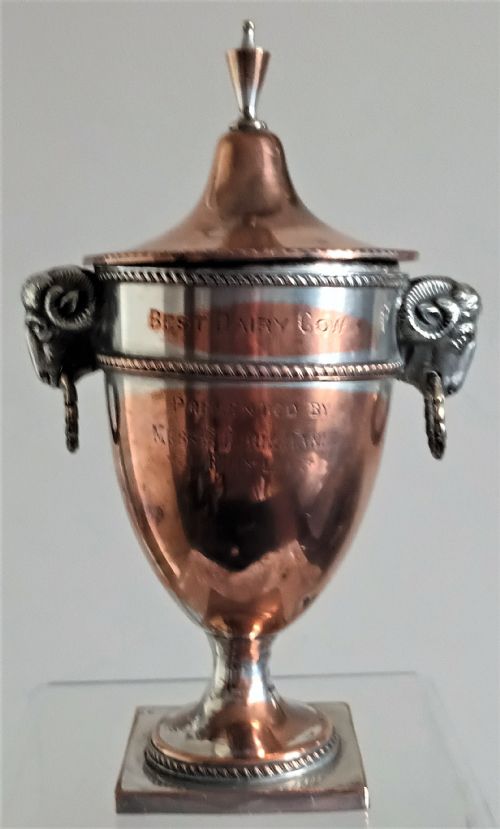


Engraved Copper Plate
An engraved copper plate carries the weight of a working press or the fine hand of a Middle Eastern artisan.
Engraved Copper Plate
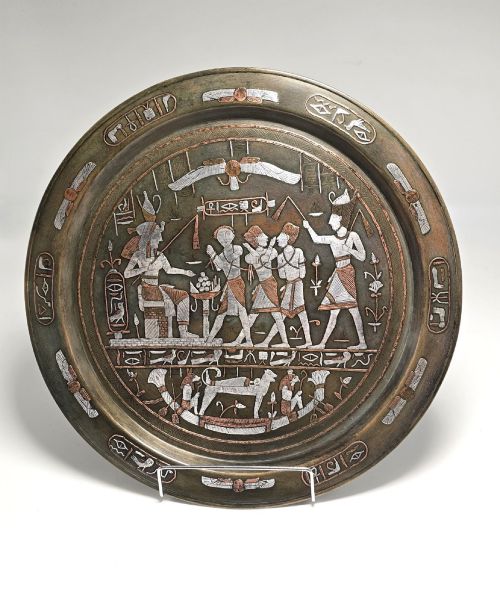
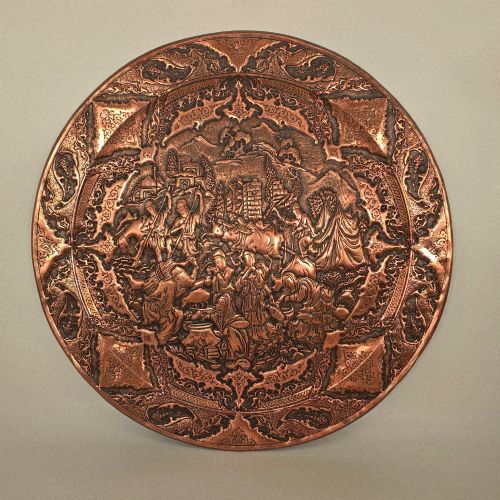
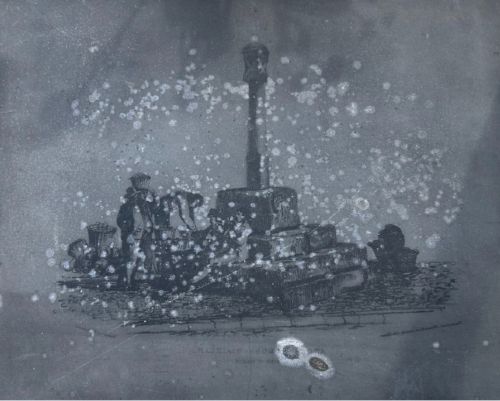
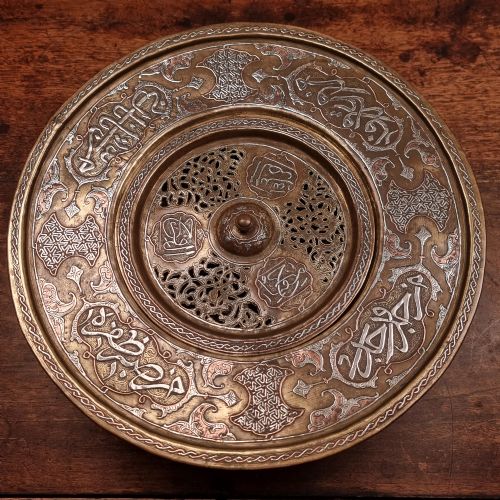
When you search for an engraved copper plate, you are looking at items that bridge the worlds of practical printing and decorative metalwork. The selections span centuries of craftsmanship, crossing from Georgian printing matrices to intricate Middle Eastern chargers.
The most common forms you will encounter on this page include large Persian and Syrian chargers alongside early printing plates and decorative trays. These pieces serve either as functional tools of reproduction or as display objects bearing elaborate chased and inlaid designs.
Origins stretch from English workshops producing Old Sheffield Plate to Islamic metalwork centres and Victorian revival studios. Each piece reflects the specific utilitarian or artistic demands of its period, whether created for the printing press or the drawing room.
How they were made
Makers shaped these objects primarily from copper, bronze, and Old Sheffield Plate, often combining metals to achieve contrast. Artisans utilised techniques such as engraving, repoussé work, and silver inlay to build up complex surface patterns.
Printing plates required a smooth, uniform metal surface capable of holding ink within fine incised lines under pressure. Decorative vessels and chargers, by contrast, demanded patient hand-hammering and detailed chisel work to define Islamic, Egyptian revival, or Georgian motifs.
Engraved Copper Plate Retail Price Guide 2026
Typical asking prices for engraved copper plate among the pieces listed under this phrase on Sellingantiques today, from the lower quarter to the upper quarter. They describe what is for sale here now, not the wider market.
Listings span the eighteenth and nineteenth centuries, incorporating Georgian, Regency, and Islamic revival styles.
What varies in quality
The distinction between ordinary and exceptional work lies in the crispness of the hand-engraving and the depth of the metal decoration. A superior piece displays confident, fluid lines in the repoussé or incised motifs rather than shallow or mechanical scoring.
Material integrity and the survival of original surface patination dictate the standing of a piece. Items that retain their original silver inlay, warm copper tones, or clean printing edges without excessive wear command greater regard from collectors.
The Engraved Copper Plate Glossary
- Engraving
- The process of cutting designs into a hard surface using a sharp tool called a burin. This technique produces fine, permanent lines used both in printmaking and decorative metalwork.
- Repoussé
- A metalworking method where an artisan hammers the metal from the reverse side to form a raised design in relief. Details are subsequently refined from the front using chisels.
- Old Sheffield Plate
- A composite material made by fusing a thin sheet of silver to a thicker copper base under heat and pressure. It was widely used for tableware and decorative items before electroplating.
- Islamic Metalwork
- A tradition encompassing brass, bronze, and copper objects decorated with geometric patterns, calligraphy, or silver inlay. Pieces often originate from regions such as Persia and Syria.
- Lithographic Metal Printing Plate
- A flat metal sheet prepared for planographic printing rather than intaglio engraving. These industrial plates carried images for commercial reproduction in the nineteenth century.
Engraved Copper Plate: Frequently Asked Questions
What is an engraved copper plate used for?
These plates served primarily as matrices for transferring ink onto paper in printing presses, producing fine art prints and book illustrations.
Alternatively, many items matching this description are decorative metal chargers and trays meant for display in a home or study.
How do I clean an antique copper plate?
You should generally leave the patination undisturbed, as harsh cleaning removes historical evidence and lowers value.
Dust the surface gently with a soft, dry cloth and avoid chemical polishes that strip the aged finish from the metal.
Are these plates safe for food use?
Most antique copper and Old Sheffield Plate items are unsuited for direct contact with food due to age and potential metal composition.
Display them on walls, stands, or flat surfaces rather than utilising them for serving meals.
How can I tell the age of a metal plate?
Examine the style of the decoration, the tool marks left by the maker, and the composition of the base metal.
Georgian and nineteenth-century pieces display distinct manufacturing techniques and stylistic motifs characteristic of their specific periods.