



Engraved Bottle Ticket
An engraved bottle ticket identifies the contents of a decanter, bringing elegance and clarity to the dining table.
Engraved Bottle Ticket
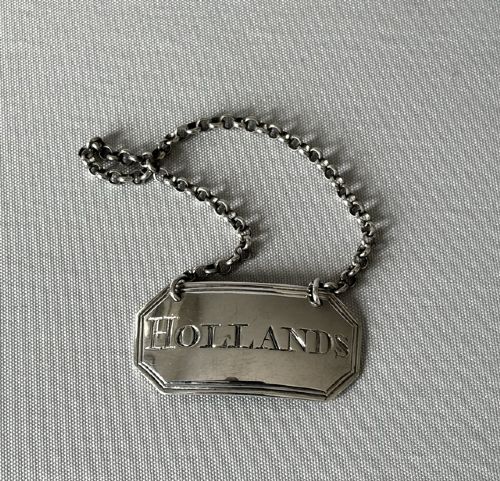
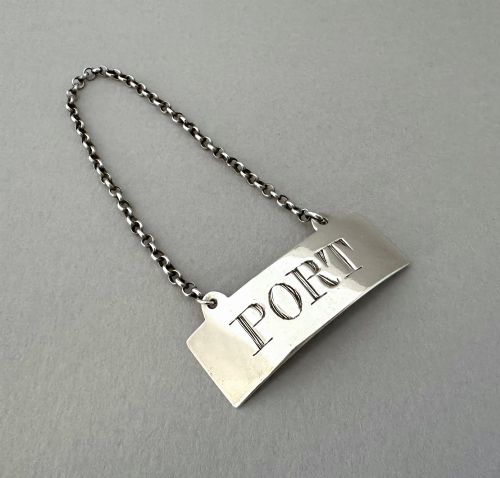
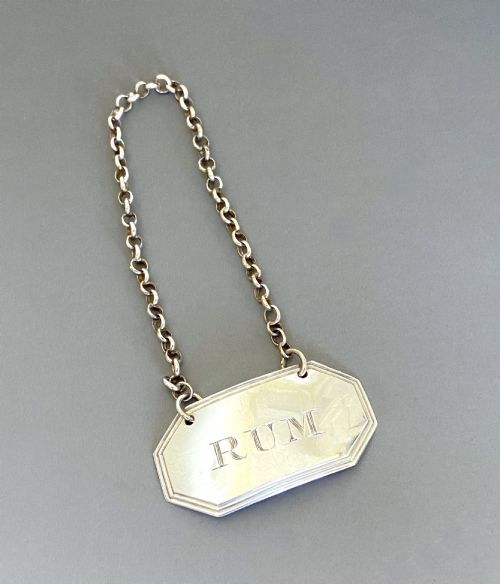
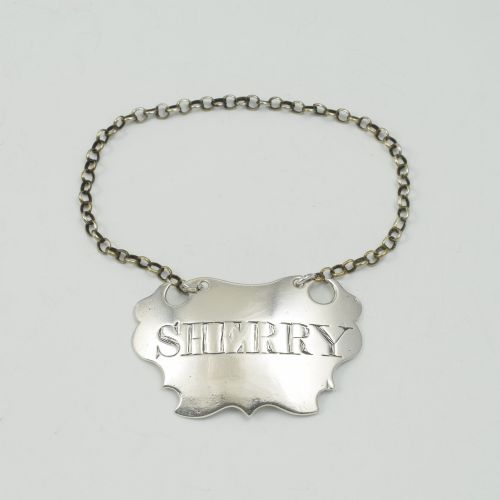
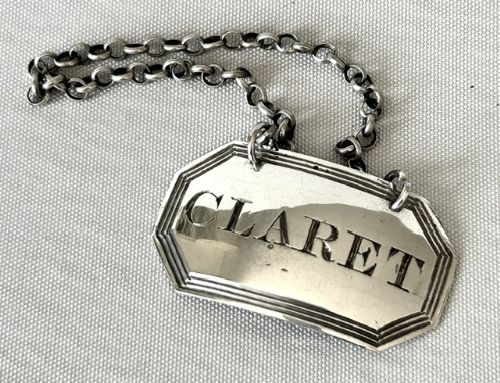
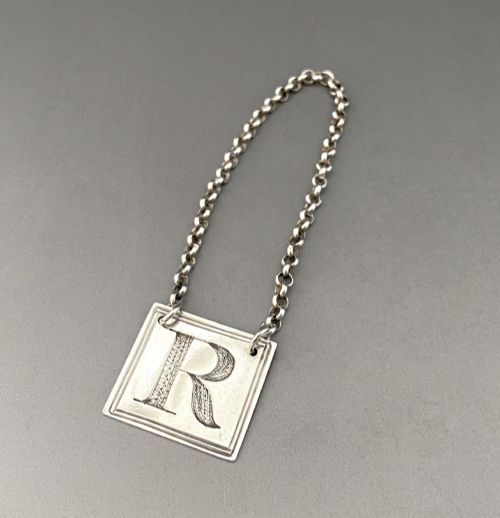
An engraved bottle ticket is a small silver tag hung around the neck of a decanter to name the wine or spirit inside. These pieces date from periods including the eighteenth century, the regency era, and the victorian period.
Most examples found here are fashioned from sterling silver or solid silver and display specific beverage titles such as sherry, port, claret, madeira, rum, gin, hock, moselle, and brandy.
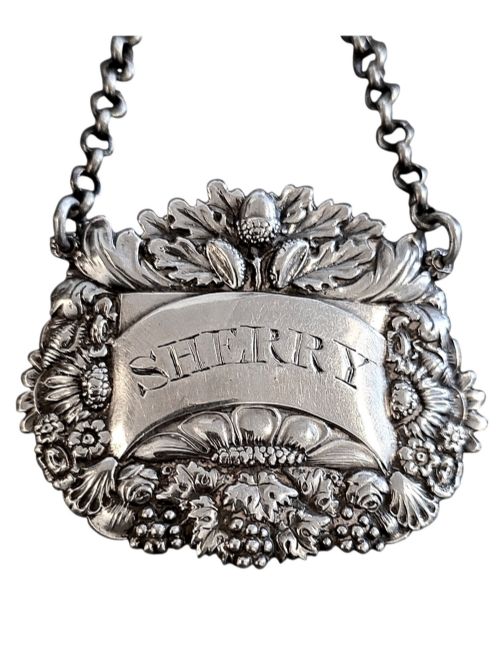
Formats vary from single labels to matched sets, sometimes appearing in escutcheon shapes or suspended on silver chains.
Materials and construction
These items are constructed predominantly from sterling silver and solid silver, utilising traditional silversmithing techniques appropriate to each era. Makers shaped the metal into plaques and escutcheons before hand-engraving the beverage titles.
Many examples incorporate suspension chains made of silver to secure the label around the decanter neck. Workmanship ranges from provincial Scottish output to pieces struck in major assay offices like London.
Engraved Bottle Ticket Retail Price Guide 2026
Typical asking prices for engraved bottle ticket among the pieces listed under this phrase on Sellingantiques today, from the lower quarter to the upper quarter. They describe what is for sale here now, not the wider market.
Distinctions in quality
Quality in an engraved bottle ticket depends on the crispness of the hand-engraving and the weight of the silver used in its formation. Finer examples display deeply cut lettering and well-defined stylistic borders, such as rococo revival motifs.
The reputation of the silversmith and the presence of clear hallmarks further distinguish superior pieces from standard workshop output. Sets that remain matching and retain their original chains hold greater distinction.
William Barrett II·Elizabeth Morley·John Reily·Peter and Anne Bateman
The Engraved Bottle Ticket Glossary
- Escutcheon
- A shield-shaped plate used as the base for engraving the beverage title. This form was particularly popular during the Georgian period.
- Decanter label
- An alternative term for a bottle ticket that hangs from the neck of a decanter. These accessories prevent confusion between similar wines and spirits.
- Sterling silver
- A silver alloy containing 92.5 percent pure silver by mass and 7.5 percent other metals, usually copper. It provides the primary material for these items.
- Hallmark
- A official stamp applied to precious metals to indicate purity, the maker, and the year of assay. These marks assist in dating the piece accurately.
Engraved Bottle Ticket: Frequently Asked Questions
What is an engraved bottle ticket?
An engraved bottle ticket is a small silver label designed to hang around the neck of a decanter. It displays the name of the specific wine or spirit held within the vessel.
These objects combine practical utility with decorative appeal, often featuring period styles such as georgian or victorian design motifs.
How were bottle tickets used?
Hosts placed these labels around the necks of glass decanters using silver chains or loops to inform guests of the contents. They were essential during formal dinners when multiple wines were served.
By identifying spirits like brandy, rum, or gin clearly, the labels ensured the correct drink was poured without removing the stopper.
How do I identify the period?
Dating relies heavily on the hallmarks stamped into the silver, which indicate the assay office and year of production. Stylistic clues, such as rococo revival curves or simpler regency shapes, also point to specific eras.
Examining the depth of the hand-engraving and the thickness of the silver helps distinguish eighteenth-century pieces from later nineteenth-century work.
Do these labels come in sets?
Some listings feature matched groups of three or more labels designed to identify different decanters simultaneously. These sets ensure a uniform appearance across a dining service.
Individual pieces also appear frequently, allowing collectors to build a diverse collection over time.