


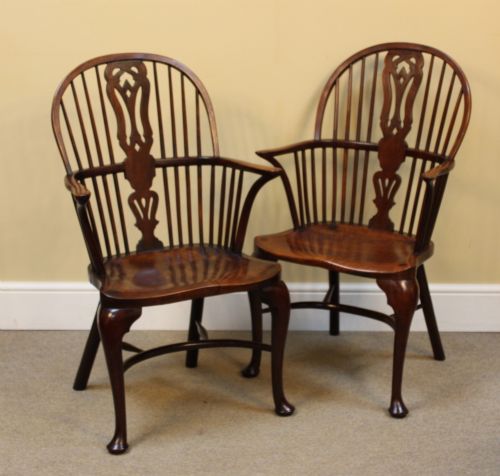

English Yew Wood Desk
An English yew wood desk brings together dense timber and vernacular cabinet-making traditions into a striking workspace centrepiece.
English Yew Wood Desk
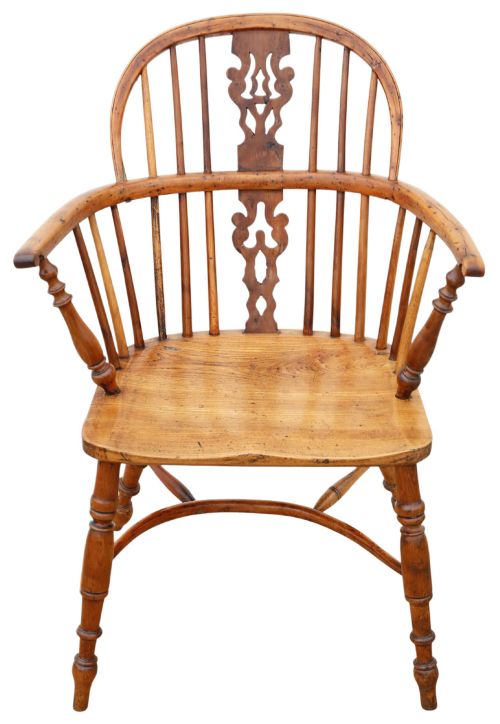
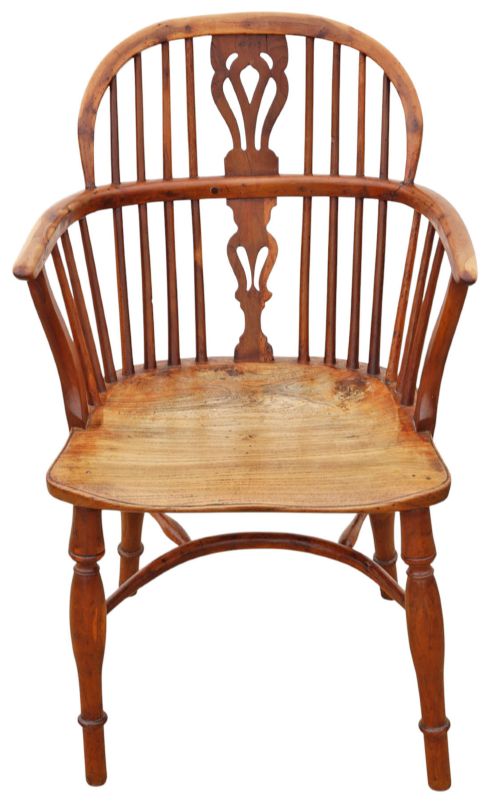
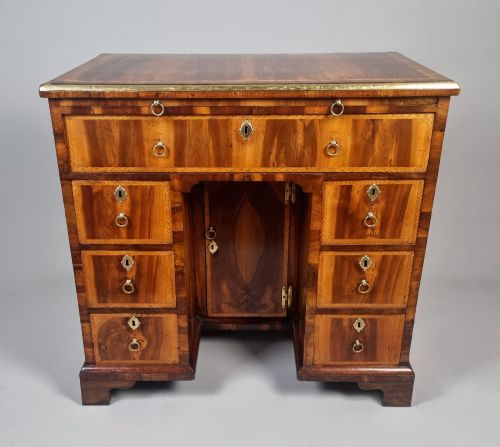
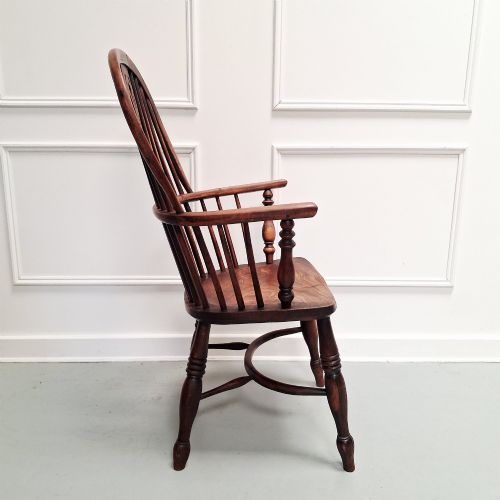
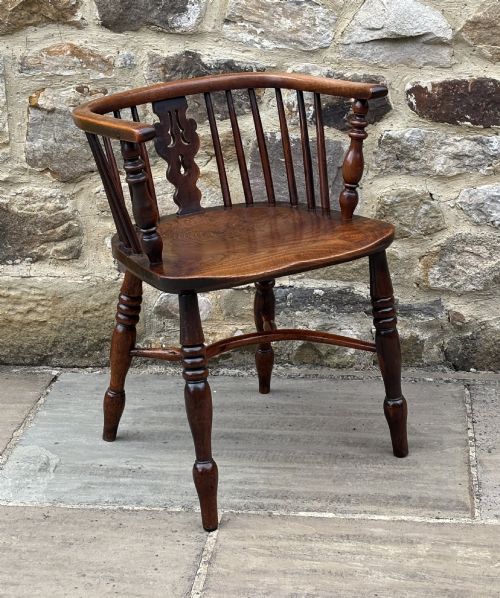
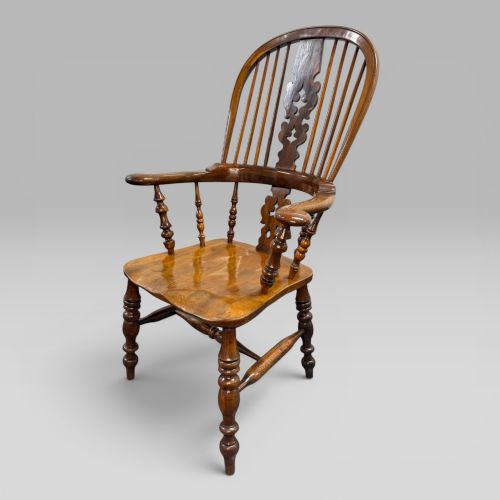
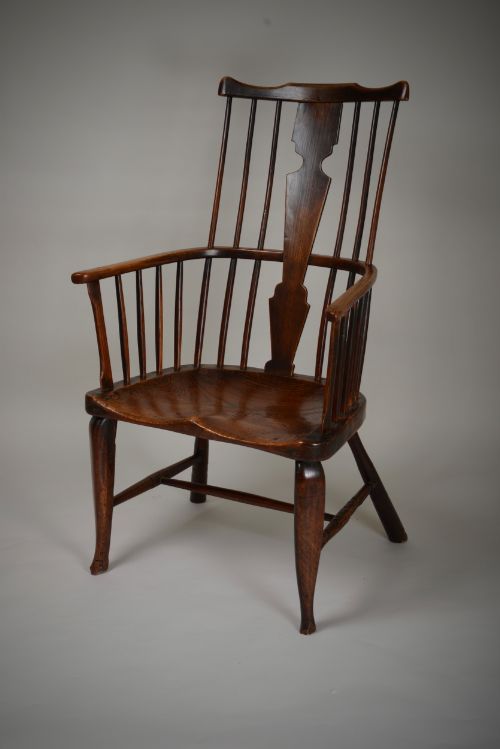
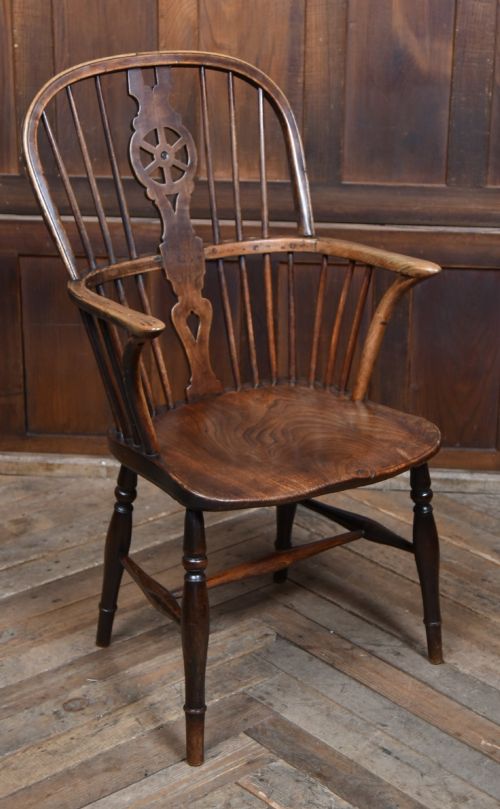
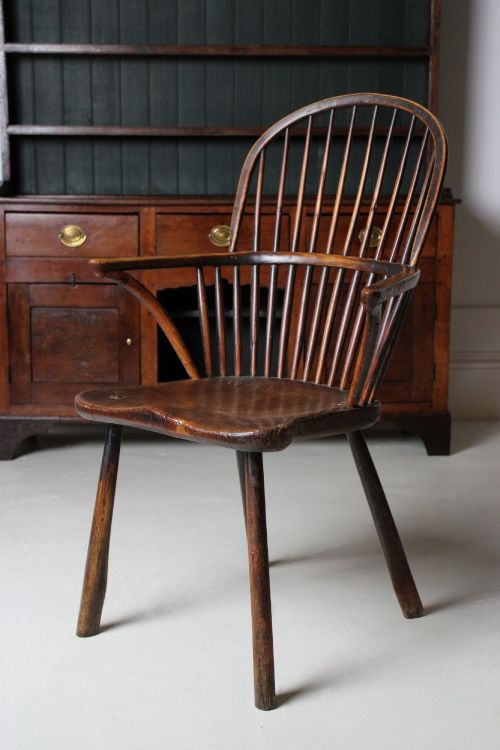
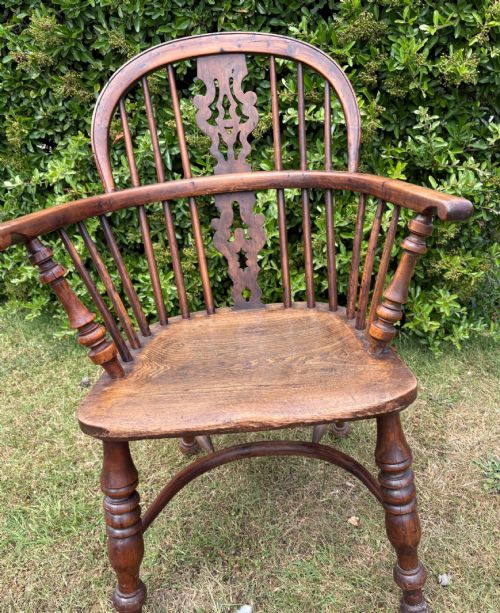
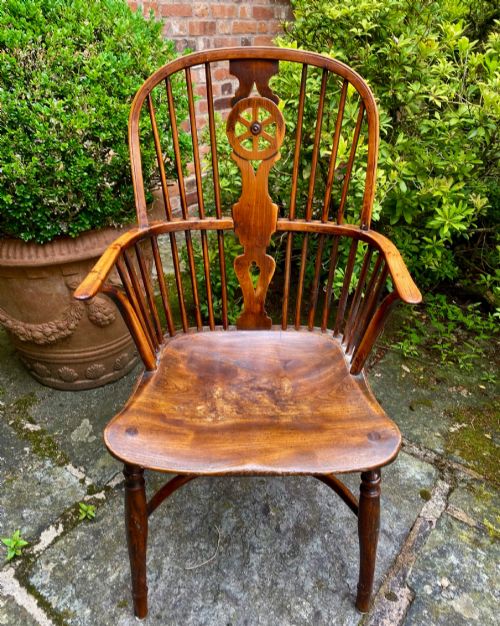
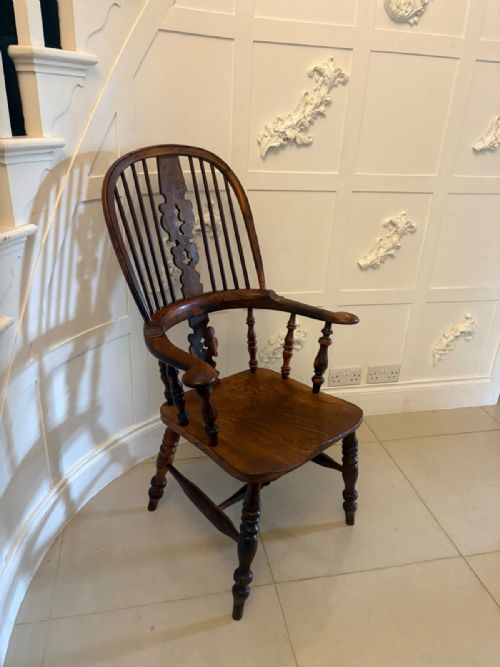
When you search for an English yew wood desk, you enter a sphere dominated by robust country craftsmanship and regional vernacular furniture. While the wider selection leans heavily toward Windsor armchairs and writing forms from the Georgian and Victorian eras, occasional miniature kneehole desks appear.
These pieces emerge primarily from 18th-century roots through to the late 19th century, reflecting the tastes of English country houses. The examples you encounter showcase the traditional forms shaped by regional makers working in timber yards and workshops.
Materials and Construction
The construction relies on a combination of native hardwoods, pairing yew wood with elm, ash, beech and oak to build resilient frames. Cabinet-makers utilised the rich grain of yew alongside solid elm seats and supporting stretchers in ash or beech.
Brass fittings appear as original details on dressing tables and miniature desks, while traditional joints and turned spindles anchor the seating forms. The wood itself required careful seasoning to manage the dense, highly figured grain patterns.
Listings span the Georgian, Victorian, and early 20th-century periods, utilising yew, elm, oak, and brass.
Judging the Standard
Quality rests in the depth of the timber figuring and the integrity of the original construction rather than decorative excess. Pieces retaining original brasses, uncompromised stretchers and rich surface patination stand apart from lesser examples.
The skill of the regional maker dictates the balance of the proportions, particularly in the shaping of arms, combs and splats. Wood selection makes a profound difference, with highly burred yew commanding attention for its visual weight.
J Spencer·Gabbitass Worksop maker·John Brand of Sleaford·Ben Gilling
The English Yew Wood Desk Glossary
- Vernacular
- Furniture made by local country craftsmen following regional traditions rather than metropolitan high styles. These pieces prioritise utility and local materials.
- Windsor chair
- A wooden chair constructed with a solid timber seat into which the legs and back spindles are separately inserted. They often combine yew, elm and ash.
- Crinoline stretcher
- A curved hoop stretcher connecting the legs of a Windsor chair to provide structural rigidity. It typically sweeps toward the rear legs.
- Burr back
- A backrest incorporating timber taken from a tree growth abnormality that produces intricate, swirling grain patterns. This feature adds significant visual depth.
English Yew Wood Desk: Frequently Asked Questions
What is an english yew wood desk?
An English yew wood desk is a writing surface constructed from native yew timber, often manifesting as miniature kneehole furniture or related country pieces from the Georgian and Victorian periods.
These items showcase the rich grain and dense character of yew, reflecting traditional regional cabinet-making skills.
How were windsor chairs made?
Windsor chairs were built by boring holes directly into a thick wooden seat to support turned legs below and spindle backs above. Makers selected contrasting native timbers such as yew for the upper parts and elm for the seats.
Regional variations introduced comb backs, wheel backs, and crinoline stretchers depending on the workshop and period.
How do I care for yew wood?
Yew wood furniture benefits from a stable indoor environment away from direct sunlight and sudden temperature shifts. Regular dusting and occasional application of traditional wax maintain the finish.
Avoid placing these items near radiators to prevent the timber from drying out or splitting over time.
How to date antique yew furniture?
Dating relies on observing construction methods, tool marks, timber choice, and stylistic cues from periods like the Georgian era or Victorian times. Regional design traits also help narrow down the decade of manufacture.
Makers' stamps or signatures, where present, offer direct evidence of the workshop origins.