

English Writing Chest
An English writing chest brings together practical storage and a dedicated writing surface, spanning centuries of cabinet-making traditions from oak document boxes to mahogany bureaux.
English Writing Chest
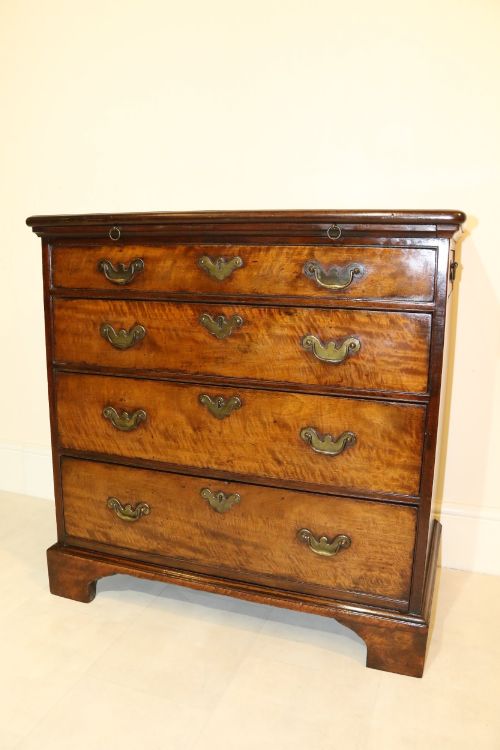
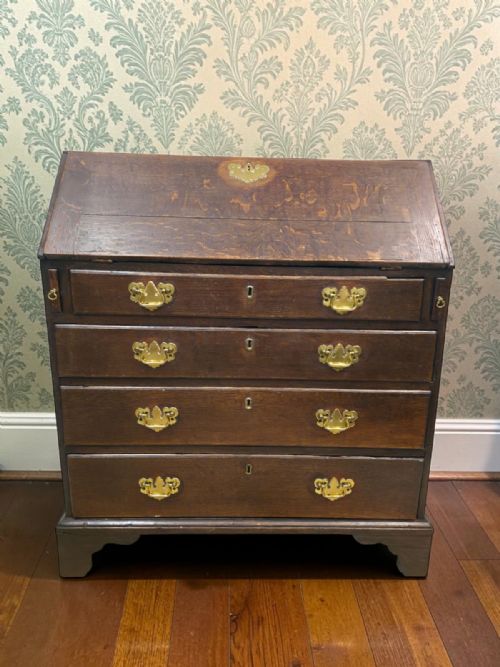
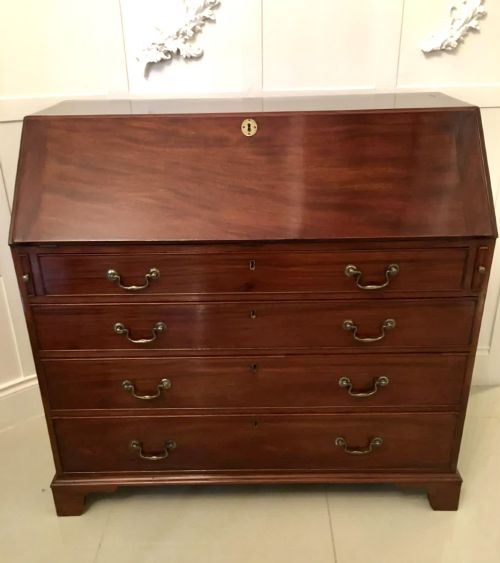
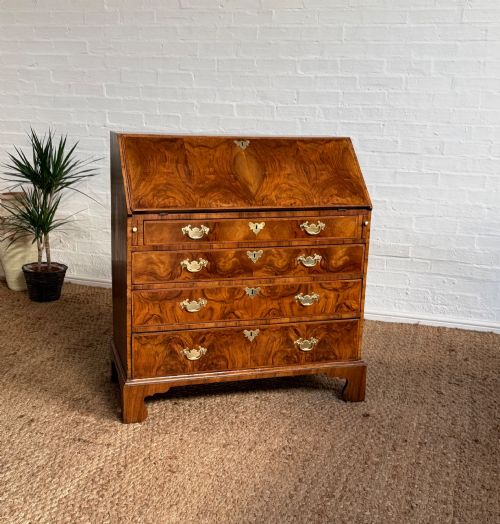
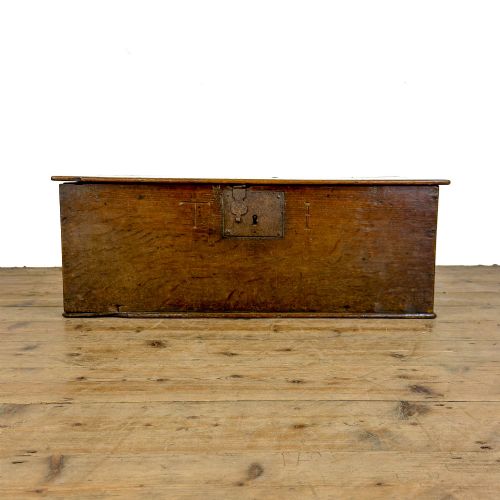
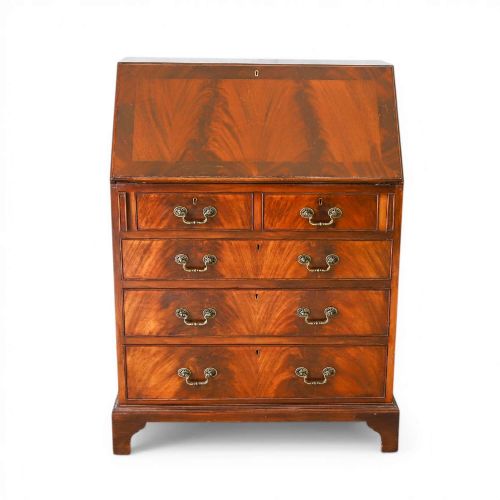
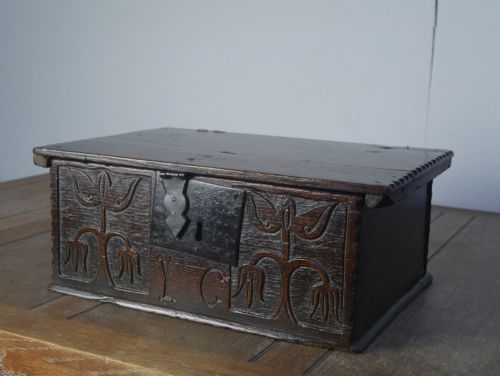
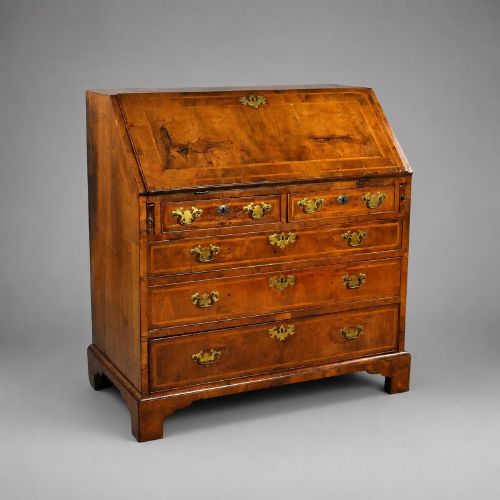
An English writing chest encompasses several distinct forms, most frequently encountered as drop-front bureaux, fall-front writing cabinets, and fitted document boxes from the seventeenth and eighteenth centuries. These pieces combine lower drawer storage with internal compartments, pigeonholes, and small drawers designed for correspondence and paperwork.
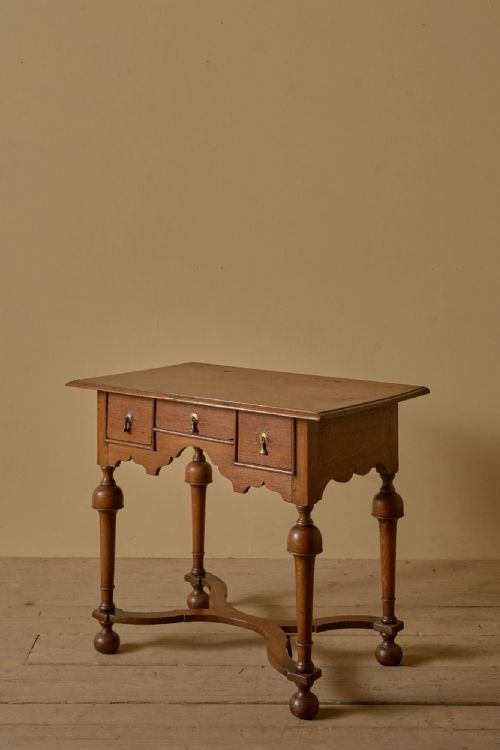
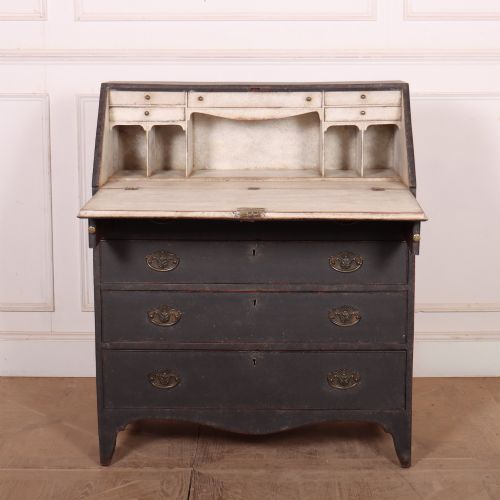
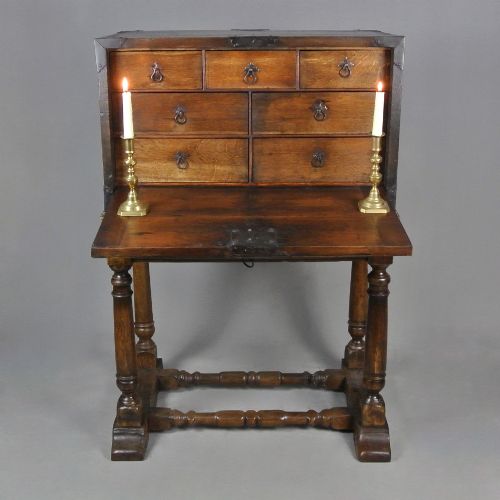
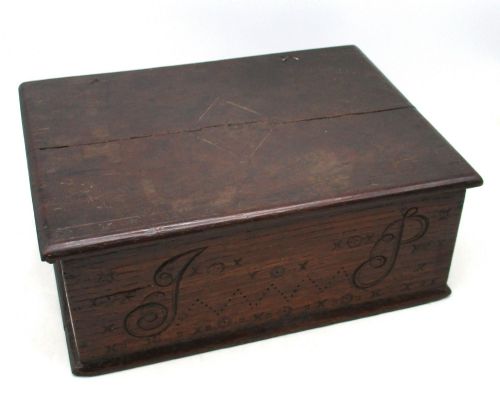
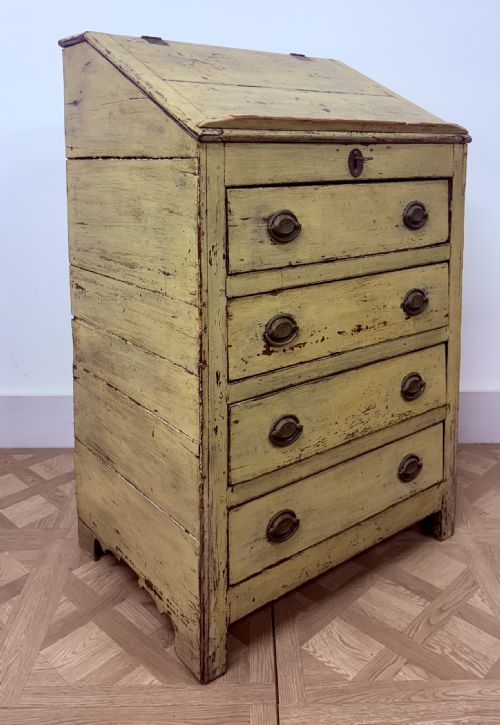
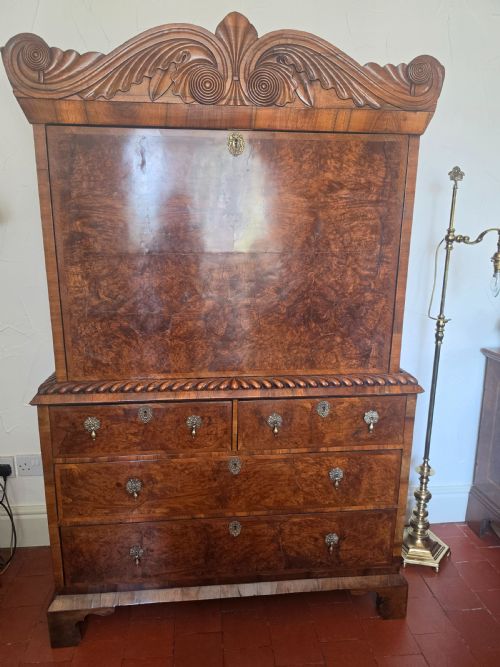
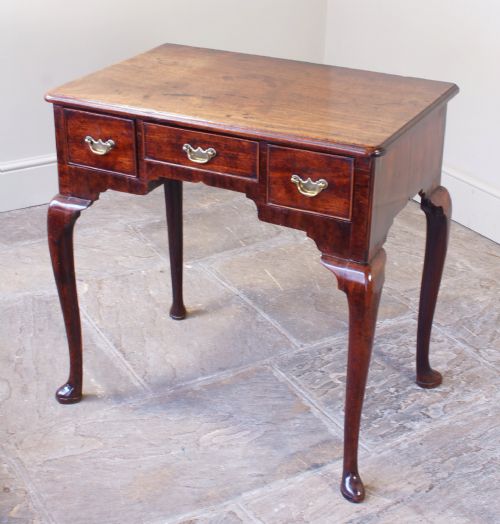
The selection ranges from early solid oak Bible boxes and strong boxes to sophisticated walnut and mahogany George III bureaux, alongside later Regency secretaire bookcases and satinwood writing desks. Buyers will also find lowboys and side tables adapted for writing alongside provincial painted examples.
Materials and construction
Cabinet-makers relied heavily on native timbers such as oak for seventeenth-century boxes, later transitioning to figured walnut veneers and rich mahogany solids during the Georgian period. Secondary woods like deal or pine often appear in drawer linings and internal dividers, reflecting standard period workshop practices.
Hardware played an essential role, incorporating brass handles, escutcheons, and hinges alongside iron mounts on earlier strong boxes and deed chests. Leather writing surfaces, sometimes coloured, were frequently inset into the fall-front flaps or writing slides.
English Writing Chest Retail Price Guide 2026
Typical asking prices for english writing chest among the pieces listed under this phrase on Sellingantiques today, from the lower quarter to the upper quarter. They describe what is for sale here now, not the wider market.
Materials recorded across the selection include solid oak, figured walnut, mahogany, satinwood, brass, leather, and wrought iron.
Assessing quality
Quality rests upon the selection of timber veneers, such as figured walnut or flame mahogany, and how symmetrically the grain patterns match across the fall front and drawer faces. Superior pieces display meticulous dovetailing in the drawer construction and well-proportioned internal configurations of small drawers and secret compartments.
The integrity of the original hardware, hinges, and locks distinguishes finer examples, alongside the crispness of any carved detailing on earlier oak pieces. Proportion and overall harmony between the upper writing section and lower chest of drawers dictate the visual success of the piece.
Gillows of Lancaster
The English Writing Chest Glossary
- Bureau
- A desk with a sloping hinged lid that opens to reveal a fitted interior of pigeonholes and small drawers, typically positioned above a chest of drawers.
- Escritoire
- A writing cabinet or fall-front desk, often elevated on a stand or built into a taller cabinet structure, popular in the seventeenth and eighteenth centuries.
- Secretaire
- A piece of furniture incorporating a writing drawer or drop-front section disguised as a standard drawer or panel within a larger cabinet or bookcase.
- Lowboy
- A small side table with one or more rows of drawers, frequently utilised as a dressing or writing table during the eighteenth century.
- Bible box
- A small wooden box with a sloped or flat lid, originally built to hold family Bibles and important documents in seventeenth-century households.
English Writing Chest: Frequently Asked Questions
What is an English writing chest?
An English writing chest is a term encompassing antique bureaux, fall-front desks, secretaire cabinets, and document boxes designed to provide both storage and a writing surface.
These pieces evolved from seventeenth-century oak Bible and deed boxes into sophisticated Georgian walnut and mahogany furniture featuring fitted internal compartments.
How were these desks used historically?
Owners utilised these chests for storing correspondence, ledgers, and valuable documents, while the drop-front lid provided a stable slope for writing letters.
They served as private secretary desks in gentlemen's quarters, drawing rooms, and studies before the widespread adoption of modern freestanding desks.
How do I identify a Georgian bureau?
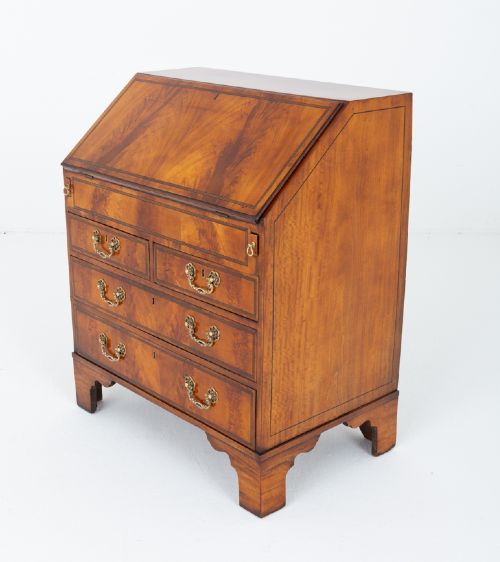
Georgian bureaux typically feature a fall-front flap that rests on lopers when opened, revealing an arrangement of pigeonholes and small drawers above three or four graduated exterior drawers.
They are commonly constructed from mahogany or walnut, often displaying brass handle hardware and bracket or ogee feet.
Where do I place a writing chest at home?
A writing chest works well in a study, living room, or hallway where its compact footprint provides both surface area and enclosed drawer storage.
Ensure adequate clearance in front of the piece so the fall-front lid can drop down fully without obstructing walkways.