

English Wooden Tables
English wooden tables range from rugged elm farmhouse boards to polished mahogany library pieces, offering sturdy utility and enduring craftsmanship for everyday dining or display.
English Wooden Tables
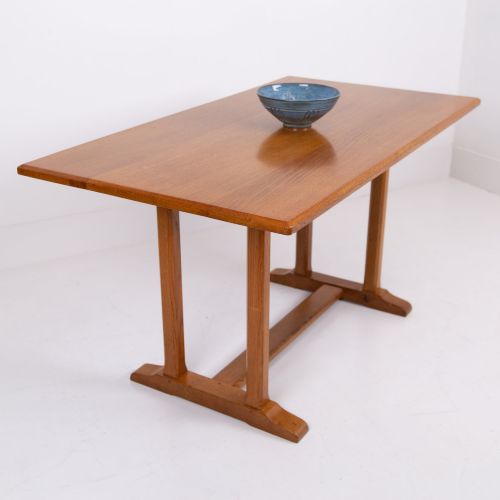
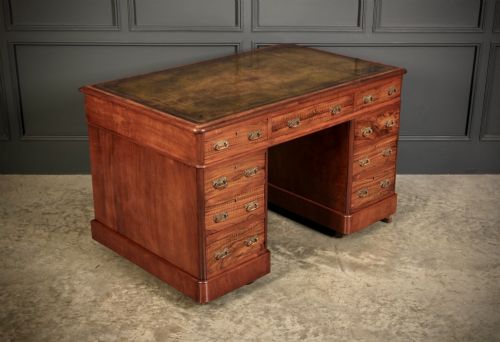
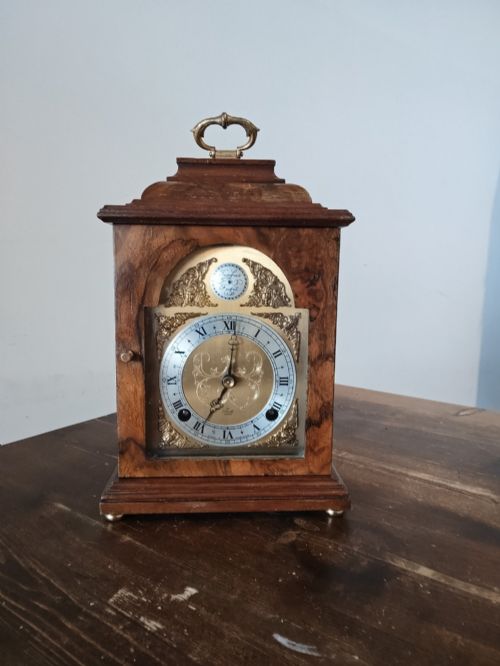
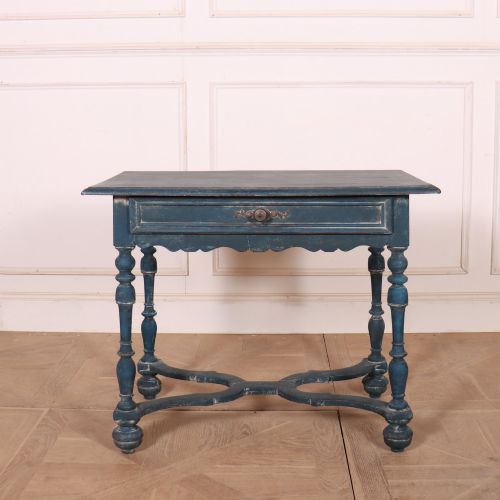
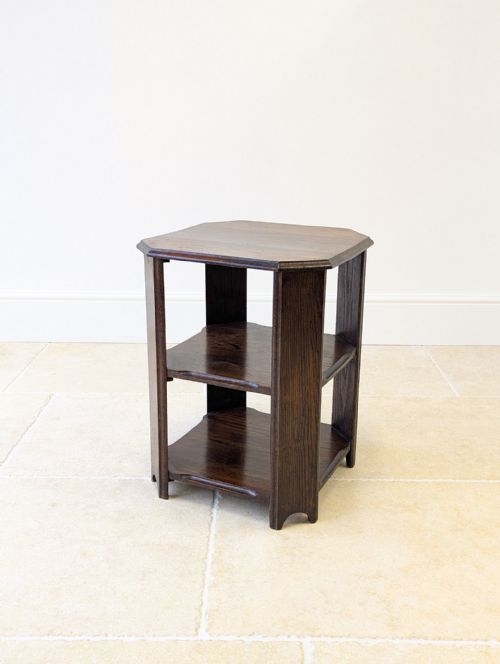
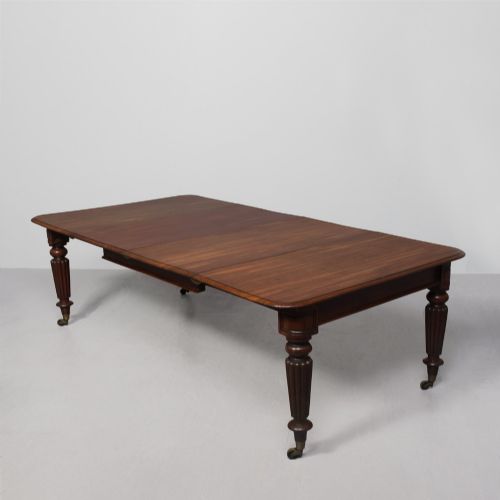
When you search for english wooden tables, you encounter an array of heavy oak, pine, and elm boards alongside lighter mahogany and walnut dining, side, and library surfaces. These objects span periods from the eighteenth century through the Victorian, Edwardian, and early twentieth eras, reflecting shifting domestic needs.
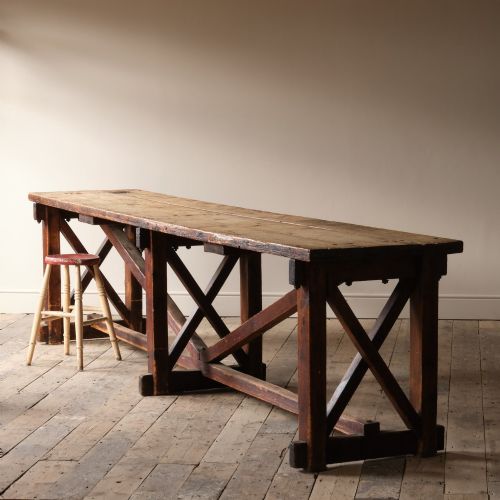
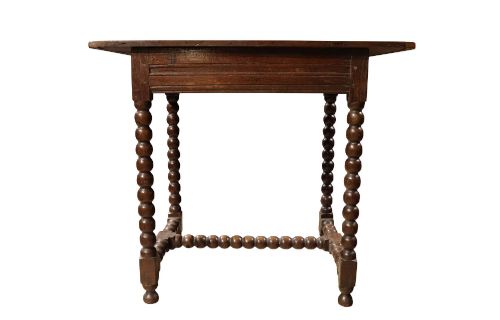
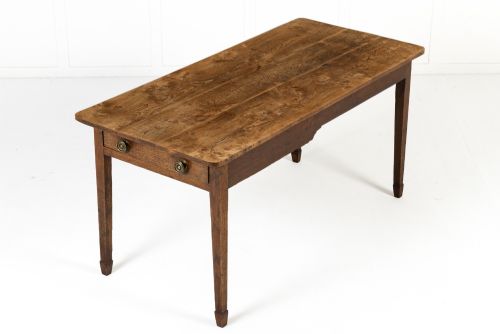
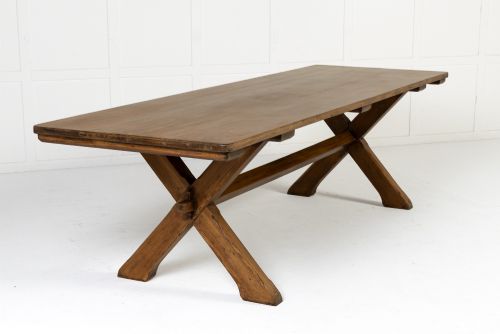
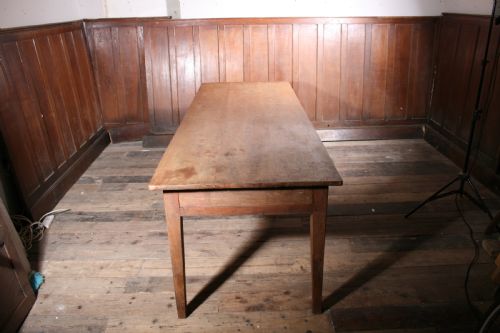
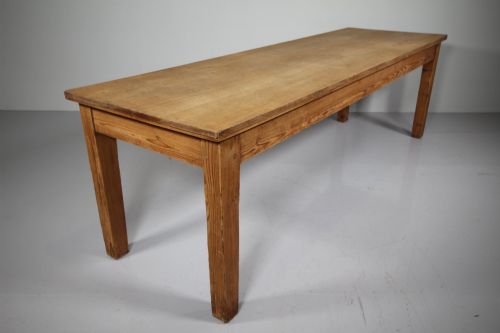
The version you are most likely to meet on this page is the substantial farmhouse or kitchen dining table, constructed from elm, pine, or oak. These pieces carry the marks of practical domestic use, often featuring turned legs or simple trestle bases designed for communal meals.
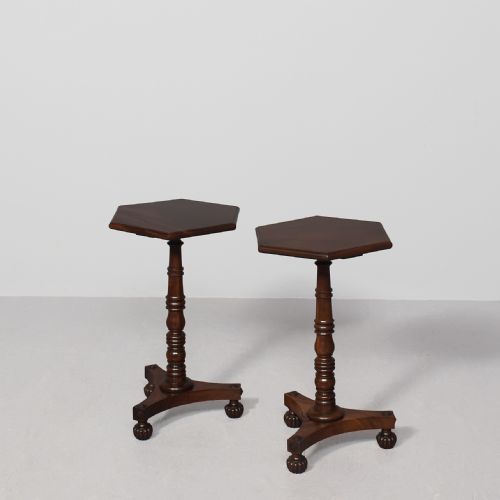
Beyond dining boards, the selection includes smaller occasional items such as cricket tables, lamp tables, and drop-flap butler's trays. These secondary forms utilise native hardwoods and softwoods to serve specific household tasks in sitting rooms and bedrooms.
How they were made
Cabinet makers and joiners relied primarily on native timbers such as oak, elm, mahogany, and pine, selecting each wood for its specific structural properties. Oak and elm provided the dense, resilient framework needed for heavy farmhouse tables and joint stools, while mahogany offered a stable canvas for fine dining furniture.
Construction techniques balanced straightforward joinery with functional adaptability, utilising pegged mortise and tenon joints for heavy tables and drop leaves or folding stands for space-saving utility. Surfaces were left in original paint, waxed to highlight the natural grain, or polished to a smooth finish depending on the intended social setting.
English Wooden Tables Retail Price Guide 2026
Typical asking prices for english wooden tables among the pieces listed under this phrase on Sellingantiques today, from the lower quarter to the upper quarter. They describe what is for sale here now, not the wider market.
Listings feature oak, elm, mahogany, and pine across periods from the eighteenth century to the 1930s.
What varies in quality
The distinction between ordinary utility items and superior examples lies in the selection of timber and the integrity of the original construction. Pieces fashioned from dense, well-figured walnut, mahogany, or seasoned oak exhibit a structural harmony that lighter or more heavily restored items lack.
Subtlety of proportion and the retention of original surfaces, such as early paint layers or unbleached patina, elevate certain examples above standard workshop output. The degree to which a piece maintains its original mechanism - whether drop leaves, extending runners, or folding stands - determines its standing among collectors.
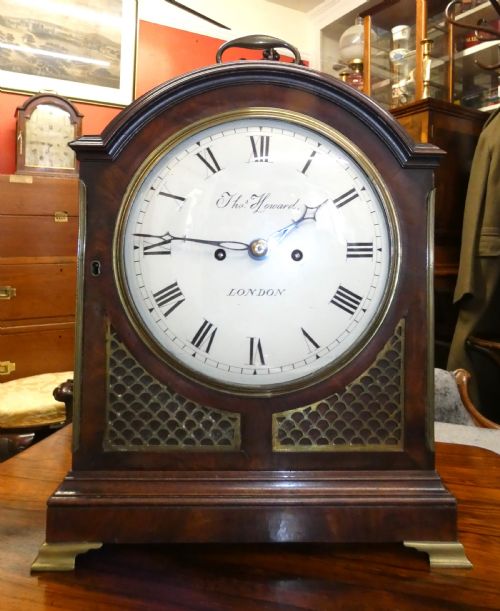
Heals·Arthur Reynolds·Thomas Howard·Thomson of London·Widenham of London·William Gard
The English Wooden Tables Glossary
- Refectory table
- A long, narrow dining table traditionally used in communal halls and later adapted for domestic kitchens. These boards typically feature robust stretcher bases to ensure stability across significant lengths.
- Cricket table
- A small, lightweight occasional table supported by three splayed legs. This three-legged design ensured stability on uneven flagstone floors in historical English cottages.
- Joint stool
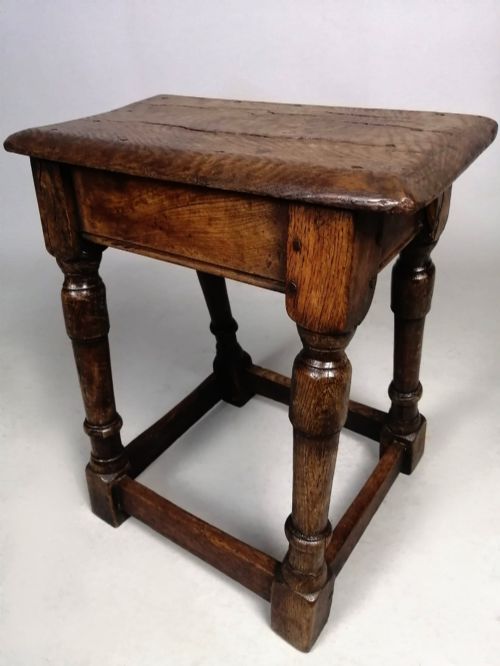
- A sturdy wooden seat constructed with mortise and tenon joinery using wooden pegs rather than metal nails. These pieces frequently doubled as small side tables in early domestic interiors.
- Potboard dresser base
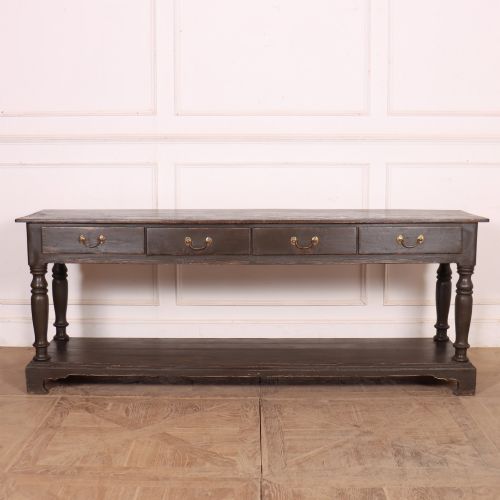
- A low kitchen sideboard featuring an open lower shelf used for storing pots and pans. The upper surface provided workspace for food preparation.
- Butler's tray
- A removable wooden tray with hinged sides, designed to sit upon a folding X-frame stand for serving food or drinks. This portable arrangement allowed servants to clear rooms efficiently.
English Wooden Tables: Frequently Asked Questions
What is a refectory table?
A refectory table is a long, narrow dining board designed to seat many people along its length. These pieces originated in communal dining halls before finding a place in large country kitchens.
In domestic settings, they provided a central hub for daily meals and household gatherings. Their sturdy construction allowed them to withstand heavy daily use over centuries.
How do I identify elm wood?
Elm wood is characterised by a distinctively interlocking, swirling grain pattern that creates a textured appearance. It ranges in colour from pale brown to rich golden tones.
Cabinet makers favoured elm for tabletops and seats because the interlocking grain made the wood exceptionally resistant to splitting. This durability suited rugged farmhouse furniture.
Where were cricket tables used?
Cricket tables were utilised in domestic cottages as versatile, small-scale surfaces for eating, reading, or holding household items. Their three-legged design kept them steady on uneven floors.
Owners could easily move these lightweight tables around a small room as needed. They remain popular today for their compact footprint and simple charm.
What is a potboard dresser?
A potboard dresser base is a heavy low cupboard featuring an open shelf near the floor. This lower tier, known as the potboard, stored heavy pots and utensils.
These pieces served as the working heart of the kitchen for food preparation and storage. Their solid timber construction allowed them to bear substantial weight.