


English Wooden Stool
These English wooden stool examples span centuries of domestic seating, offering solid utility and distinct period character for everyday living.
English Wooden Stool
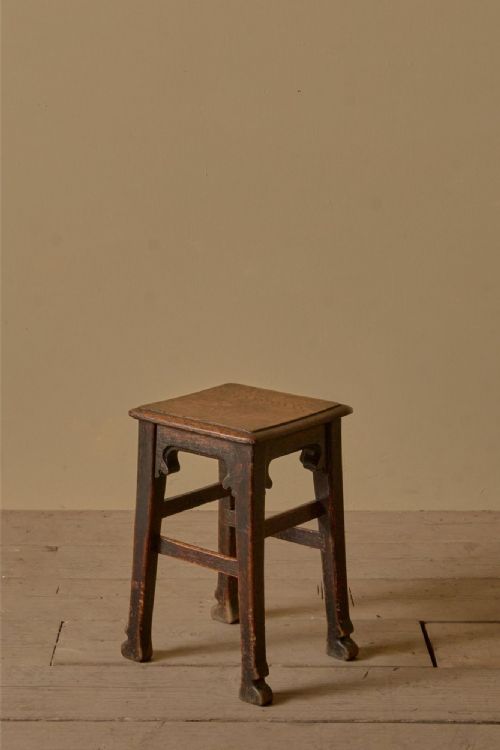
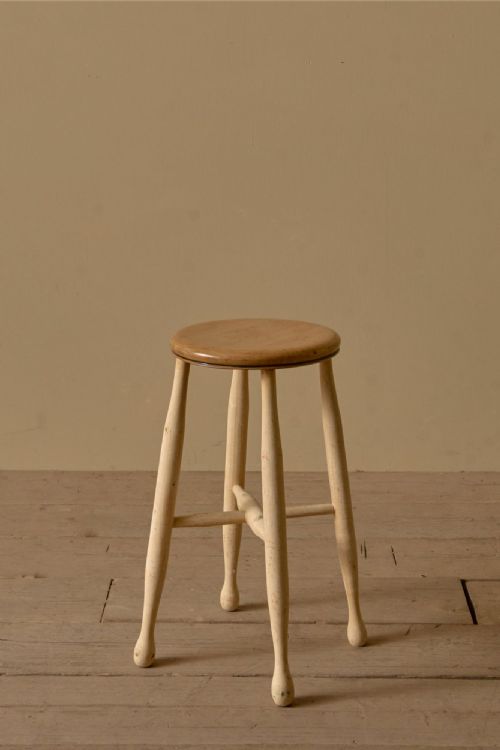
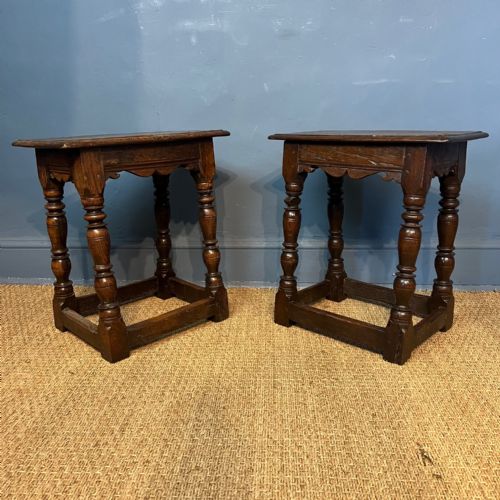
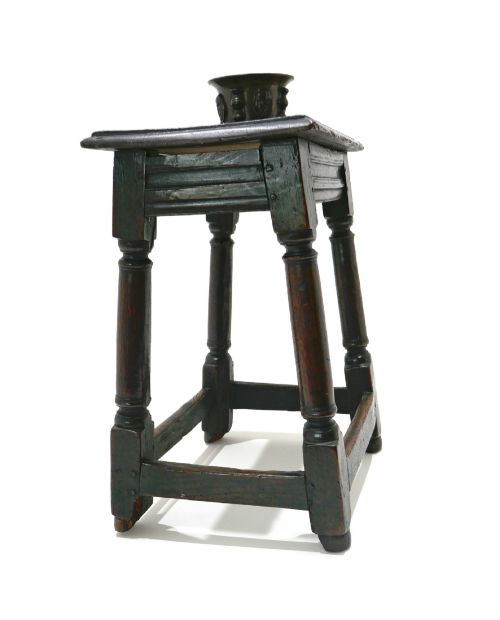
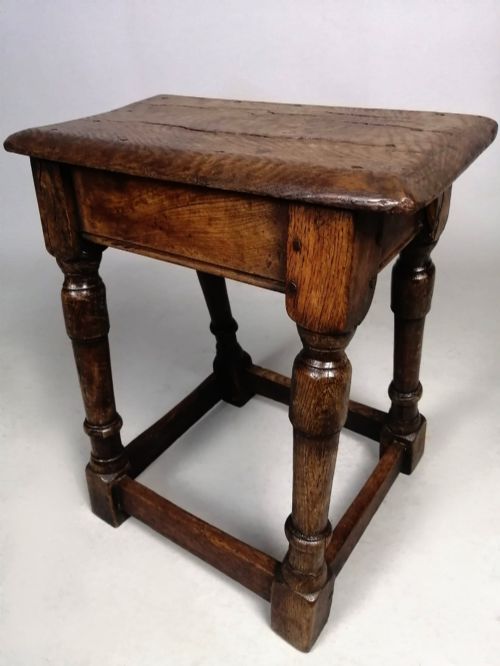
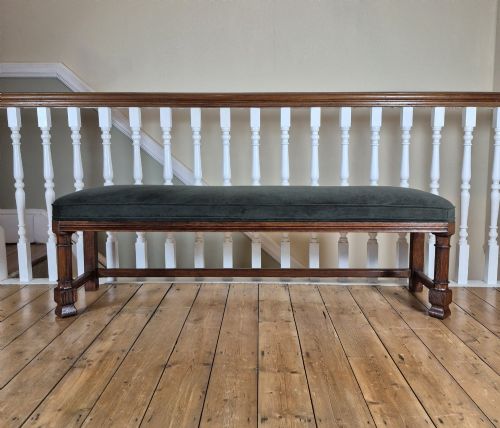
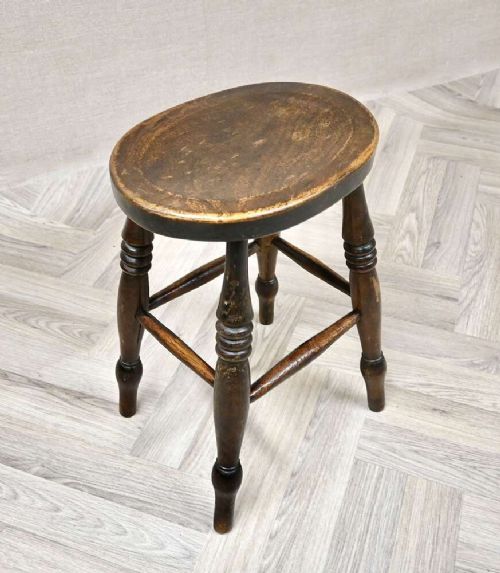
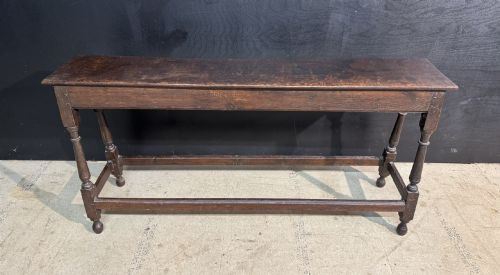
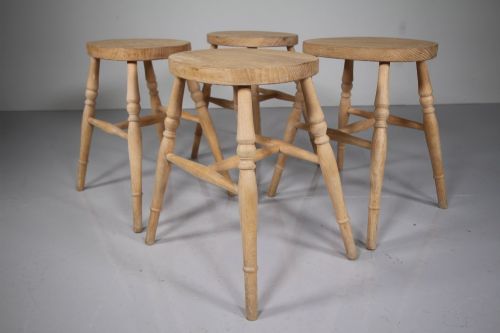
An english wooden stool encompasses a diverse array of domestic seating and resting forms produced across the seventeenth, eighteenth, and nineteenth centuries. Buyers searching this phrase encounter everything from austere seventeenth century joint furniture to nineteenth century country farmhouse seating and Edwardian dressing variations.
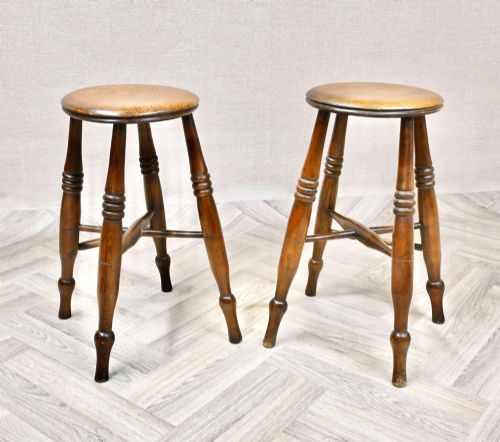
The selections on this page lean heavily toward sturdy oak joint forms alongside elm, mahogany, and yew wood provincial seating. Sturdiness and practical function unite these diverse objects, whether configured as low fireside rests, tall tavern seats, or long benches.
Materials and construction
Cabinet makers utilised native hardwoods like oak, elm, and yew, often assembling structural members with pegged mortise and tenon joints to ensure lasting stability. Grain selection dictated whether timber served structural leg frames or flat plank tops.
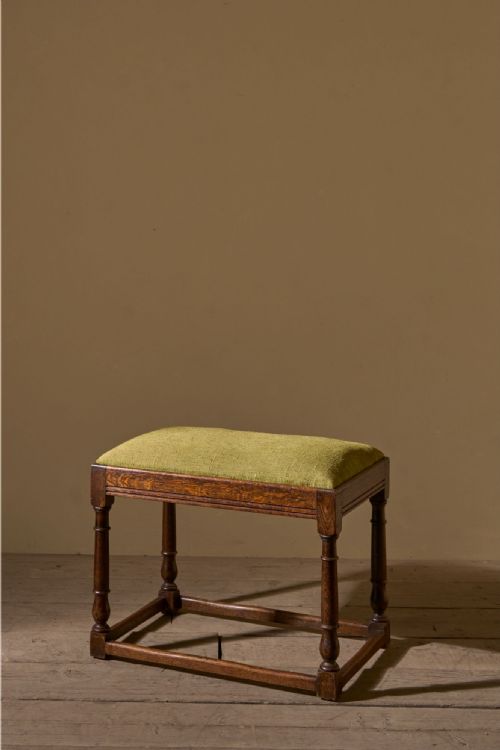
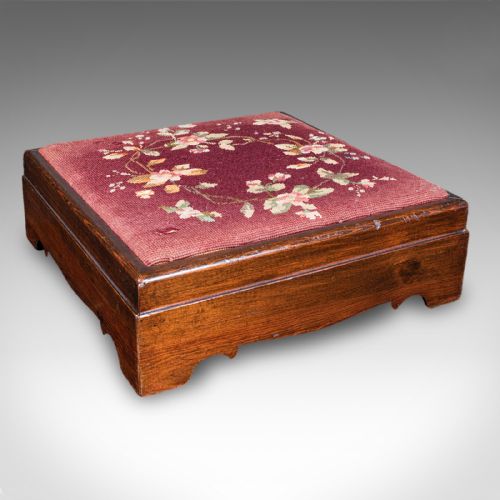
Secondary materials such as leather, brass, tapestry, and heavy linen frequently appeared on upholstered variants and footrests. Surface treatments ranged from polished mahogany finishes to painted pine and bleached oak.
English Wooden Stool Retail Price Guide 2026
Typical asking prices for english wooden stool among the pieces listed under this phrase on Sellingantiques today, from the lower quarter to the upper quarter. They describe what is for sale here now, not the wider market.
Surviving examples demonstrate diverse domestic uses, ranging from fireside footrests and library steps to tavern seating.
Gradations of quality
Integrity of the timber and the preservation of original pegged joints determine the structural merit of early seating. Honest patination and depth of colour achieved through centuries of use separate superior examples from later revivals.
Refinement in turning, hand-carved detailing, and proportion dictate the standing of formal pieces, whereas provincial country items rely on the honest robustness of their native woods.
Harry & Lou Epstein
The English Wooden Stool Glossary
- Joint stool
- An early form of wooden seating constructed with pegged mortise and tenon joints rather than traditional crude pegging. These sturdy items served multiple domestic purposes in seventeenth century households.
- Windsor stool
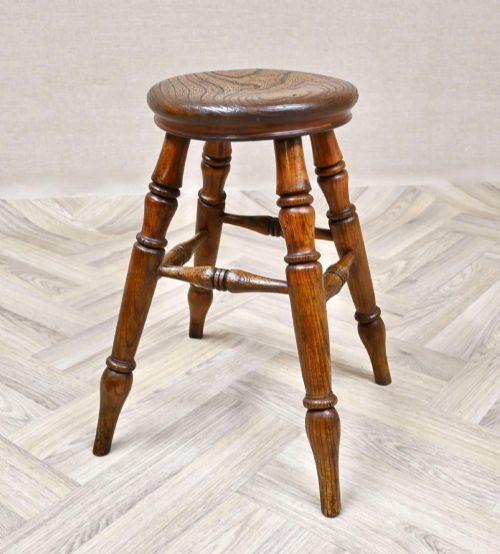
- A traditional seat featuring turned legs and spindles wedged directly into a solid carved wooden seat. This country form prioritises ergonomic comfort and sturdy rural utility.
- Commode chair
- An enclosed wooden seat designed to house a chamber pot beneath a lidded aperture. Early examples often combined clever cabinetry with disguise as standard domestic seating.
- Yew wood
- A dense native timber prized by makers for its rich figuring and warm tonal variation. It appears frequently in nineteenth century country seating and small occasional stands.
English Wooden Stool: Frequently Asked Questions
How do I date an early oak stool?
Examine the construction methods, tool marks left by hand planes, and the natural wear patterns around the footings and seat edges. Seventeenth century examples typically display pegged joinery and hand- cleft timber.
Compare the timber shrinkage and patination against documented pieces from the same era. Secondary woods and fastener types often provide further clues to the precise period of manufacture.
Were joint stools used for sitting?
These robust items served primarily as flexible seating around the dining table in early households before upholstered chairs became common. Their flat tops also permitted temporary use as small side tables.
Servants and children utilised them daily, while finer versions accommodated guests of higher status. Their stacked storage design saved valuable floor space in compact rooms.
How do I care for antique timber?
Keep wooden seating away from direct heat sources and dramatic humidity fluctuations to prevent timber splitting and joint shrinkage. Apply a conservative coat of microcrystalline wax periodically to nourish the surface.
Avoid modern liquid polishes containing silicones that can degrade historical finishes over time. Gentle dusting with a dry cloth preserves the accumulation of age patination.
What distinguishes country stools from formal ones?
Country variants utilise accessible local timbers like elm, sycamore, and pine with simpler turned or splayed legs intended for utilitarian farmhouse tasks. They prioritise robust function over stylistic ornamentation.
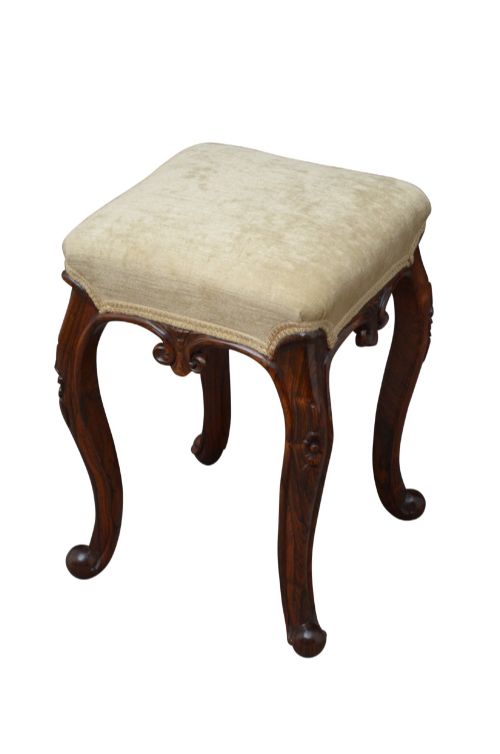
Formal pieces incorporate refined mahogany or walnut, sophisticated leg profiles like cabriole supports, and decorative upholstery. These urban examples reflected contemporary interior fashions of their respective periods.