

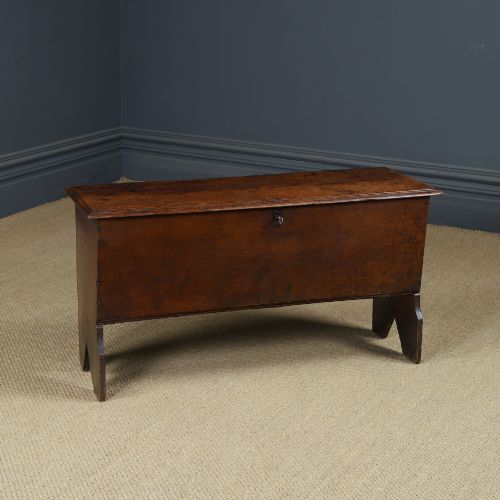
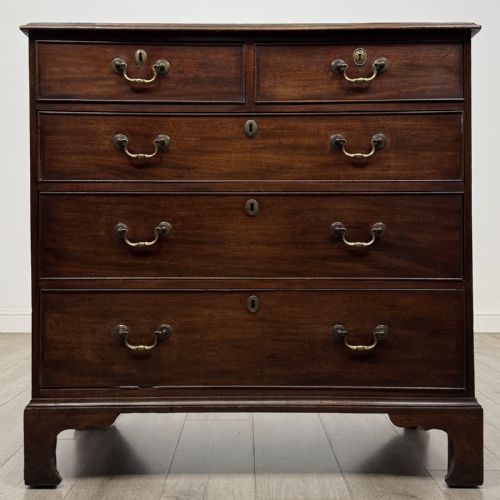
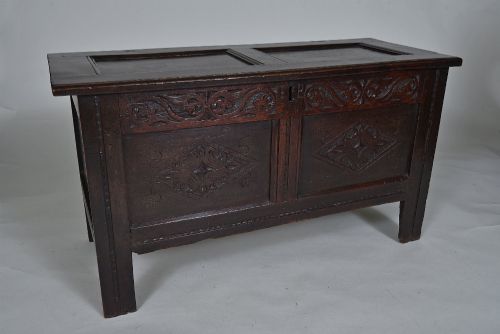
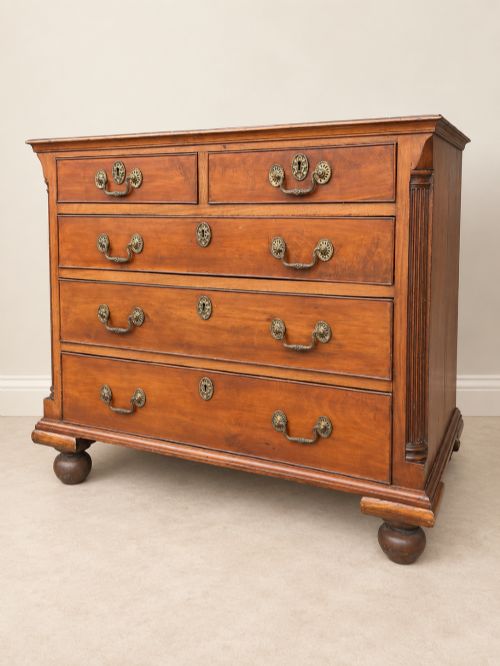

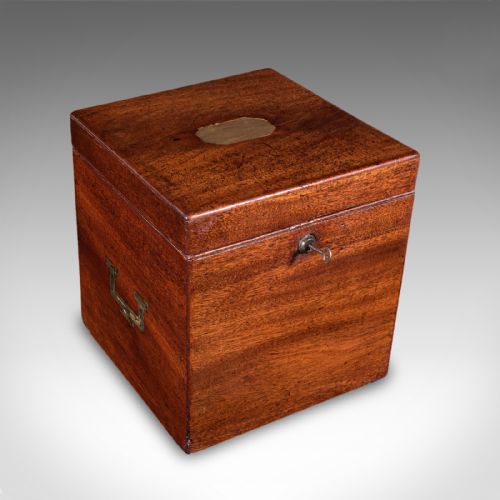
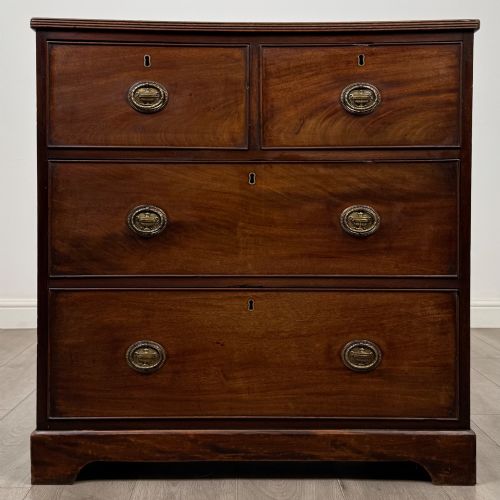
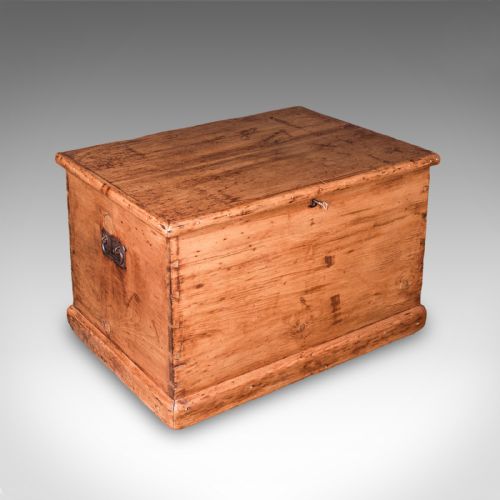
English Wooden Chest
An English wooden chest brings centuries of domestic storage into a room, offering heavy timber construction and practical depth.
English Wooden Chest
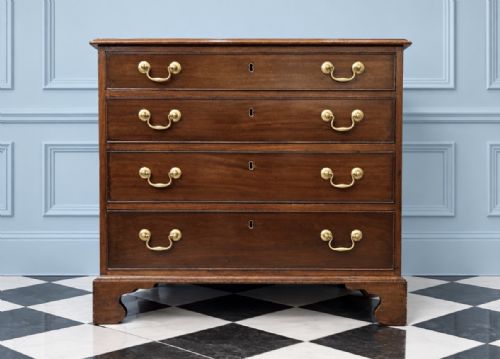
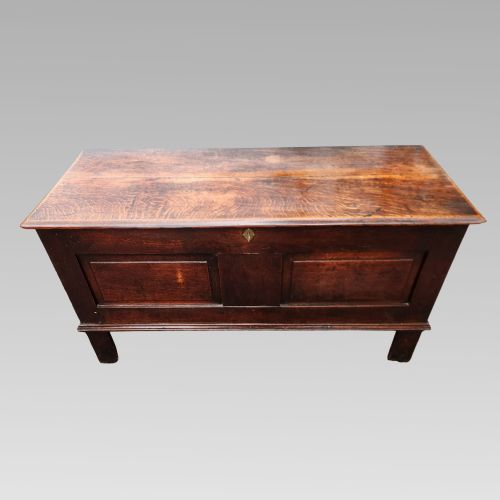
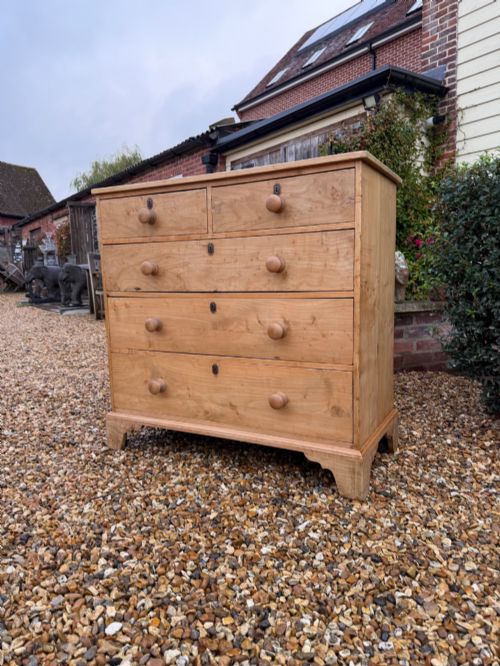
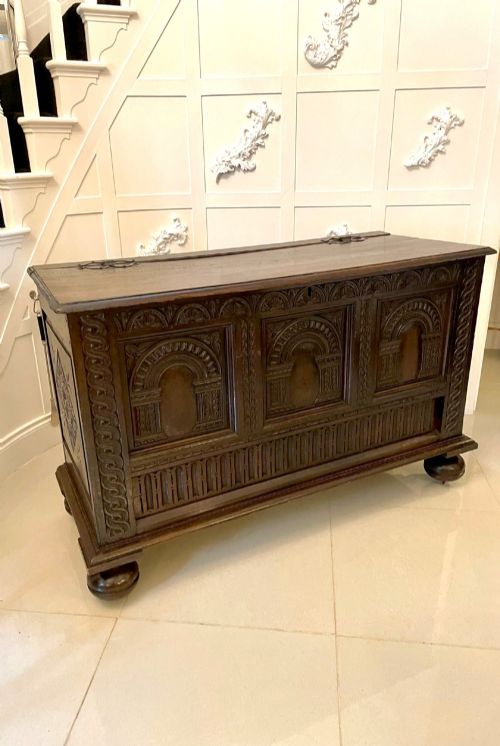
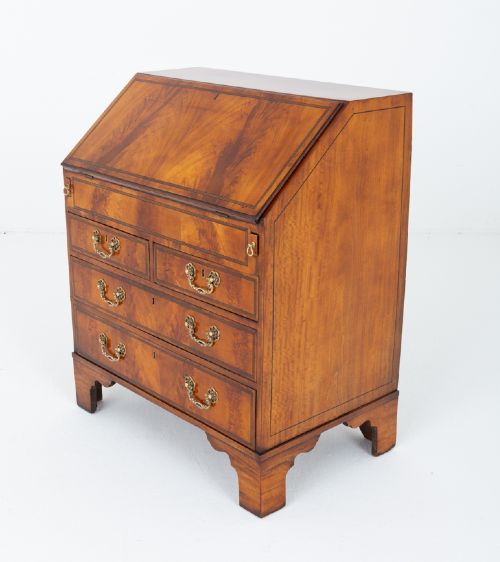
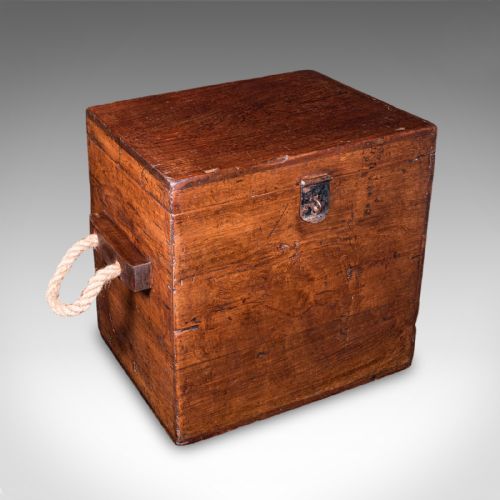
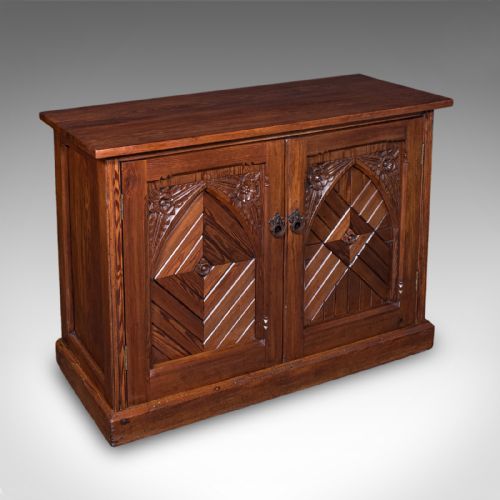
An English wooden chest spans centuries of domestic storage, appearing here primarily as robust oak coffers, heavy chests of drawers, and smaller document boxes. These forms range from early 17th century joined coffers to Georgian mahogany chests of drawers and Victorian country pine trunks.
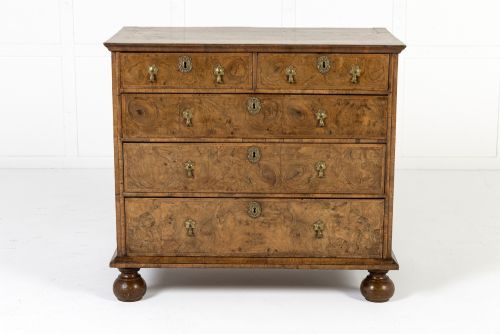
Buyers seeking an English wooden chest encounter both primitive jointed storage and refined cabinet work. The selection leans heavily toward sturdy oak pieces from the 17th and 18th centuries alongside figured mahogany and walnut examples from the Georgian and Regency periods.
The category encompasses simple blanket boxes, mule chests fitted with lower drawers, and multi-drawer storage cabinets. Each type reflects the domestic requirements of its period, from simple agrarian storage to formal bedroom and parlour organisation.
How they were made
Joiners and cabinetmakers relied on solid timbers such as oak, mahogany, walnut, and pine, often joined with pegged mortise and tenon joints in early pieces. Later pieces utilise dovetail construction for drawer frames and carcases, paired with secondary woods like pine or oak.
Surface treatments range from simple wax finishes on waxed kitchen dressers and country pine trunks to polished mahogany veneers and crossbanded walnut. Iron hinges, brass swing handles, and occasionally Bramah locks provide the functional hardware integrated into the woodwork.
English Wooden Chest Retail Price Guide 2026
Typical asking prices for english wooden chest among the pieces listed under this phrase on Sellingantiques today, from the lower quarter to the upper quarter. They describe what is for sale here now, not the wider market.
Storage forms range from early joined oak coffers and bible boxes to Regency bowfront chests of drawers and Victorian maritime decanter cases.
What varies in quality
The standard of timber selection and figure dictates the visual presence of a piece, separating plain utility items from highly figured mahogany or burr walnut examples. Grain orientation, matching veneers, and the depth of natural patination accumulated over centuries define the visual weight of the surface.
Structural integrity depends on the original joining methods, the preservation of original hardware such as brass handles and locks, and the tightness of dovetails in drawer construction. Pieces retaining their initial boarded lids, floorboards, and period feet hold greater integrity than heavily altered examples.
The English Wooden Chest Glossary
- Coffer
- A heavy wooden chest, typically constructed from oak with panelled sides and a hinged lid, used historically for storing valuables and textiles. Early examples often feature carved decoration and joined framing.
- Mule chest
- An oak or walnut storage chest featuring one or more drawers built into the base beneath the main compartment. This form bridges the gap between the traditional coffer and the modern chest of drawers.
- Dovetail
- A joint used to secure drawer corners, formed by interlocking wedge-shaped fingers. Hand-cut dovetails are a hallmark of traditional cabinetmaking prior to machine production.
- Crossbanding
- A border of veneer laid around the edges of a surface with the grain running perpendicular to the main panel. This decorative technique frames the primary timber, commonly seen on walnut and mahogany furniture.
- Bowfront
- A curved cabinet front where the central section swells outward in a convex arc. This style appears frequently on Georgian and Regency mahogany chests of drawers.
English Wooden Chest: Frequently Asked Questions
How do I care for an old oak chest?
Keep wooden storage pieces away from direct heat sources and sudden humidity changes to prevent the timber from splitting or warping.
Apply a traditional beeswax polish occasionally to nourish the grain and maintain the protective finish on the surface.
Where were these chests used in the home?
Early coffers and trunks were placed in halls, bedchambers, and churches to secure garments, linens, and documents.
Later chests of drawers and bowfronts moved primarily into bedrooms and parlours as domestic privacy and dedicated bedroom furniture evolved.
How can I tell the period of a chest?
Examine the construction methods, tool marks, and timber choices, noting that 17th century pieces utilise pegged frame and panel construction in oak.
Later 18th and 19th century examples introduce mahogany, dovetailed drawer boxes, and applied veneers typical of Georgian and Victorian workshops.
What is the difference between a coffer and a chest?
A coffer strictly refers to a joined wooden box with a lid, often panelled and associated with the 17th century and earlier.
A chest can encompass a broader range of forms, including multi-drawer units and blanket trunks produced well into the Victorian era.