



English Wood Treen
English wood treen consists of utilitarian turned and carved objects that bring functional domestic history into modern rooms.
English Wood Treen
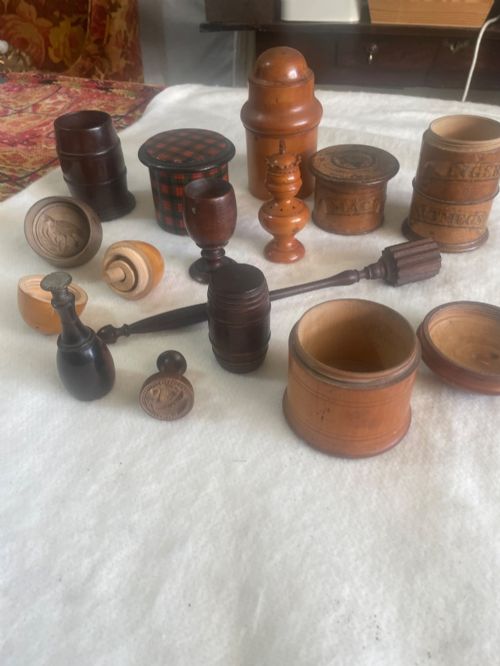
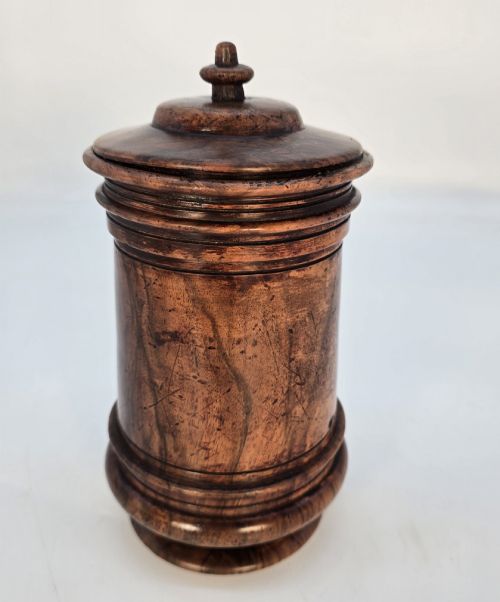
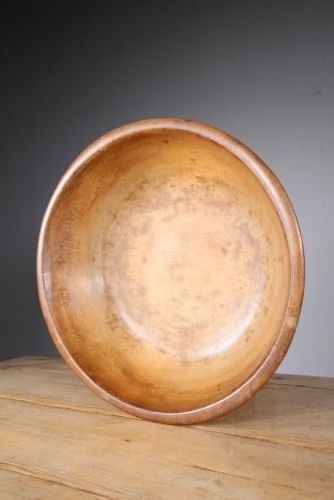
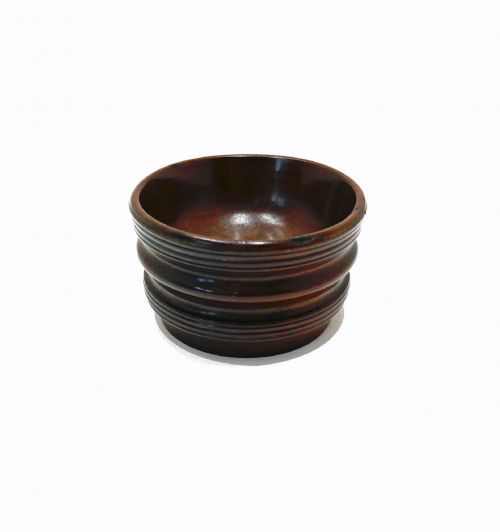
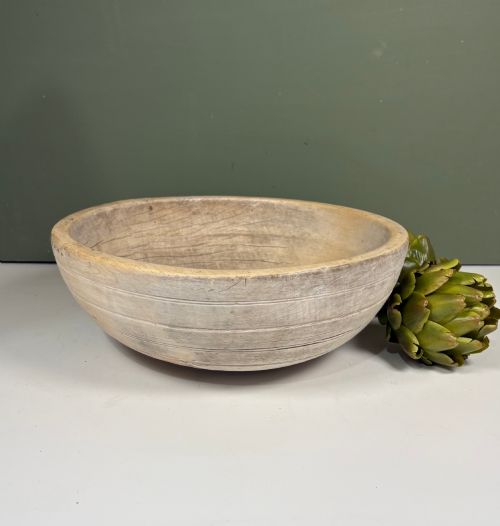
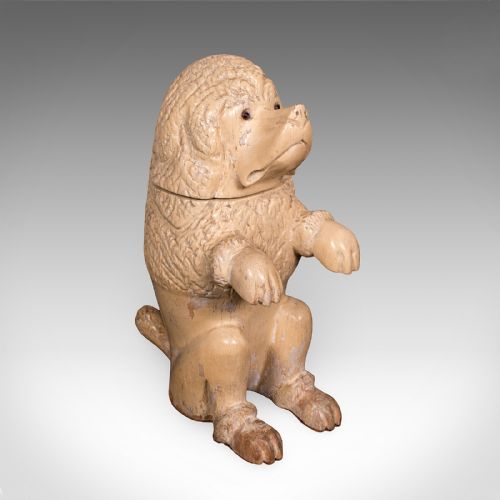
English wood treen encompasses everyday domestic objects shaped from timber, ranging from dairy bowls and spice towers to knitting sheaths and tobacco jars. These utilitarian pieces served households for centuries before finding a place in modern collections.
The objects on this page span the seventeenth through the early twentieth centuries, capturing shifts in domestic life from rural farmhouses to town houses. Sycamore, yew wood and fruitwood dominate the selection, shaped on lathes or carved by hand for specific household tasks.
Materials and Craftsmanship
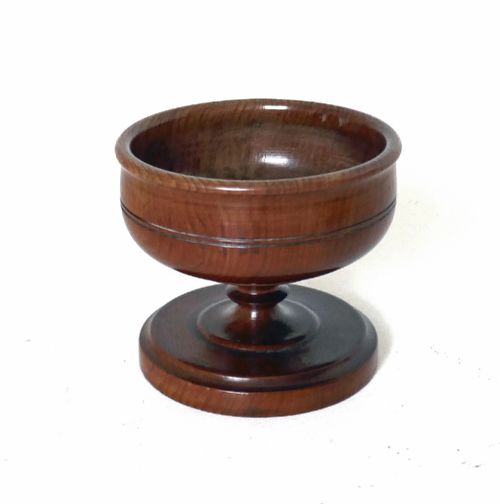
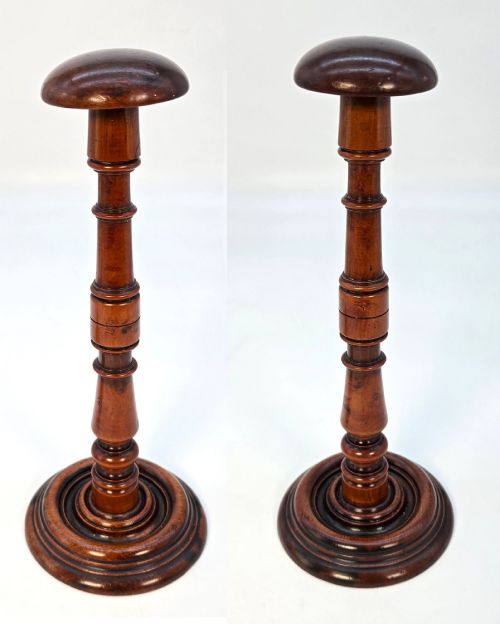
Craftsmen utilised native hardwoods such as sycamore, boxwood, laburnum, yew and fruitwood, selecting each timber for its density and grain structure. Turned pieces relied on the lathe to create balanced vessels, spice grinders and stems.
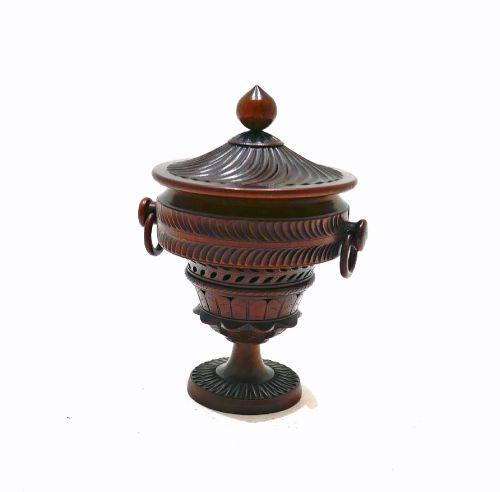
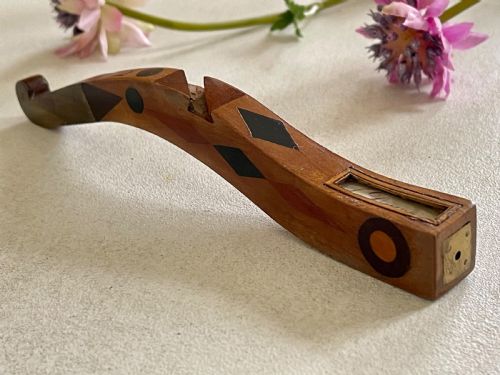
Detailing often involved incised line decoration, punchwork or inlaid geometric patterns in contrasting materials. Surfaces were left plain or treated to decades of handling, developing a natural warmth through daily use.
English Wood Treen Retail Price Guide 2026
Typical asking prices for english wood treen among the pieces listed under this phrase on Sellingantiques today, from the lower quarter to the upper quarter. They describe what is for sale here now, not the wider market.
Listings feature items from the seventeenth, eighteenth and nineteenth centuries, alongside Edwardian pieces.
Assessing Quality and Character
Quality rests in the crispness of the turning and the integrity of the original form, whether in a tall spice tower or a small butter print. Superior examples retain their structural balance without heavy timber shrinkage or crude later repairs.
The depth of the surface patina dictates visual appeal, as decades of handling impart a warm glow to the hardwood. Objects showing crisp tool marks and well-defined decorative carvings command greater attention from collectors.
The English Wood Treen Glossary
- Treen
- Small handmade wooden domestic objects. The term derives from old English and covers everything from kitchen utensils to personal accessories.
- Spice tower
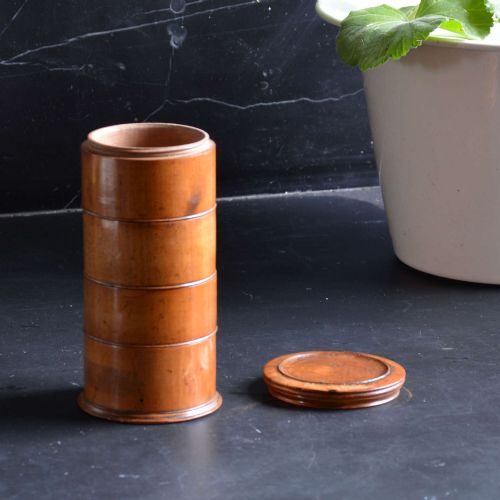
- A multi-tiered turned wooden vessel used for storing culinary spices. These modular pieces unscrew to reveal individual compartments.
- Knitting sheath
- A carved wooden holder tucked into a belt or apron to steady a knitting needle. They frequently feature intricate punchwork and incised geometric designs.
- Dairy bowl
- A large shallow wooden vessel used in butter and cheese making. Sycamore was preferred for these bowls because it imparted no taste or colour to dairy products.
- Patina
- The surface sheen and colour developed by wood over centuries through handling, light and waxing. A good patina indicates genuine age and regular use.
English Wood Treen: Frequently Asked Questions
How were treen items used?
These wooden objects served practical functions in kitchens, dairies and parlours. Items like spice towers held seasonings, while dairy bowls processed milk and butter.
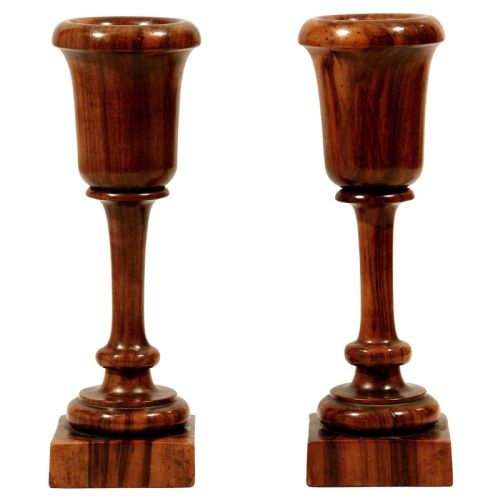
Other pieces had personal uses, such as knitting sheaths for textile work or spill vases for holding tapers near a hearth.
How do I date antique treen?
Dating relies on timber selection, tool marks left by lathes or hand knives, and overall design characteristics. Seventeenth and eighteenth-century pieces often display heavier proportions and simpler turned lines.
Later nineteenth-century examples incorporate more varied decorative techniques like punchwork and inlay. Comparing known comparative examples helps narrow down the decades of manufacture.
How do I care for wooden treen?
Wooden treen requires stable indoor humidity away from direct heat sources and strong sunlight. These environmental controls prevent the timber from drying out and cracking.
A light application of traditional wax preserves the surface patina without sealing the wood. Gentle dusting with a dry cloth keeps the surface clean.