

English Wood Mirror
An English wood mirror brings warmth and reflection to a room, ranging from grand overmantels to intimate dressing glasses.
English Wood Mirror
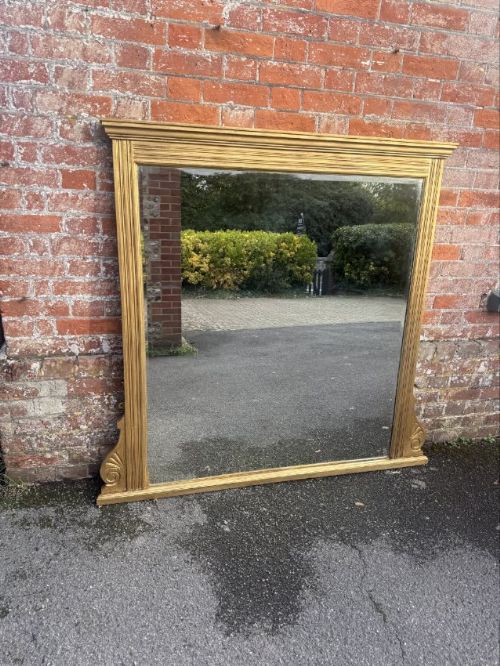
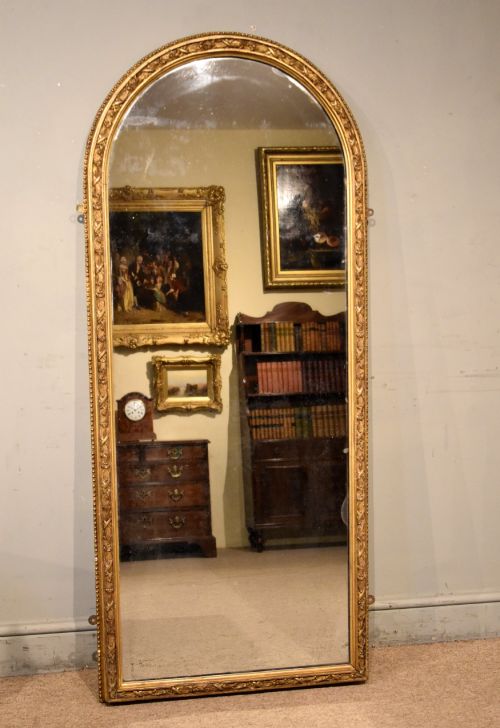
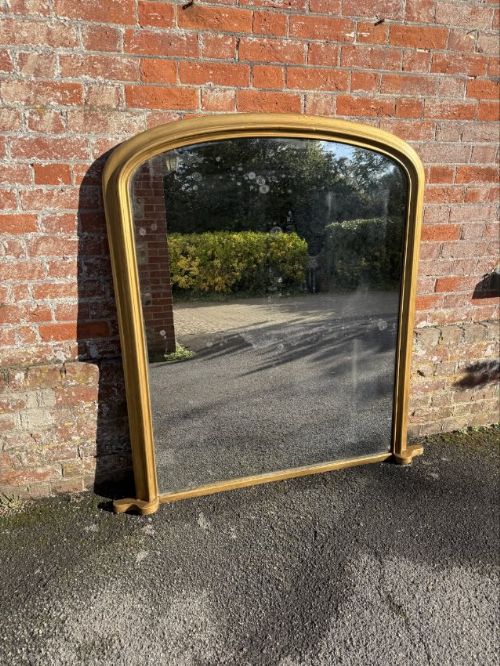
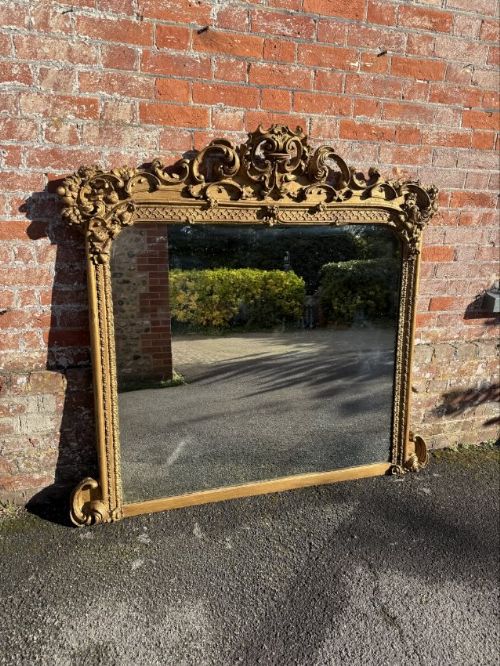
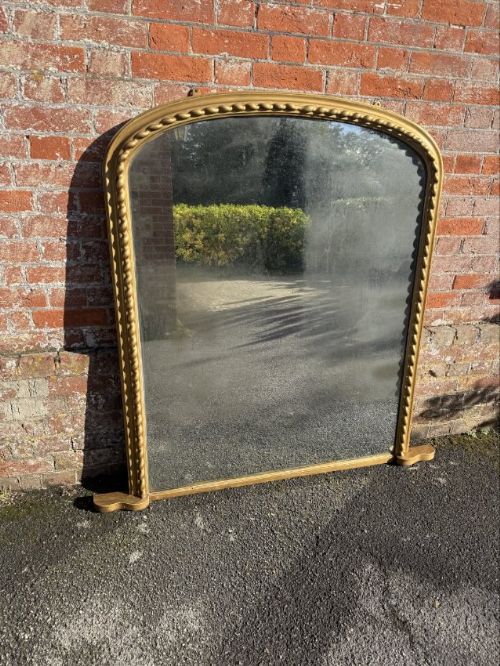
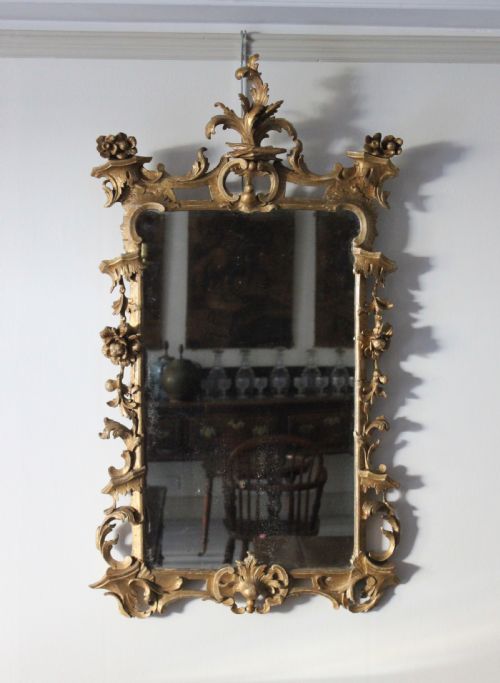
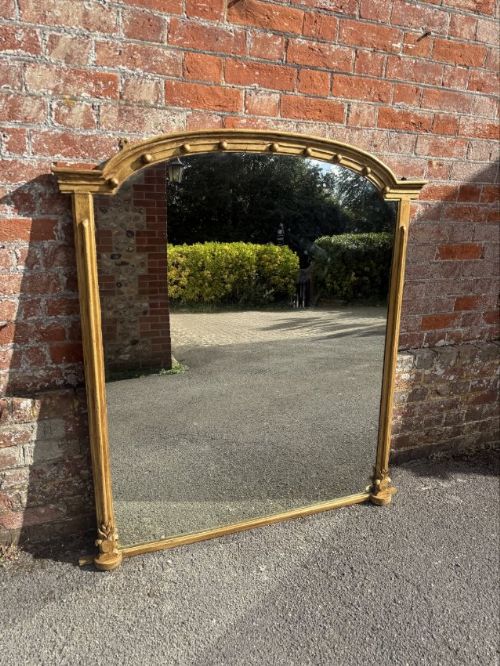
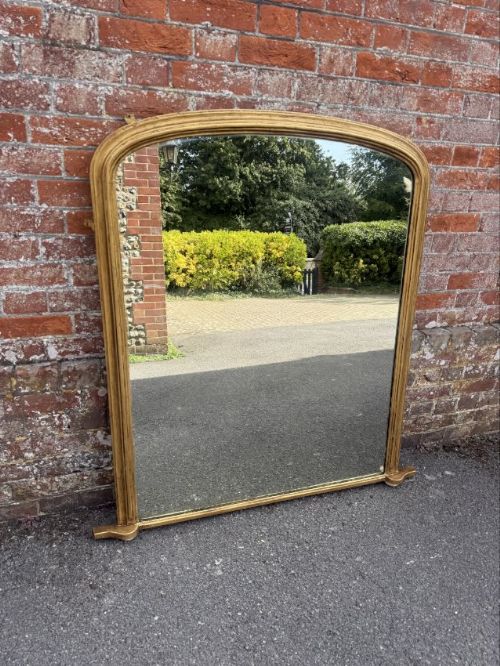
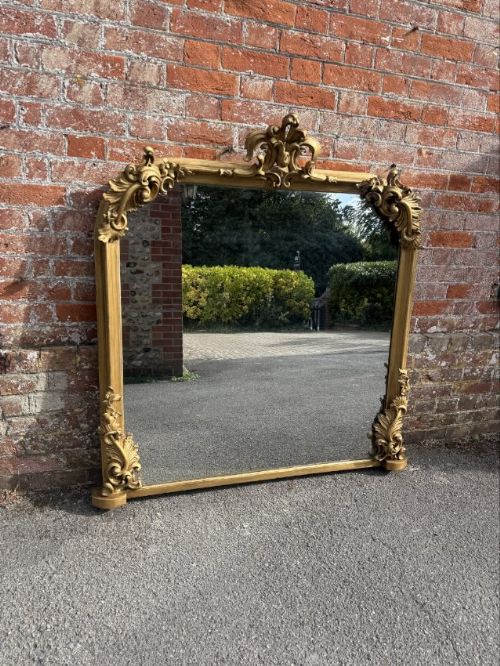
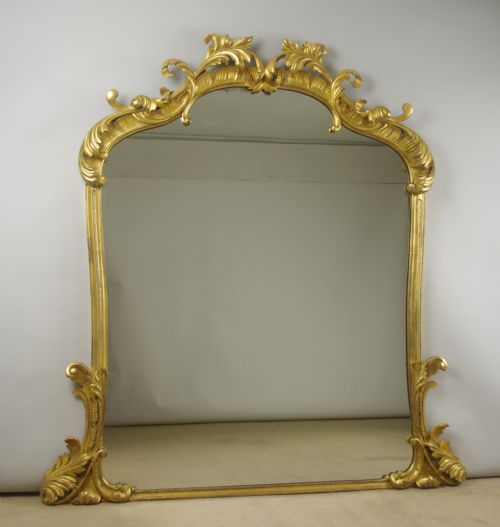
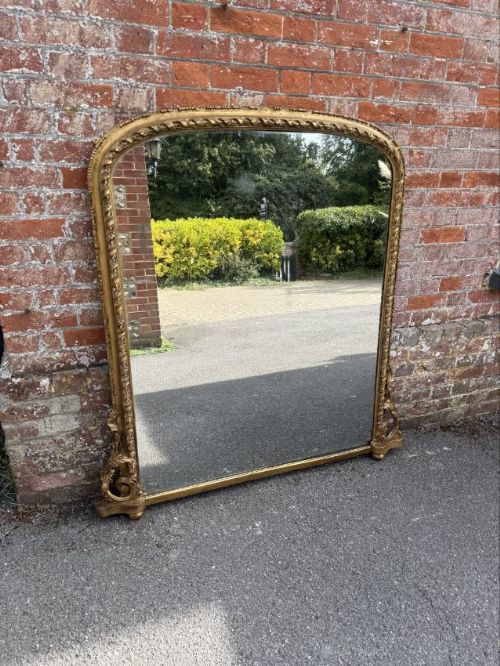
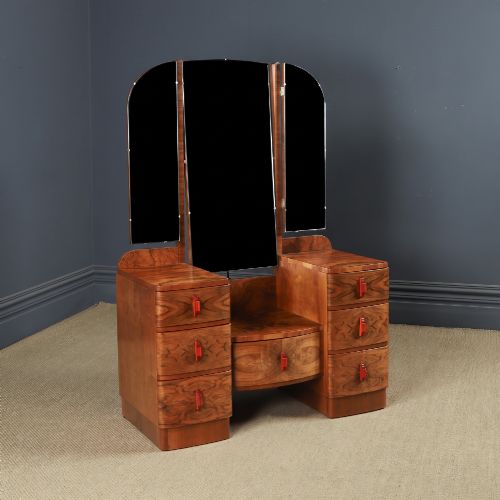
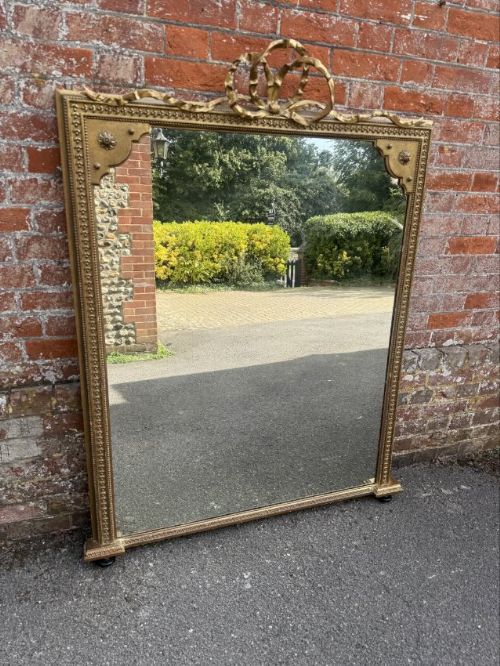
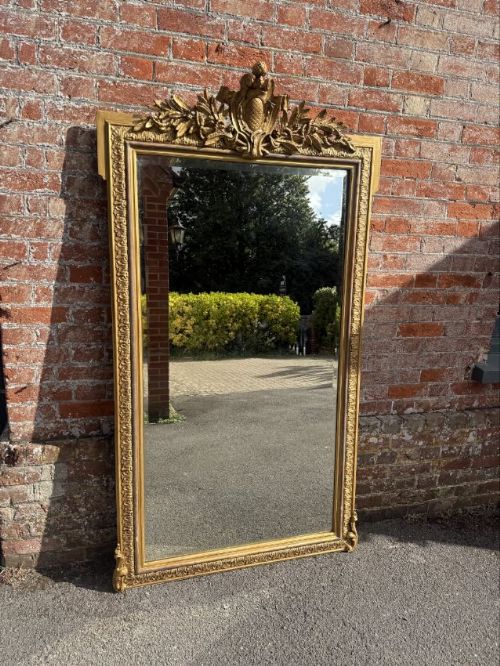
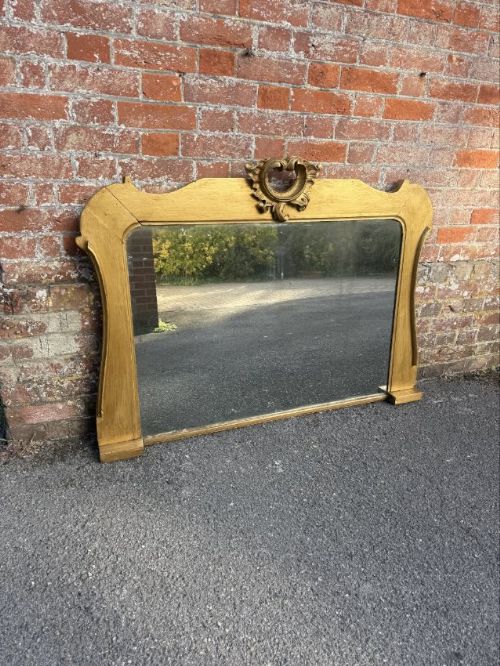
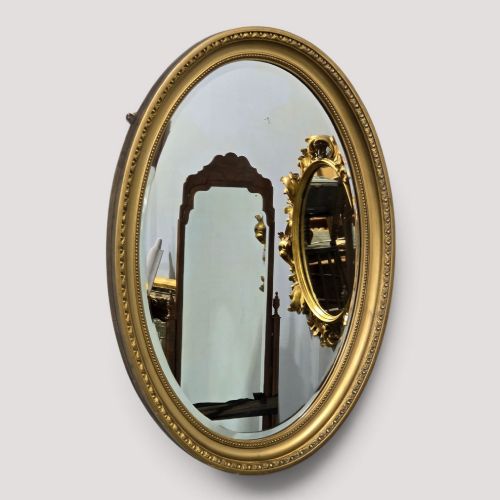
When you search for an english wood mirror, you encounter a variety of forms shaped by centuries of domestic craft. Overmantel mirrors and wall mirrors dominate the selections, alongside occasional cheval mirrors and dressing tables.
The pieces span periods from Georgian and Regency eras through Victorian, Edwardian, and Art Deco designs. Victorian examples with carved wood and gesso arched tops appear frequently among the listings.
How they were made
Carpenters and joiners utilised native and imported timbers, including mahogany, walnut, oak, and satin birch, shaping solid frames and applying veneers. Carved wood details often received layers of gesso to build up intricate relief patterns before gilding with gold leaf.
Glass plates were silvered and fitted into frames, sometimes showing foxing from age, while larger overmantel and pier mirrors required sturdy structural joinery to support heavy reflective glass.
English Wood Mirror Retail Price Guide 2026
Typical asking prices for english wood mirror among the pieces listed under this phrase on Sellingantiques today, from the lower quarter to the upper quarter. They describe what is for sale here now, not the wider market.
Materials recorded on this page include mahogany, walnut, oak, satin birch, gesso, and gold leaf.
What varies in quality
The refinement of the carved ornament separates pieces of higher ambition from simpler utilitarian items. Crispness in the gesso moulding and the depth of the wood carving indicate the hand of a skilled artisan.
Originality of components, such as the survival of early mirror glass plates and first gilding, determines the integrity of the object. Heavier architectural frames show greater structural ambition in their construction.
The English Wood Mirror Glossary
- Gesso
- A plaster-like material applied to wood frames to create a smooth surface for carving or gilding. It allows for crisp ornamental details.
- Giltwood
- Wood that has been coated with thin sheets of gold leaf. This finish provides a bright reflective surface popular in formal interiors.
- Overmantel Mirror
- A large mirror designed to hang above a fireplace mantel. These pieces often feature arched tops to match architectural proportions.
- Cheval Mirror
- A freestanding full-length mirror mounted in a frame that allows the glass to swing. They were standard fixtures in bedrooms and dressing rooms.
- Pier Mirror
- A tall mirror designed to hang on the wall space between two windows. They frequently matched console tables placed below them.
English Wood Mirror: Frequently Asked Questions
Where should an overmantel mirror be hung?
These large mirrors are traditionally placed directly above a fireplace mantelpiece to reflect light and fill vertical wall space. They anchor the room visually and serve as a focal point.
Securing them requires robust wall fixings due to the combined weight of the wood, gesso, and thick glass plate.
What is the difference between a pier mirror and a wall mirror?
Pier mirrors are specifically proportioned to fit the narrow wall space between windows, known historically as the pier. Standard wall mirrors are designed for general placement across various room layouts.
Both forms utilise wooden frames, but pier mirrors often feature elongated vertical dimensions.
How do you care for antique giltwood frames?
Giltwood surfaces require gentle dusting with a soft, dry cloth to remove particles without disturbing delicate gold leaf layers. Moisture and modern cleaning chemicals can damage the underlying gesso and metal.
Keeping the mirror away from direct sunlight and damp environments preserves the original finish.
How do you identify a Regency period mirror?
Regency mirrors often display neoclassical influences, including architectural motifs, columns, and giltwood finishes. The framing reflects the formal aesthetic of the early nineteenth century.
Construction details such as timber choice and mirror plate thickness help confirm the period.