


English Wingback Reading Chair
An English wingback reading chair offers deep comfort and draught-proof shelter, making it the definitive fireside seat for a traditional interior.
English Wingback Reading Chair
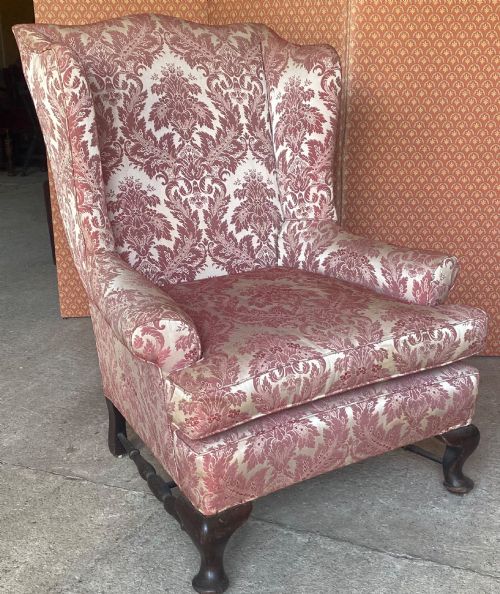
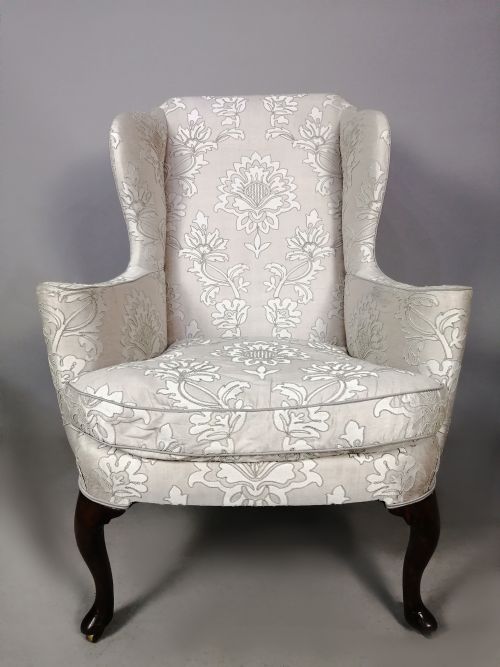
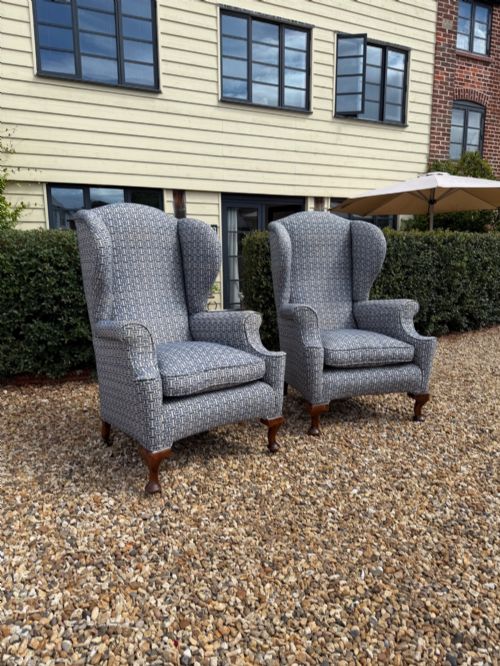
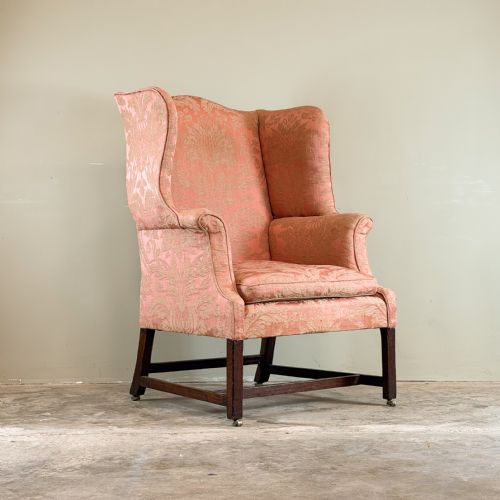
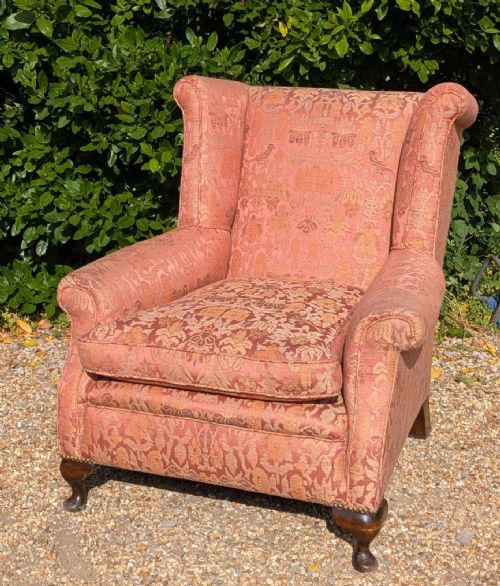
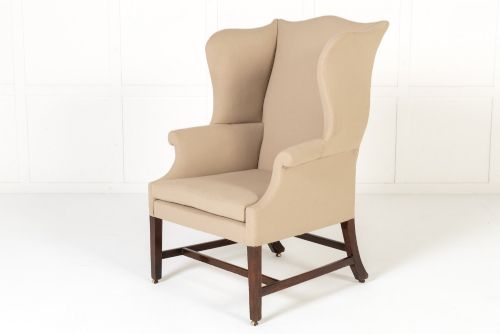
The English wingback reading chair is a substantial upholstered armchair designed to shield the sitter from draughts while retaining heat from the fire. These seating forms emerge across multiple periods, with nineteenth-century examples and eighteenth-century Georgian originals dominating the selection.
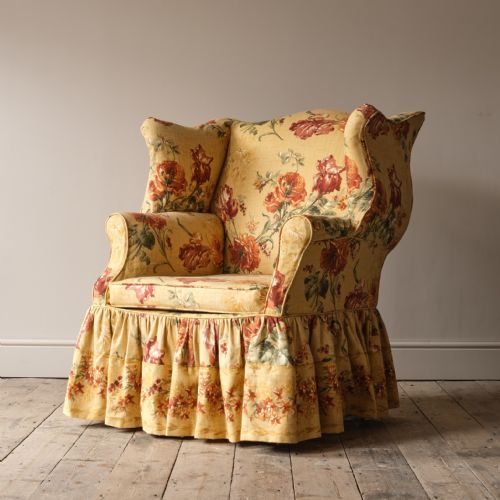
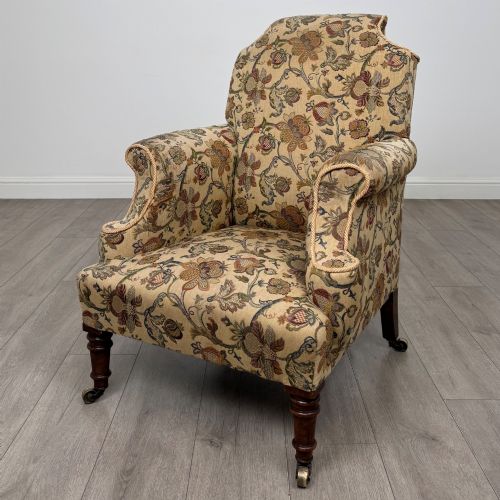
Buyers will encounter generous proportions and deep seats intended for prolonged reading sessions. Forms range from traditional high-backed wing chairs to barrel back variants and Howard style interpretations, all sharing the protective side panels known as wings.
Origins span formal Georgian drawing rooms to relaxed English country house settings, reflecting shifts in domestic comfort over several centuries. The presence of carved mahogany frames or simpler timber structures dictates the formal register of each piece.
Distinguishing Quality
Quality reveals itself in the architectural balance of the wings and the integrity of the underlying timber frame. Superior examples maintain crisp carving on exposed mahogany or walnut legs, whereas lesser pieces show softer lines and simpler internal construction.
The scale of the armchair and the depth of the proportions dictate the visual presence of the piece within a room. Master upholsterers ensured the spring tension and feather filling provided enduring support without sagging.
The wings were originally designed to trap fireplace heat and keep ears warm, proving that historic furniture engineering was essentially wearable-blanket technology.
Howard & Sons
The English Wingback Reading Chair Glossary
- Wingback
- An armchair featuring protective side panels attached to the arms and back to block draughts. This signature silhouette defines the entire category.
- Barrel Back
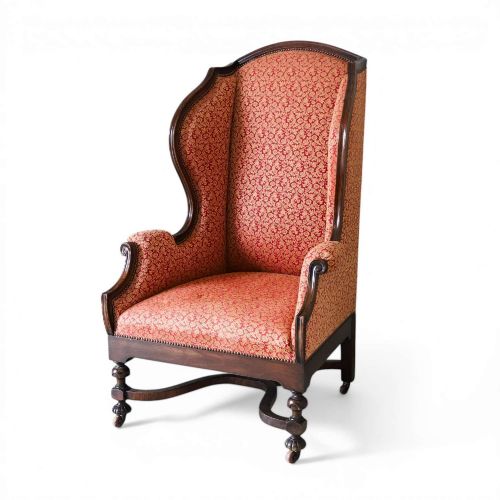
- A seating variant where the upholstered back curves continuously into the arms in a semicircular embrace. This form offers heightened cocooning comfort.
- Carolean Style
- A decorative aesthetic drawing upon late seventeenth-century design motifs, characterised by rich carving and scrolled woodwork. Examples on this page adapt these earlier revivals into nineteenth-century frames.
- Howard Style
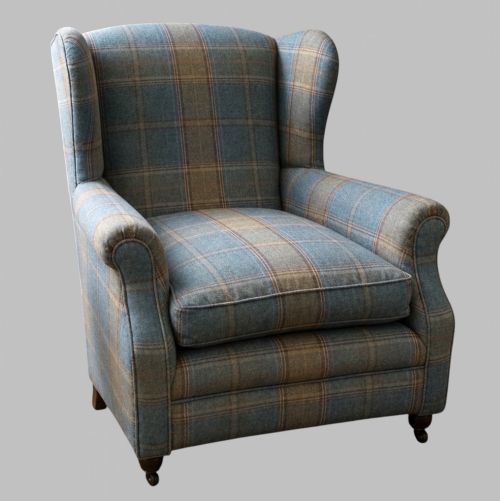
- A nineteenth and twentieth-century upholstery design known for deep, sprung comfort and understated elegance. These chairs prioritise relaxed domestic luxury over rigid formality.
- Calico Stage
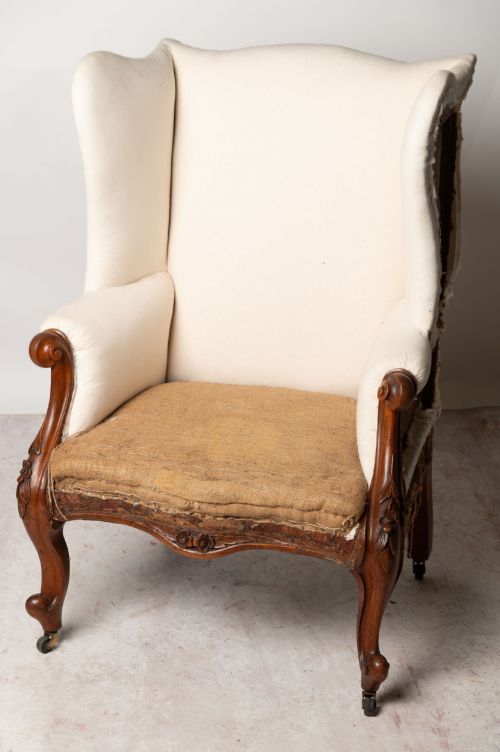
- The intermediate upholstery phase where unbleached cotton covers the internal stuffing before final top fabric is applied. This allows a buyer to select custom upholstery.
English Wingback Reading Chair: Frequently Asked Questions
How do I date a wing chair?
Dating relies on examining the timber frame, stretcher arrangement, and leg geometry under the upholstery. Earlier eighteenth-century pieces often display hand-shaped internal webbing and timbers distinct from later nineteenth-century revival models.
Secondary clues include the profile of the wings and the rake of the back legs. Comparing these structural traits against known period exemplars clarifies the date of manufacture.
Were these chairs used only for reading?
While named for reading, these seats served varied domestic functions centred on warmth and seclusion in draughty historic houses. The enclosed wings trapped heat from the hearth, making them ideal for resting, conversing, or nursing.
Over time, they migrated from formal libraries and drawing rooms into bedrooms and intimate parlours. Their robust construction suited daily domestic life across multiple centuries.
How should I care for leather upholstery?
Historic leather requires gentle cleaning with specialised saddle soaps and regular conditioning to prevent the hide from drying and cracking. Avoiding direct sunlight and intense heat sources preserves the natural suppleness of the material.
Proper maintenance safeguards the patina built up over decades of use. Gentle dusting with a dry cloth prevents abrasive particles from wearing the finish.
What is the difference between Georgian and Victorian wings?
Georgian wing chairs generally exhibit lighter proportions, restrained carving, and restrained cabriole or straight legs. They date from the eighteenth century and embody the architectural balance of that era.
Victorian interpretations tend to be heavier in scale, often incorporating revival styles like the Carolean or Rococo. These nineteenth-century variants frequently feature more exuberant carving and deep buttoned upholstery.