


English Walnut Side Table
An English walnut side table brings warmth and rich grain to a room, functioning as a practical surface rooted in centuries of cabinetmaking tradition.
English Walnut Side Table
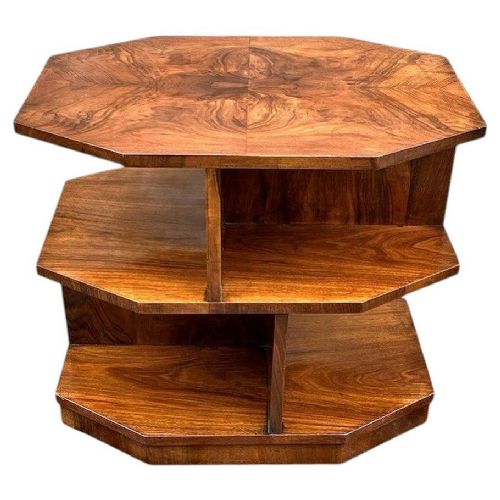
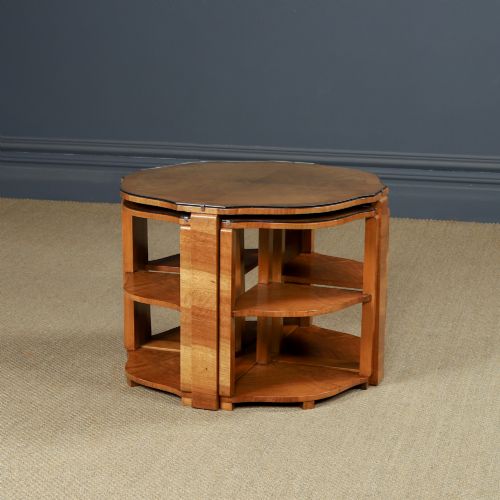
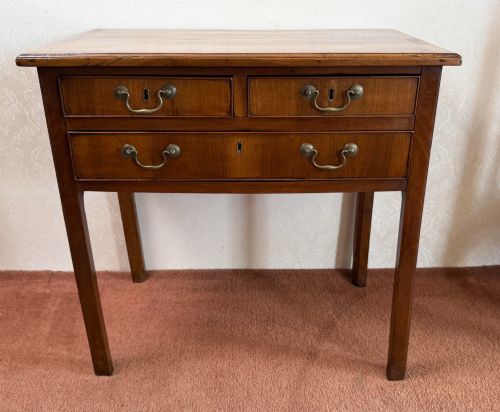
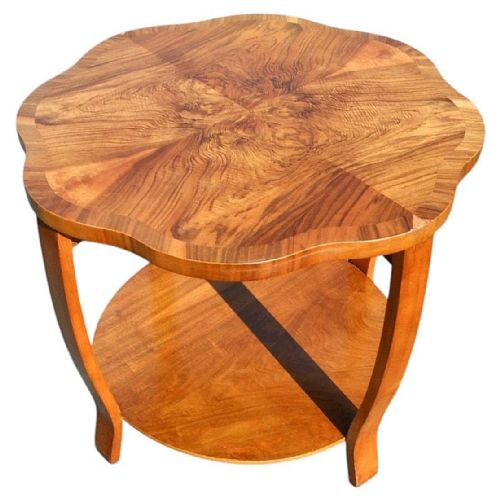
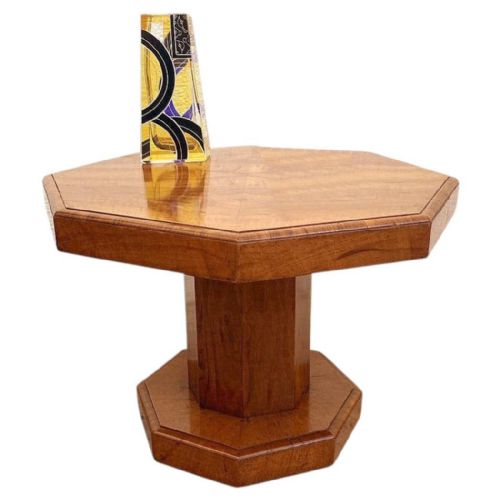
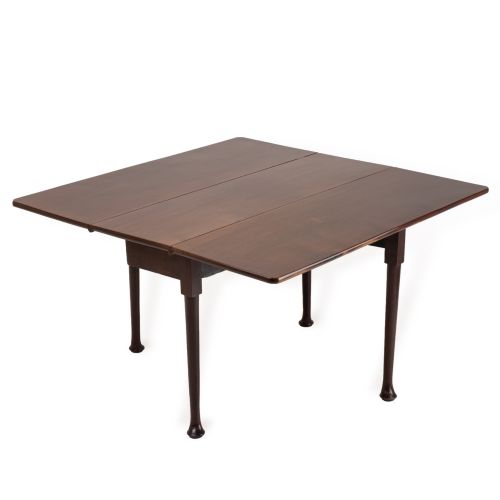
An English walnut side table spans centuries of design, appearing in formats from 18th-century lowboys with multiple drawers to 20th-century Art Deco occasional pieces. The inventory on this page ranges widely across periods, including Georgian examples, Victorian iterations, and streamlined 1930s creations.
Buyers seeking this phrase frequently encounter compact coffee tables, lamp tables, and bedside cabinets alongside traditional lowboys. These pieces served diverse domestic functions historically, acting as writing surfaces, dressing tables, or stands for lamps and decorative objects.
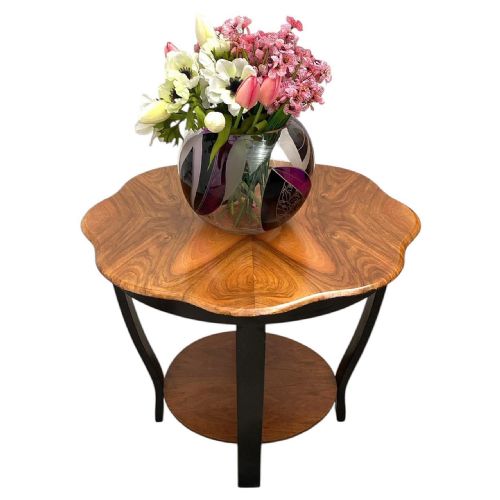
Origins trace across Georgian, Victorian, Edwardian, and Art Deco eras, demonstrating how cabinetmakers adapted the form for changing interiors. The enduring appeal lies in walnut timber, which provides both structural integrity and striking decorative surfaces.
Materials and Construction
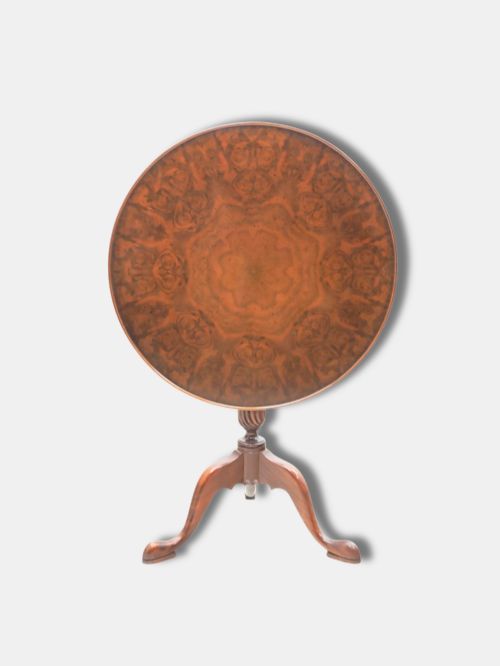
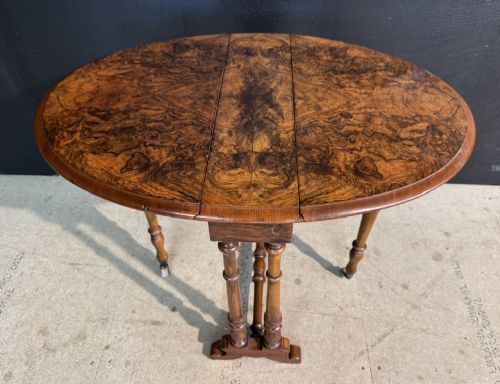
Makers utilised solid walnut alongside specialised veneers such as burr walnut and figured walnut to create intricate surface patterns. Wood inlay, marquetry, and oyster veneering added decorative complexity to tabletops, while secondary timbers like oak provided internal framing.
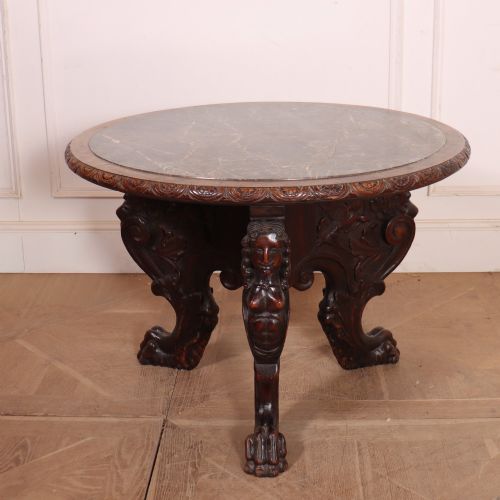
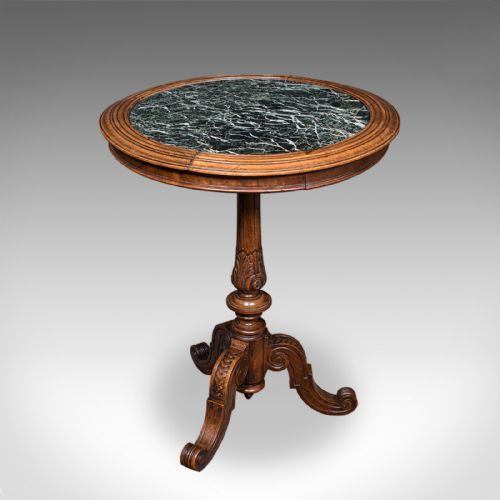
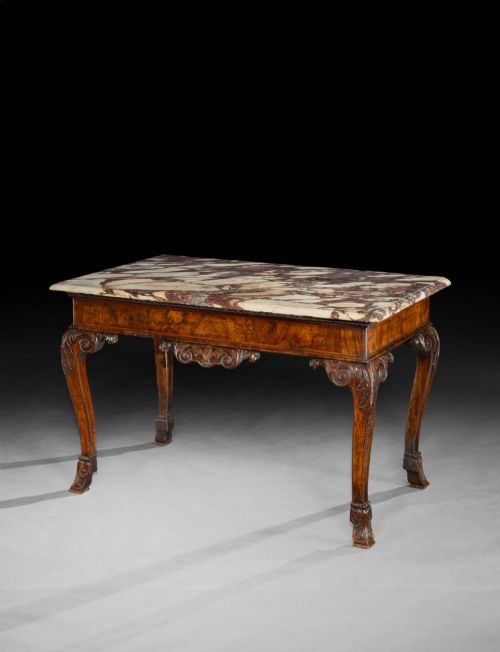
Structural elements frequently incorporated brass hardware, such as drawer pulls and castors, alongside marble tops on specific Victorian and later iterations. Joinery techniques varied from traditional dovetails in early drawer construction to the curved lines seen in later Art Deco and Queen Anne style revivals.
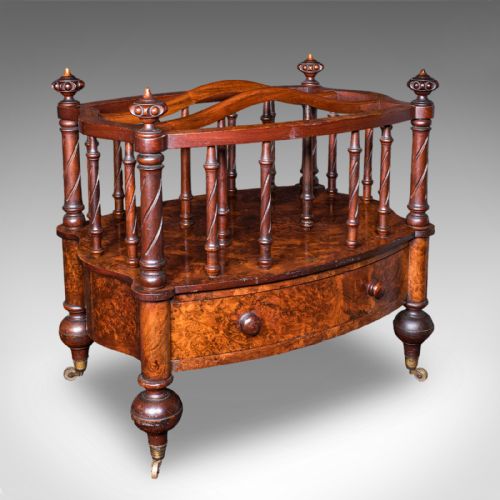
Some tables double as rotating novel libraries or hidden chess boards, proving Georgians and Edwardians took their leisure seriously.
Assessing Quality and Craftsmanship
The distinction between tiers rests upon the selection of the timber and the skill of the veneer work. Examples featuring matched burr walnut or detailed marquetry demonstrate a higher level of artisanal ambition than plain grain surfaces.
Construction methods and hardware integration also define the grade of a piece, from hand-dovetailed drawer linings to the precision of inlaid wood or chrome accents. Well-preserved patination and original brasses indicate a standard of survival and care through successive eras.
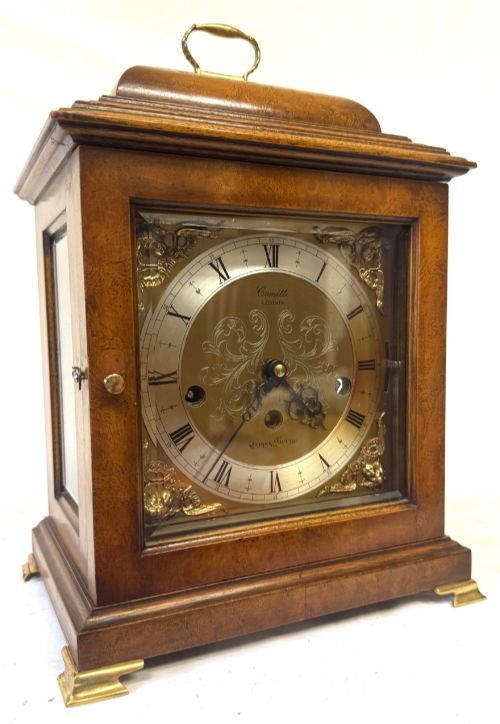
Comitti Of London·Hille·Waring & Gillow·Epstein
The English Walnut Side Table Glossary
- Lowboy
- A small table with drawers, typically originating in the 18th century, used as a side table or dressing surface.
- Burr Walnut
- Timber taken from a tree growth or knot, yielding intricate, swirling grain patterns highly valued for decorative veneer.
- Marquetry
- The art of applying pieces of veneer to a structure to form decorative patterns and pictures.
- Pie Crust
- A raised, carved tabletop edge resembling the crimped crust of a pastry pie, common on 18th-century and revival tilt-top tables.
- Tilt-Top
- A table mechanism allowing the top to pivot vertically for storage against a wall when not in use.
English Walnut Side Table: Frequently Asked Questions
What is an English walnut side table used for?
These tables function as versatile surfaces for lamps, drinks, or books in living spaces and hallways.
Historically, similar forms served as writing desks, dressing tables, or bedside stands depending on their height and drawer configuration.
How do I tell an 18th century lowboy from a later revival?
Eighteenth-century lowboys exhibit period-specific joinery, hand-cut dovetails, and natural timber patination developed over centuries.
Revival pieces from the Georgian Revival or Edwardian eras often display standardised construction methods and machine-cut elements while imitating earlier styles.
How do I care for walnut veneer surfaces?
Walnut benefits from protection against direct sunlight and excessive moisture to prevent fading and veneer lifting.
Regular dusting with a soft cloth and occasional application of appropriate furniture wax maintains the timber's natural lustre.
What distinguishes Art Deco walnut tables from Victorian ones?
Art Deco pieces from the 1930s embrace streamlined geometric forms, stepped tiers, and sometimes chrome or mirror accents.
Victorian and Edwardian versions tend to feature ornate carving, turned legs, pie-crust edges, or traditional marquetry inlay.