

English Victorian Table
An English Victorian table brings solid nineteenth-century timber and honest proportion to a room, offering daily utility built to endure.
English Victorian Table
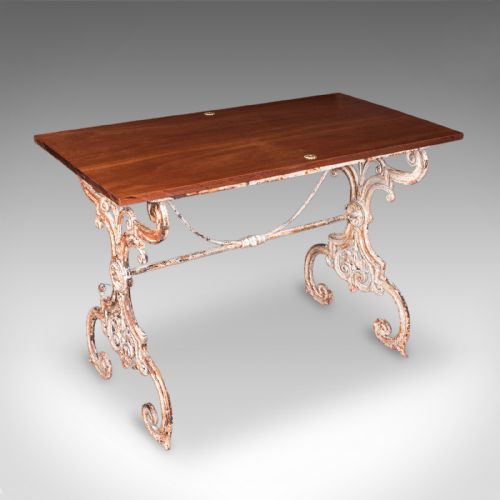
An english victorian table encompasses dining furniture, kitchen prep boards, and smaller occasional pieces produced during the nineteenth century.
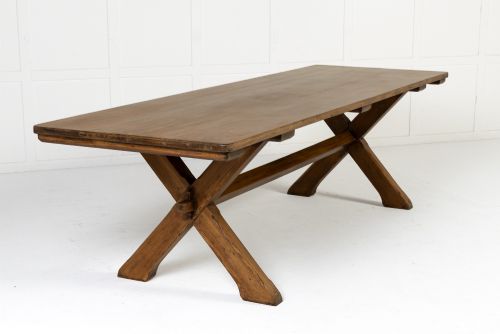
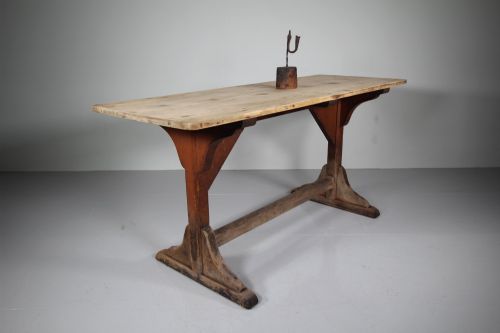
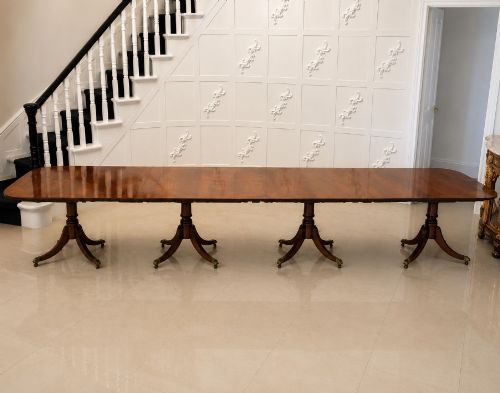
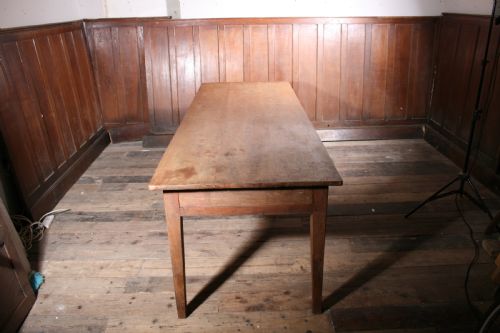
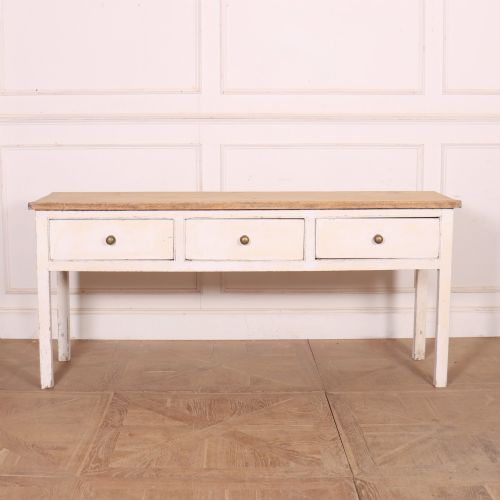
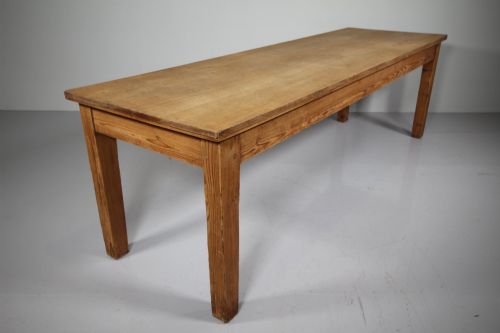
The selections span grand mahogany extending banquet designs alongside sturdy elm and pine farmhouse refectory boards.
Buyers frequently encounter mahogany extending dining tables alongside walnut coffee tables and smaller bedside variants.
Materials and Technique
Cabinetmakers utilised dense hardwoods like mahogany, walnut, and oak, often pairing them with softer pine or elm for structural foundations.
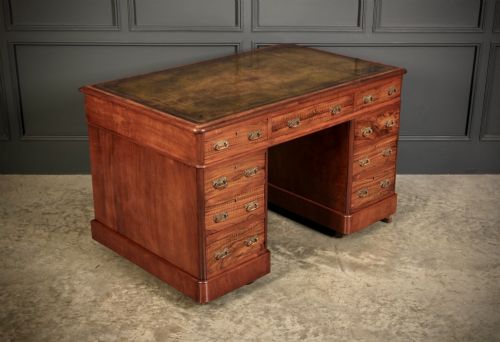
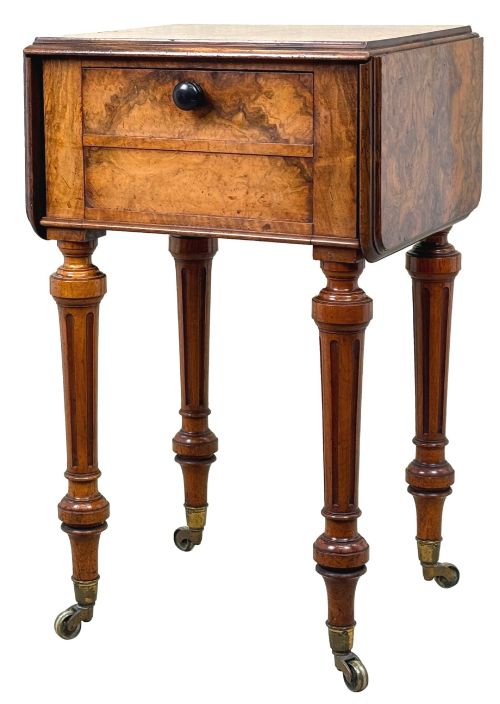
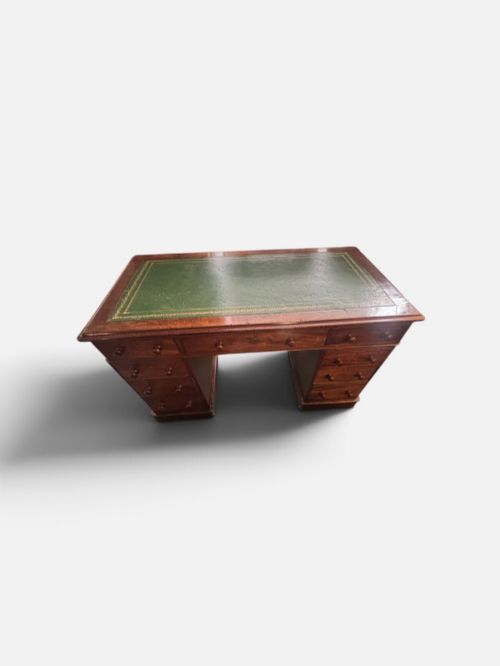
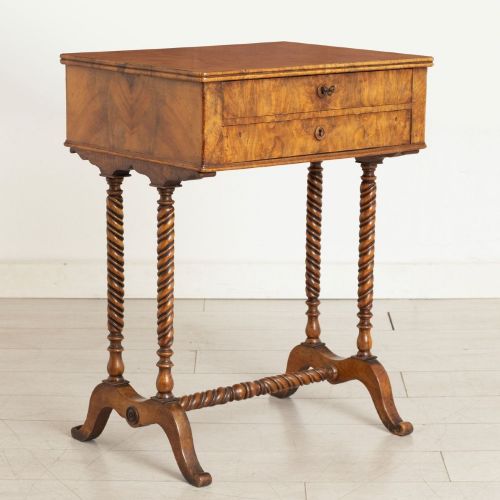
Veneers of burr walnut and birdseye maple appeared on refined writing desks and smaller occasional tables.
Joinery relied on traditional turned legs, pedestal bases, and substantial extension mechanisms built into the timber frames.
English Victorian Table Retail Price Guide 2026
Typical asking prices for english victorian table among the pieces listed under this phrase on Sellingantiques today, from the lower quarter to the upper quarter. They describe what is for sale here now, not the wider market.
Judging Quality
The standard of timber selection and the integrity of the underlying framing distinguish finer examples from standard utility pieces.
Subtle details such as turned leg profiles, original painted surfaces, and well-fitted extension leaves demonstrate higher workshop standards.
Mappin and Webb
The English Victorian Table Glossary
- Extending table
- A dining board fitted with internal mechanisms and removable leaves to adjust its overall length. This allows the surface to expand for large gatherings.
- Pedestal base
- A central column support rising from feet rather than traditional corner legs. This configuration provides extra legroom around the perimeter.
- Refectory table
- A long, narrow dining board traditionally used in communal halls. Nineteenth-century iterations often employ sturdy oak and pitch pine.
- Veneer
- A thin layer of decorative timber applied to a secondary wood foundation. Burr walnut and birdseye maple were frequently utilised in this manner.
- Occasional table
- A smaller secondary piece designed for specific domestic tasks such as reading, sewing, or holding lamps.
English Victorian Table: Frequently Asked Questions
How do I seat six people comfortably?
An english victorian table measuring around six feet in length typically accommodates six diners.
Consider the placement of pedestal bases or legs to ensure chairs slide underneath without obstruction.
How do extending mechanisms work?
Many nineteenth-century tables utilise wooden runners and drop-in leaves to expand the top.
Crank handles were sometimes employed to separate the sections before inserting additional timber panels.
Are pine tables suitable for kitchens?
Pine and elm farmhouse boards provide durable work surfaces suited to daily culinary preparation.
Natural timber grain accepts everyday wear while maintaining structural stability over decades of use.
How do I care for walnut veneer?
Protect delicate burr walnut and maple surfaces from direct sunlight and excessive moisture.
Regular dusting with a dry cloth preserves the polished finish without damaging the thin decorative timber layer.