





English Victorian Sideboard
An English Victorian sideboard brings solid nineteenth-century timber and generous dining-room storage into a modern home.
English Victorian Sideboard
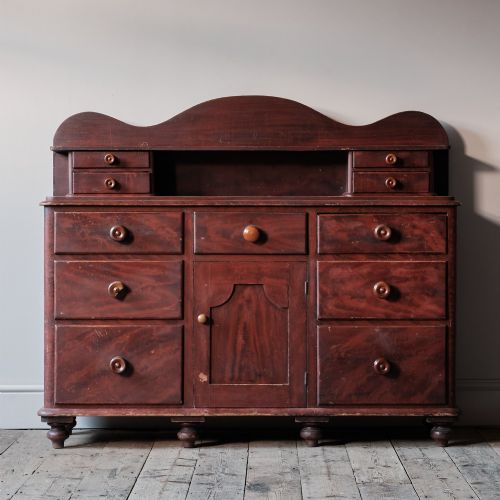
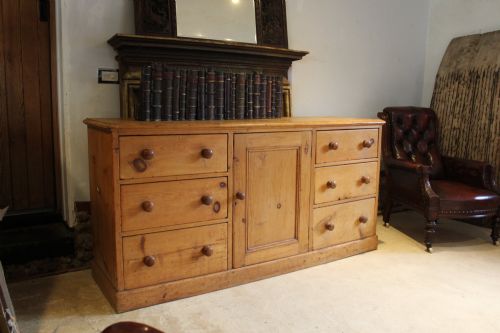
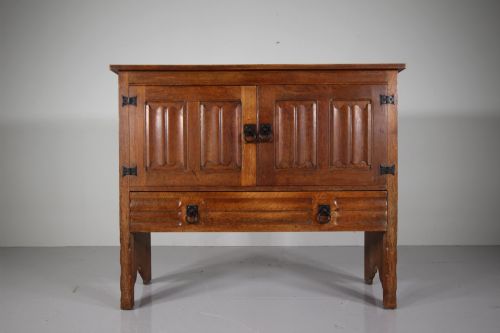
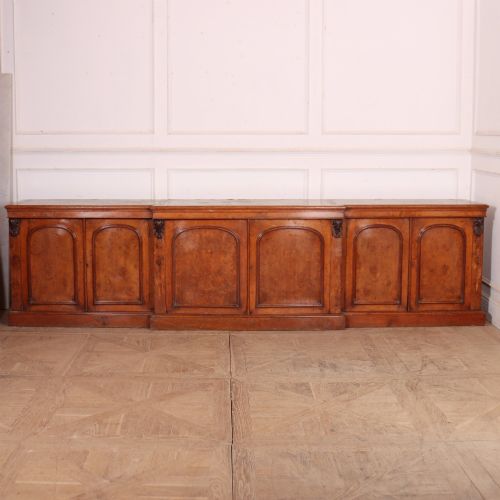
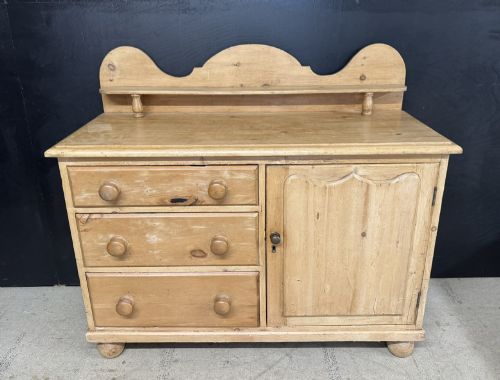
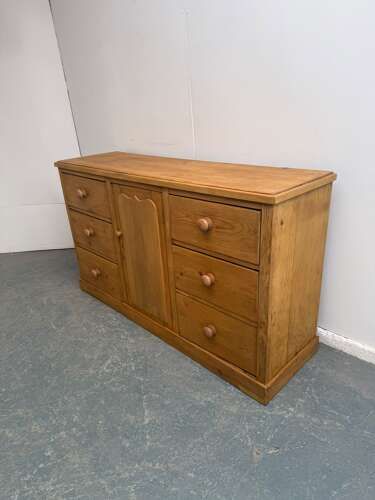
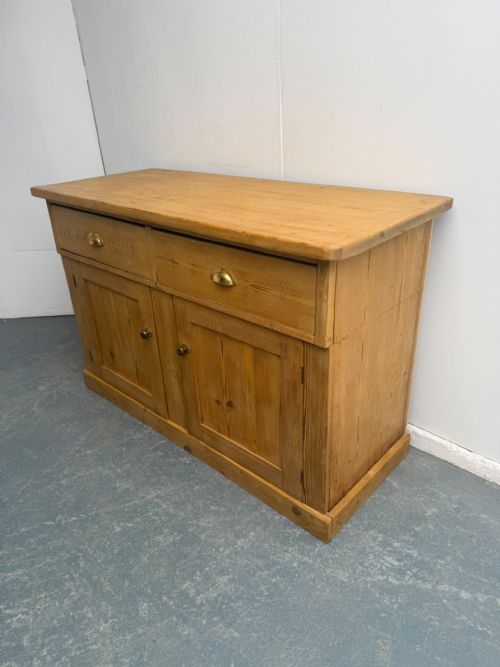
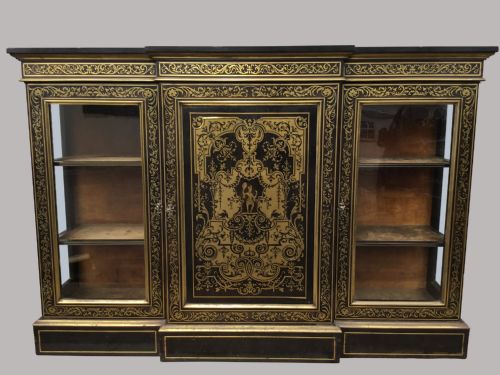
When searching for an english victorian sideboard, you encounter substantial nineteenth-century dining furniture designed for serving food and storing silver, linen, or crockery. The pieces appearing here span specific nineteenth-century iterations, including buffet sideboards with top shelves, breakfront cabinets, and serving tables from the Victorian era.
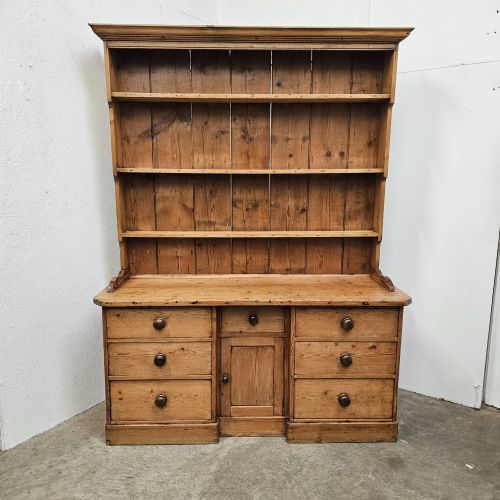
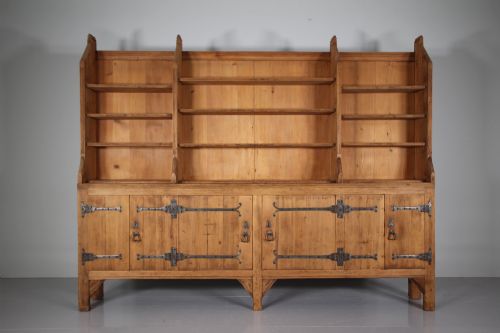
Beyond standard dining pieces, the selection incorporates related forms such as oak dresser bases, pine kitchen dressers, and walnut credenzas sharing the same period workshop origins. These utilitarian and formal items reflect the diverse domestic requirements of nineteenth-century English households, ranging from country houses to urban townhouses.
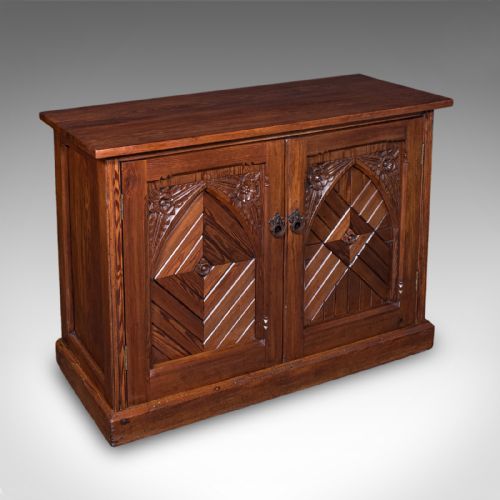
The dominant aesthetic unites heavy timber construction with period revival details, showing how nineteenth-century cabinet makers drew on Gothic, Jacobean, and classical precedents. Buyers seeking these items want functional antique furniture that anchors a room with architectural presence and historical depth.
Materials and construction methods
Cabinet makers relied heavily on robust native and imported timbers, utilising oak, mahogany, walnut, and pine across different regional workshops. Finer formal pieces often featured burr walnut or figured veneers, whilst provincial kitchen furniture and dresser bases depended on solid pine and oak for daily durability.
Decorative surface techniques defined the period output, incorporating hand carving, painted finishes, Tunbridgeware inlay, and Boulle work alongside polished wood surfaces. Hardware and structural details frequently incorporated brass handles, iron fittings, and glass doors to complete the cabinetry.
English Victorian Sideboard Retail Price Guide 2026
Typical asking prices for english victorian sideboard among the pieces listed under this phrase on Sellingantiques today, from the lower quarter to the upper quarter. They describe what is for sale here now, not the wider market.
The furniture styles span standard Victorian, Gothic Revival, Arts and Crafts, and Jacobean Revival periods across multiple regional workshops.
Markers of quality and craftsmanship
Superior examples distinguish themselves through the selection of timber figures, such as pollard oak or figured walnut, matched carefully across doors and drawer fronts. The crispness of hand-carved details and the precision of marquetry or inlay work separate ambitious cabinet pieces from utilitarian utility furniture.
Structural integrity and the retention of original surfaces govern the standing of each piece, distinguishing items that retain their authentic waxed finishes or painted skins from later alterations. The sophistication of internal carcase construction and the retention of original hardware complete the distinction between standard workshop output and exceptional cabinet work.
Lamb of Manchester·Mappin and Webb
The English Victorian Sideboard Glossary
- Breakfront
- A cabinet design where the central section projects forward from the flanking cupboards or bookcases. This layout creates visual rhythm and allows for varied depth in storage.
- Credenza
- A low-standing cabinet or sideboard, frequently featuring glass doors or marquetry inlay, popular for display purposes in Victorian drawing rooms. It typically lacks the raised superstructure of a traditional buffet.
- Dresser Base
- The lower section of a kitchen or dining dresser, consisting of drawers and cupboards beneath a solid timber top. These items functioned as independent serving tables and storage units.
- Marquetry
- The art of applying decorative veneer pieces in wood, brass, or tortoiseshell to form geometric or pictorial patterns on furniture surfaces. It requires high precision from the maker.
- Tunbridgeware
- A distinct type of woodworking originating in Kent, forming intricate mosaic patterns from tiny wood blocks of various natural colours. It appears as inlaid decoration on nineteenth-century boxes and cabinets.
English Victorian Sideboard: Frequently Asked Questions
Where were sideboards placed?
Nineteenth-century dining rooms accommodated sideboards against the main wall, positioned close to the dining table for efficient serving and storage.
Servants used the flat top surfaces to lay out dishes, whilst the cupboards below housed heavy silver, linen, and glassware.
How do I clean the wood?
Maintain waxed pine or polished mahogany surfaces using a soft cloth and natural beeswax rather than modern chemical polishes.
Avoid placing antique timber cabinets in direct sunlight or close to heat sources to prevent the wood from drying and splitting.
Are these pieces solid wood?
Most provincial pieces and country dressers utilise solid pine, oak, or mahogany throughout their primary construction and drawer linings.
Finer Victorian cabinets employ solid carcase frames combined with decorative veneers like burr walnut or rosewood on the prominent exterior surfaces.
How do I spot a revival style?
Gothic and Jacobean revival pieces incorporate architectural elements like pointed arches, heavy linenfold carving, and barley-twist columns borrowed from earlier centuries.
Cabinet makers during the nineteenth century reinterpreted these historical motifs to satisfy contemporary Victorian demands for ornate and symbolic furniture.