





English Victorian Serving Tray
An english victorian serving tray brings the craft of nineteenth-century hospitality directly to the modern interior.
English Victorian Serving Tray
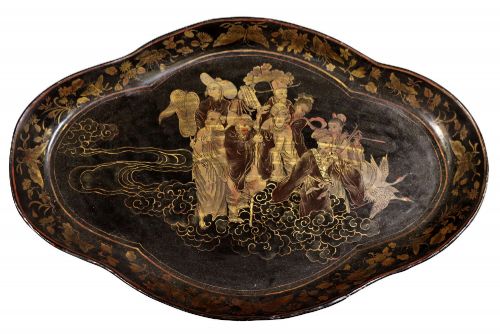
The materials and styles reflect the broad manufacturing capabilities of the nineteenth century, encompassing vernacular woods, metallic plating, and decorated ceramics. Papier-mâché and ebonised surfaces often feature chinoiserie or floral motifs, while silver plate and copper provide substantial metallic alternatives. Many pieces are associated with specific domestic rituals, from breakfast service in private chambers to formal garden gatherings.
Materials and Techniques
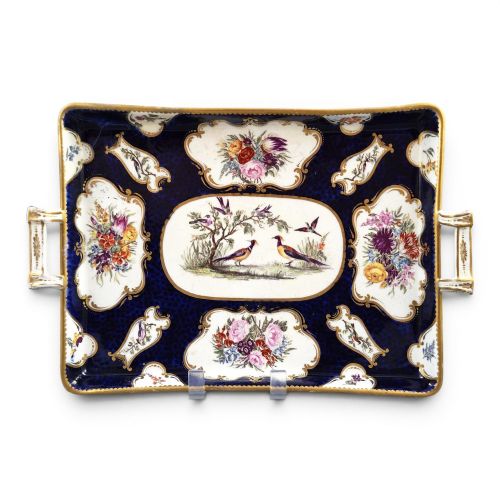
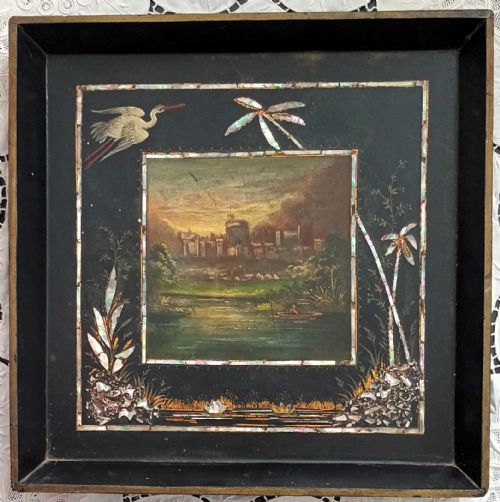
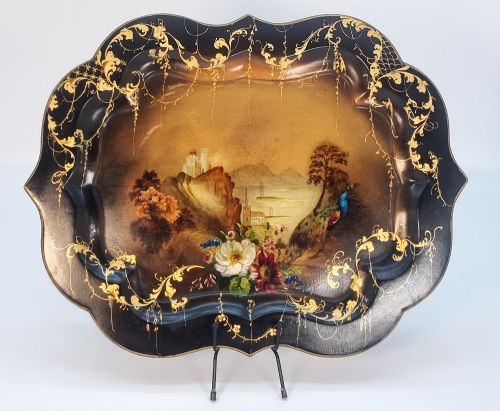
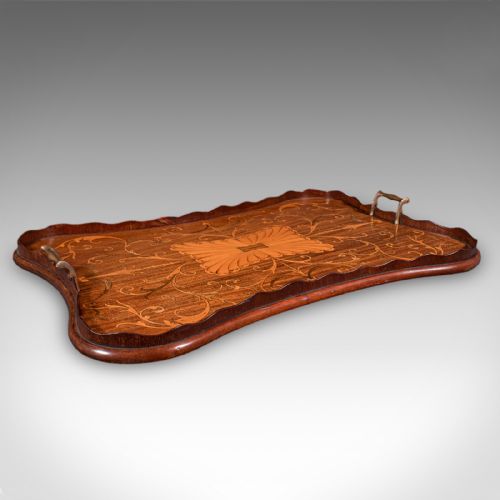
Makers utilised a combination of traditional cabinetmaking and industrial metalwork to produce these domestic objects. Papier-mâché trays required layered paper pulps compressed and treated to create rigid, smooth surfaces suitable for intricate lacquer and hand-painted decoration, often finished with gold leaf. Wood examples utilised mahogany, walnut, and oak, frequently incorporating inlaid details and carved edges.
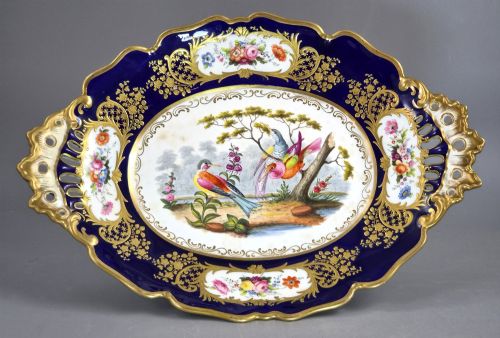
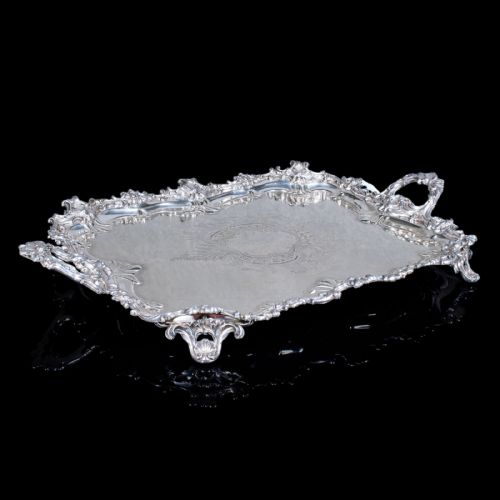
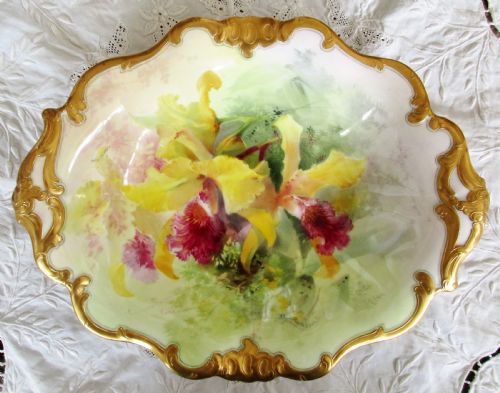
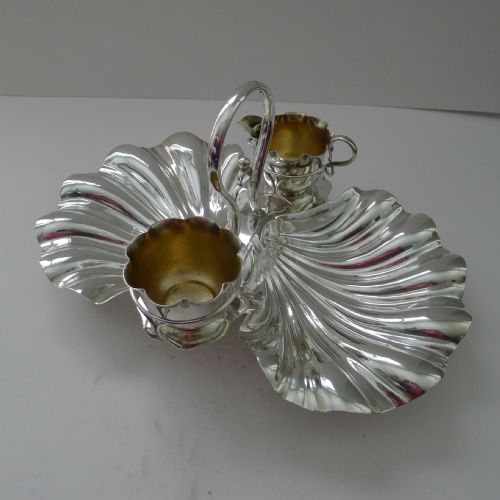
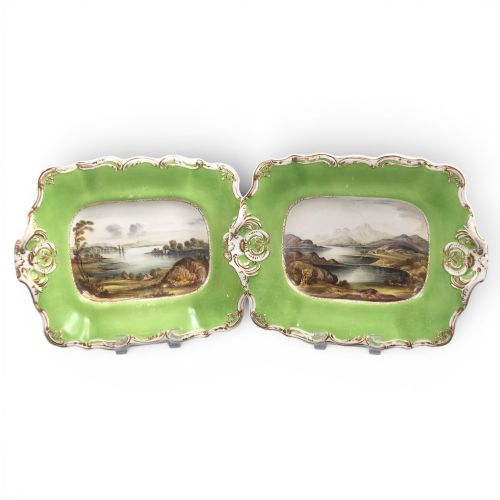
Metal items relied on silver plating over base metals such as copper, alongside cast brass and bronze components. Ceramic and porcelain serving dishes employed moulded earthenware and ironstone bodies, decorated with transfer printing or hand-painted botanical and exotic bird subjects in the tradition of established factories.
Listings feature serving trays in silver plate, mahogany, walnut, and papier-mâché, dating from the Georgian period through to the Edwardian era.
Standards of Craftsmanship
The distinction between standard utility items and finer examples rests on the execution of surface decoration and structural joinery. Hand-painted motifs, detailed piercing, and intricate reticulation indicate higher workshop investment compared to mass-produced transfer printing. The crispness of chased metallic ornament and the preservation of original lacquer on papier-mâché distinguish superior survivals.
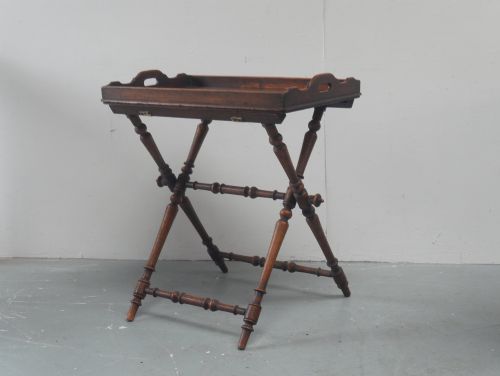
Structural integrity also separates individual pieces, particularly in items subjected to physical weight like butler's trays and stands. Quality is evident in tight joinery, balanced proportions, and the retention of original hardware such as handles, feet, and folding mechanisms. The integration of contrasting wood veneers or precious metal plating points to workshop origins of higher repute.
Coalport·Royal Doulton·Daniel Arter·Copeland and Garrett·Minton·Mason·Royal Crown Derby·Elkington·Jennens and Bettridge·William Padley·Lee and Wigfull
The English Victorian Serving Tray Glossary
- Papier-mâché
- A composite material made from paper pulp or layers of paper mixed with glue, rolled and pressed into shape before being dried and painted. It provides a lightweight yet durable base for decorative trays.
- Reticulated
- Describes metalwork or ceramics featuring an openwork pattern created by piercing or cutting geometric or floral designs through the material. This technique lightens heavy presentation pieces while adding ornamental detail.
- Silver Plate
- A thin layer of silver applied to a base metal, typically copper or brass, to achieve the appearance of solid silver. It became widely used for serving trays and tableware during the nineteenth century.
- Chinoiserie
- A European decorative style that imitates Chinese artistic traditions, frequently featuring pagodas, exotic birds, and figures within landscape scenes. It appears commonly on papier-mâché and lacquered trays.
- Ironstone
- A type of durable, heavy ceramic developed in the nineteenth century as a robust alternative to porcelain. It frequently forms the body of large serving platters and meat dishes.
English Victorian Serving Tray: Frequently Asked Questions
How were butler's trays used?
Butler's trays served to transport food and drink from the kitchens to the dining areas of nineteenth-century households. The removable tray top typically rested on a folding wooden stand, allowing servants to clear meals efficiently.
In contemporary settings, these pieces function as side tables or coffee tables while retaining their historic folding capability.
What is a well and tree platter?
A well and tree platter is a large ceramic or metal serving dish featuring a central channel system and a well at one end. This design collected meat juices during carving, keeping the joint elevated from the liquid.
Victorian households utilised these platters primarily for serving roasted meats during formal dinners.
How do I care for papier-mâché trays?
Papier-mâché requires gentle handling to protect its delicate surface lacquer and hand-painted ornamentation. Cleaning should involve only a dry or slightly damp soft cloth, avoiding moisture penetration and harsh chemical cleaners.
Direct sunlight and excessive heat should be avoided to prevent the lacquer from cracking or warping.
What is a dumb waiter?
A dumb waiter is a tiered piece of freestanding furniture featuring revolving circular trays mounted on a central pillar. It allowed diners to access secondary courses and drinks without the presence of servants.
These pieces were placed beside dining tables during afternoon tea or formal evening meals.