
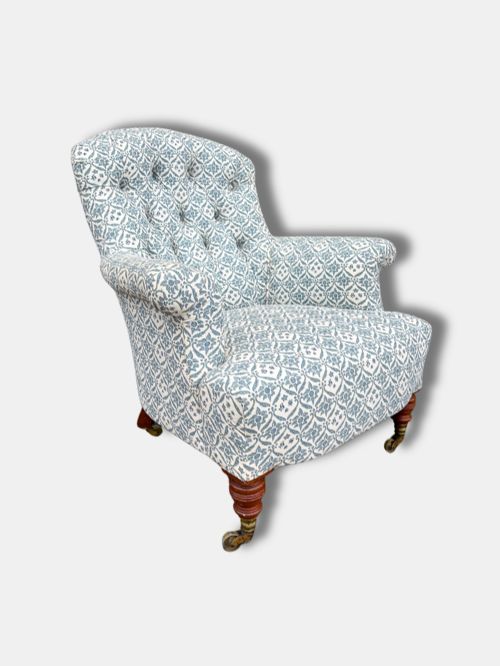
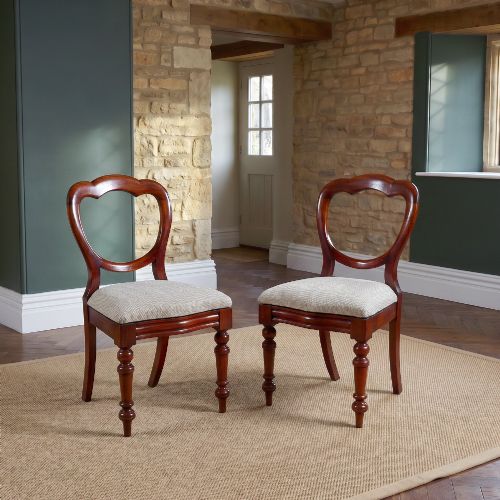
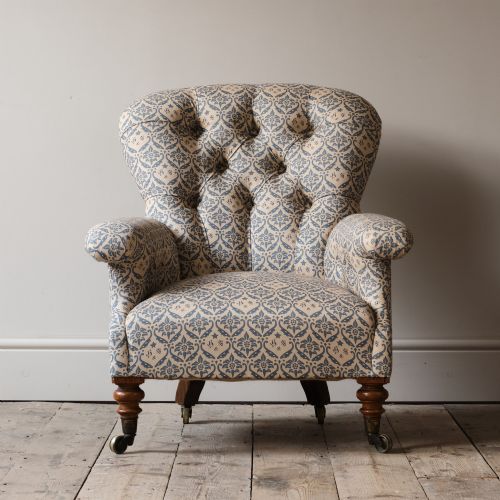
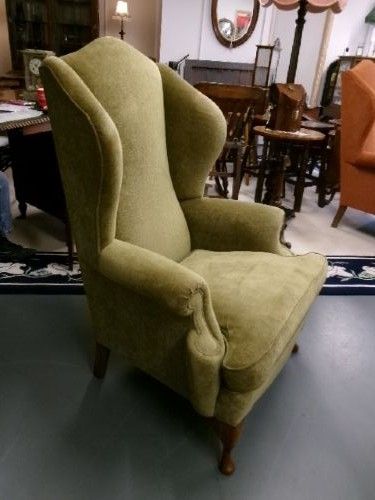
English Upholstered Chair
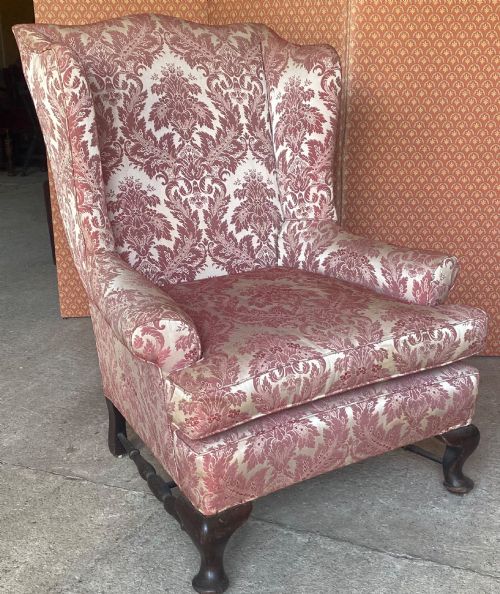
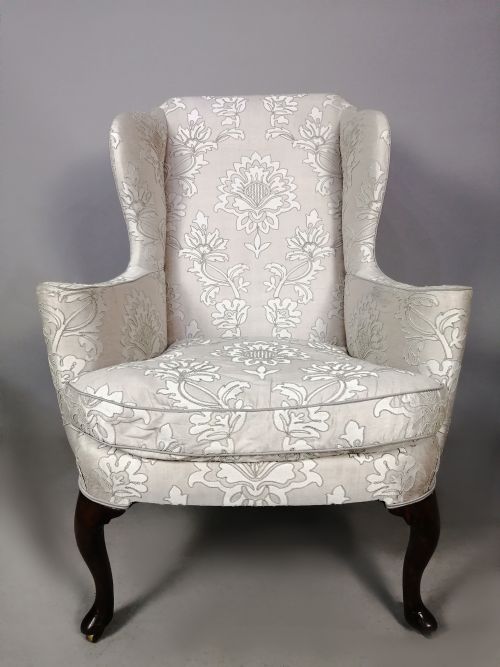
An english upholstered chair brings deep seating and period craftsmanship into a room, offering both comfort and historical character.
English Upholstered Chair
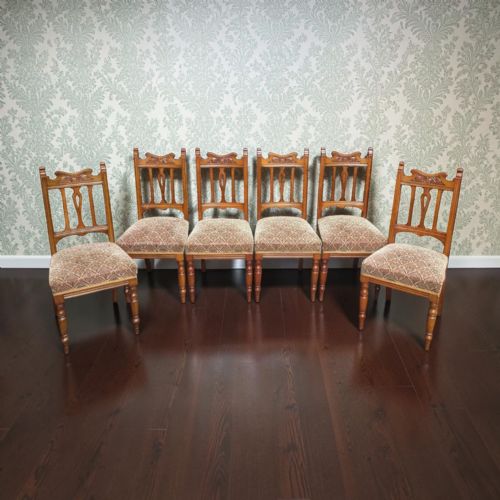
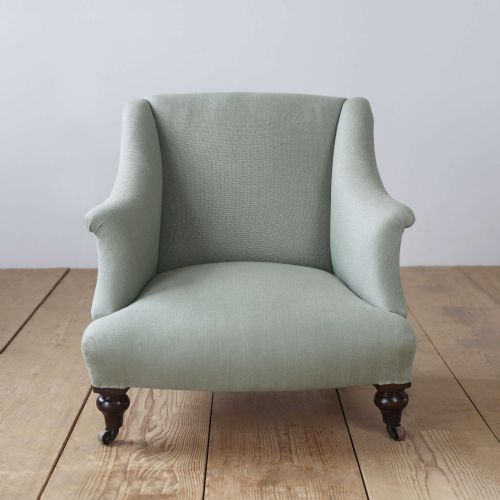
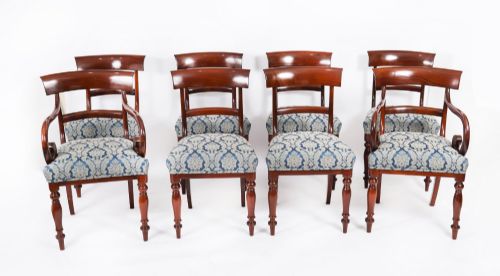
When you search for an english upholstered chair, you encounter a wide selection of seating forms spanning from the 17th century through the early 20th century.
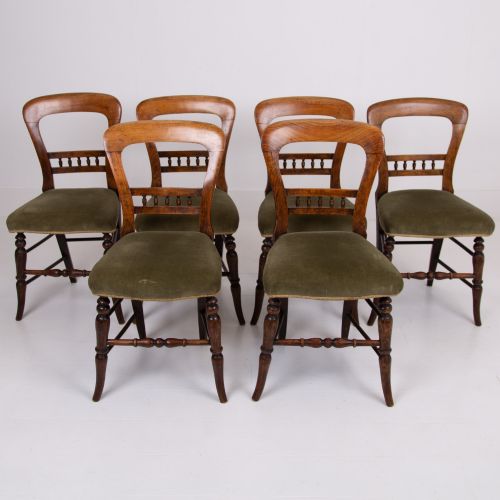
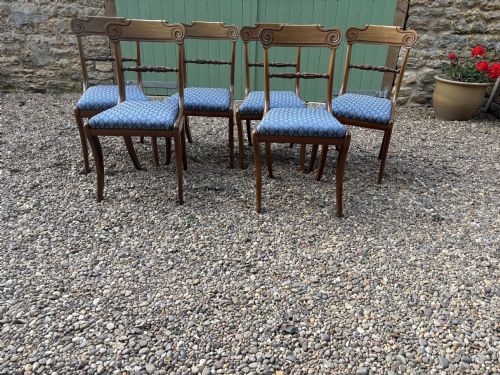
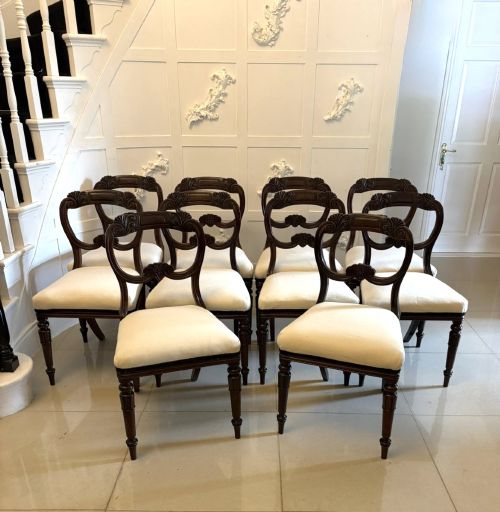
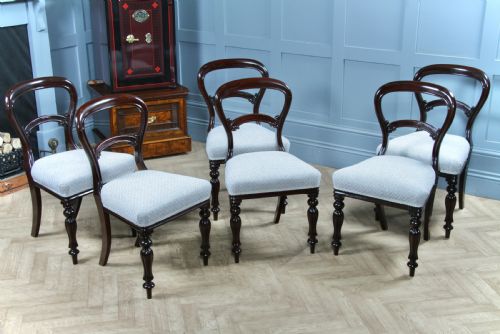
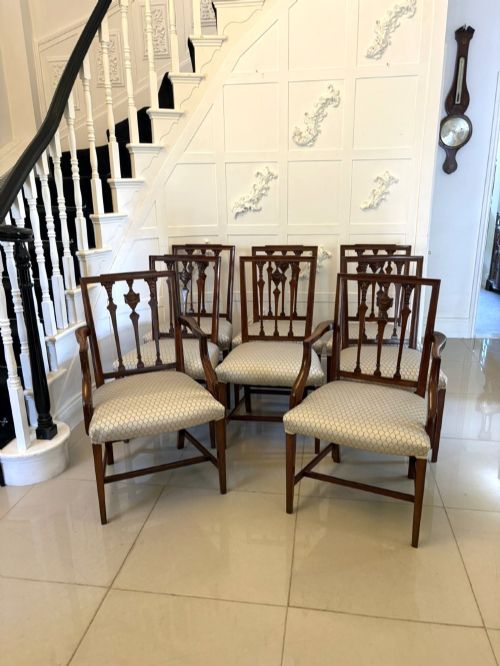
The options range from substantial wingbacks and deep armchairs to library chairs, dining sets, and compact nursing chairs.
Materials and Construction
Frames rely predominantly on hardwoods such as mahogany, walnut, oak, and rosewood, providing structural integrity for heavy seating.
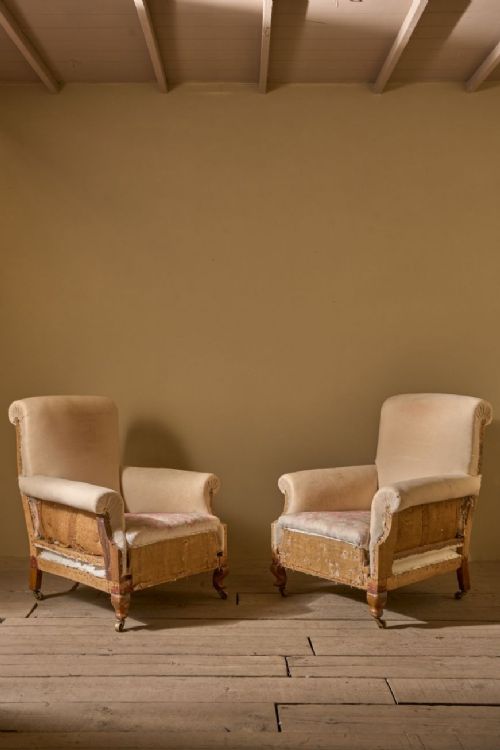
Traditional stuffing utilises materials like horsehair and feather filling beneath foundational layers of hessian and calico.
Visible textiles span from supple leather and rich velvet to patterned cottons, gingham, and wool carpet upholstery.
The inventory spans multiple centuries, incorporating 17th-century styles, Georgian wingbacks, and 1930s art deco seating.
Evaluating Quality
Quality rests upon the integrity of the underlying timber frame and the depth of the proportions, where generous scaling correlates with superior comfort.
Finishing details distinguish standard pieces from elite workshop output, particularly hand-carved woodwork, original castors, and maker stamps.
The survival of original webbing, stuffing, and textile covers elevates the historical integrity of a piece.
Howard and Sons·Gillows·Maple and Co·Holland and Sons·William Birch
The English Upholstered Chair Glossary
- Wingback
- An armchair featuring protective side panels designed to shield the occupant from draughts. These deep seats often date to the Georgian and Victorian eras.
- Gainsborough
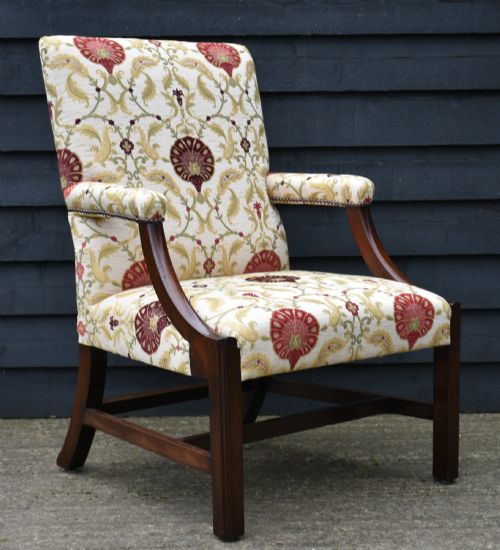
- An open-armed, wide-seated desk or library chair originating in the mid-18th century. They are typically framed in mahogany with upholstered back and seat pads.
- Calico
- A plain-woven cotton fabric utilised as the foundational inner lining beneath top-grade upholstery covers. It secures the internal stuffing before final textiles are applied.
- Hessian
- A coarse woven fabric, commonly called burlap, used to build internal support webs in traditional seating. It provides a sturdy base for horsehair and feather fillings.
- Castors
- Small wheel attachments fitted to the feet of heavy chairs for ease of movement. They appear in brass or ceramic configurations across 19th-century designs.
English Upholstered Chair: Frequently Asked Questions
How do I identify a Howard and Sons chair?
Look for distinctive low-slung proportions, feather-filled cushions, and stamped wooden legs or castors bearing the maker's name.
Many examples also feature characteristic ticking fabric beneath the loose covers.
What is a Gainsborough chair used for?
These wide, open-armed seats were originally designed for writing desks, libraries, and withdrawing rooms during the Georgian period.
Their open wooden arms allowed ample space for voluminous period clothing.
Are leather upholstered chairs authentic to the 18th century?
Yes, leather served as a durable upholstery choice for dining sets, library armchairs, and revolving office seating.
Earlier examples often feature heavy brass nail-head trim securing the hide to the wooden frame.
How do I care for antique upholstery?
Protect delicate textiles and antique leather from direct sunlight to prevent fading and drying of the material.
Gentle surface vacuuming helps preserve internal horsehair and feather fillings without stressing the old fabric.