





English Tin Glazed Pottery
English tin glazed pottery brings together historic earthenware vessels and chargers coated in opaque white glaze and painted in blue or polychrome pigments.
English Tin Glazed Pottery
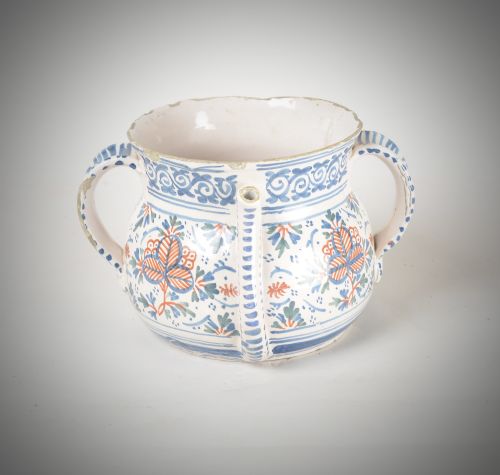
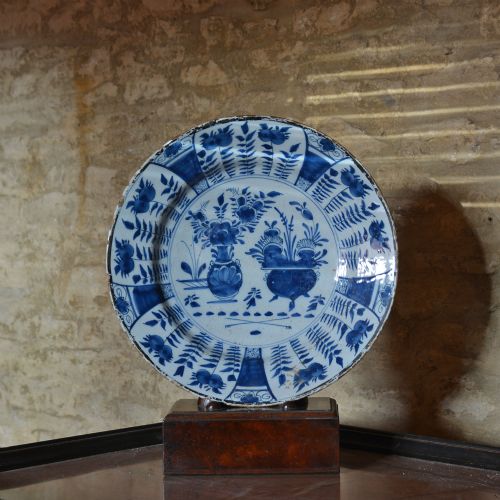
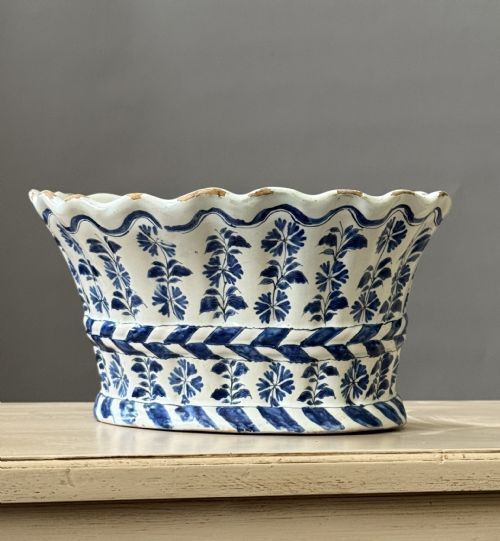
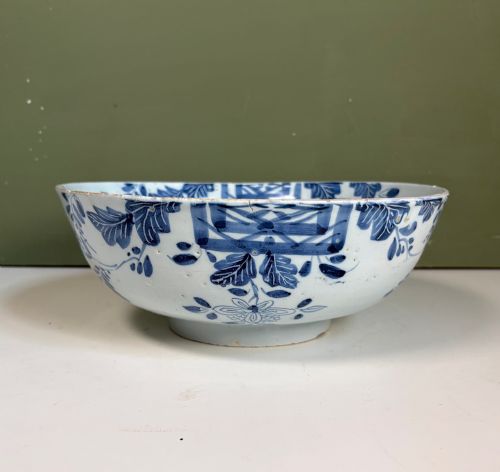
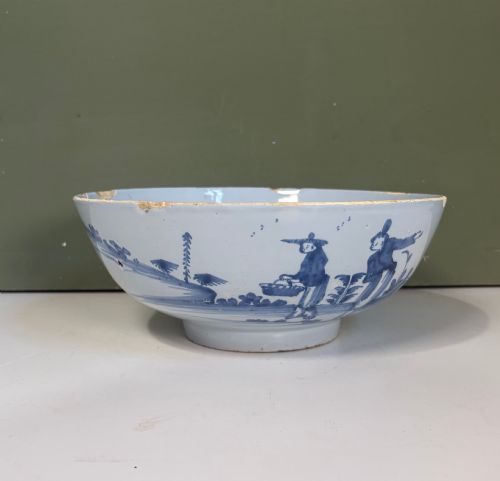
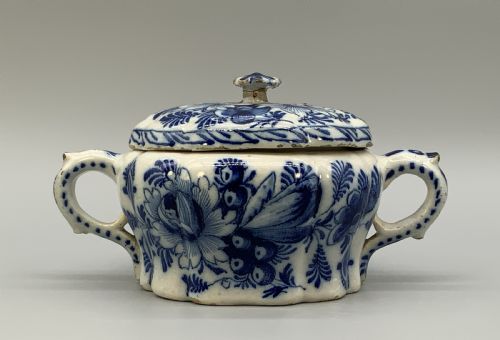
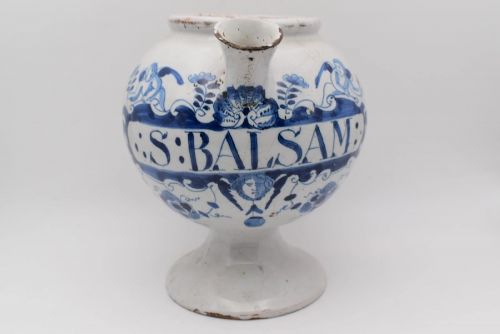
English tin glazed pottery encompasses domestic and decorative wares produced across the seventeenth and eighteenth centuries. Collectors encounter forms ranging from large chargers and bowls to specialised pharmaceutical jars and posset pots.
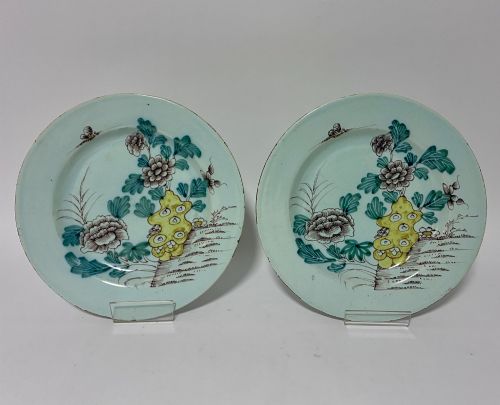
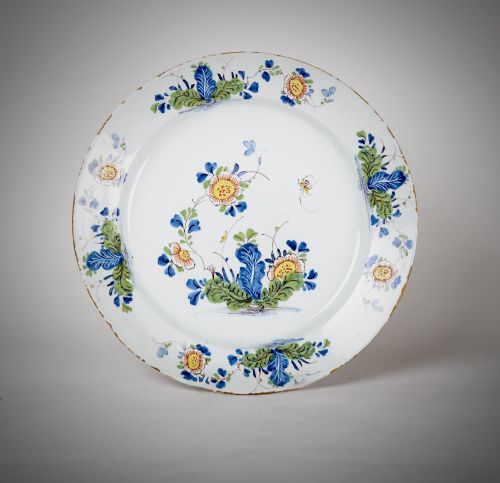
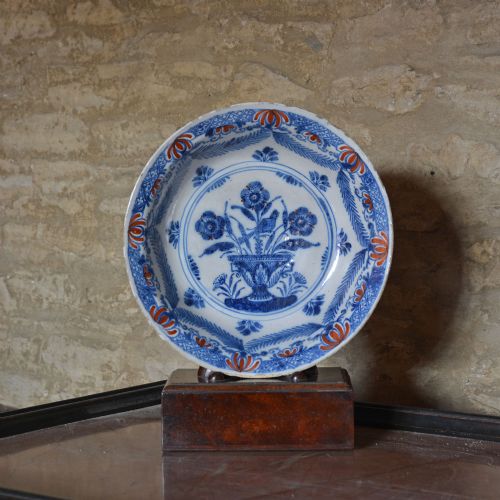
The selections on this page concentrate heavily on eighteenth century production alongside earlier seventeenth century examples. Plates, dishes, and bowls dominate the visible forms, frequently decorated with blue and white or polychrome pigments.
Domestic settings benefit from these historic ceramic pieces through careful placement on tables, walls, or sideboards. Their historical presence connects modern interiors directly to early modern ceramic traditions.
Materials and production
Potters shaped local clay into utilitarian and decorative forms before applying a tin glaze that fired to an opaque white surface. Cobalt oxide and other pigments were then painted directly onto the unfired glaze.
Firing took place in traditional kilns where the absorbent glaze absorbed the metal oxides to produce distinct blue and polychrome decorations. Lambeth potteries and other centres utilised these exact methods for bowls, chargers, and apothecary vessels.
English Tin Glazed Pottery Retail Price Guide 2026
Typical asking prices for english tin glazed pottery among the pieces listed under this phrase on Sellingantiques today, from the lower quarter to the upper quarter. They describe what is for sale here now, not the wider market.
Listings feature items spanning the seventeenth century through to 1800, executed in tin-glazed earthenware and ceramic using cobalt pigment.
Assessing quality
Quality rests primarily on the crispness of the painted decoration and the stability of the tin glaze across the earthenware body. Pieces featuring detailed chinoiserie or botanical motifs display superior brushwork and artistic control.
The density and gloss of the glaze layer also determine the visual appeal of an item. Superior examples maintain an even coat that enhances the underlying pigments without obscuring the form.
The English Tin Glazed Pottery Glossary
- Tin-Glazed Earthenware
- Pottery fired from a clay body and coated with a glaze containing tin oxide to create an opaque white finish. This surface served as a canvas for painted decoration.
- Charger
- A large decorative plate intended for display on walls or sideboards rather than everyday dining use. These items often feature elaborate painted scenes.
- Posset Pot
- A two-handled vessel with a lid and sometimes a spout, used historically for serving a hot spiced milk and wine drink. Seventeenth and eighteenth-century examples are particularly sought after.
- Polychrome
- Decoration utilising multiple colours rather than a single pigment. In these ceramics, this typically involves greens, yellows, reds, and blues painted over the white glaze.
- Apothecary Jar
- A vessel used by chemists and apothecaries to store dry drugs, wet medicines, or ointments. Label inscriptions identify the medicinal contents.
English Tin Glazed Pottery: Frequently Asked Questions
What is English tin glazed pottery?
English tin glazed pottery refers to earthenware vessels and plates coated in a white tin glaze and decorated with painted pigments. These historic pieces date primarily from the seventeenth and eighteenth centuries.
Potters across England produced items ranging from everyday bowls to large chargers and specialised apothecary jars. The style shares technical traditions with European faience and Delftware.
How were these vessels used?
Many large chargers and decorated plates served primarily for display in wealthy homes. Posset pots and bowls had functional roles during communal dining and social gatherings.
Apothecary jars held medical ingredients in shops and dispensaries. Over time, surviving domestic items transitioned into decorative display objects.
How do I live with antique ceramics?
Display these pieces away from direct sunlight and areas subject to sudden temperature fluctuations. Stable shelving and wall mountings protect fragile earthenware from accidental knocks.
Gentle dusting with a dry cloth keeps the glaze clean without introducing moisture. Avoid using harsh chemical cleaners on historic surfaces.
How do I identify periods and styles?
Seventeenth-century pieces often display heavier earthenware bodies and specific floral or pictorial motifs characteristic of early production. Eighteenth-century items frequently incorporate chinoiserie designs or polychrome palettes.
Form shapes, painting styles, and glaze characteristics help distinguish between early periods and later eighteenth-century outputs. Comparing handling evidence across known examples clarifies dating.