


English Spindle Chair
An english spindle chair is a sturdy piece of vernacular seating, built for everyday use from local woods.
English Spindle Chair
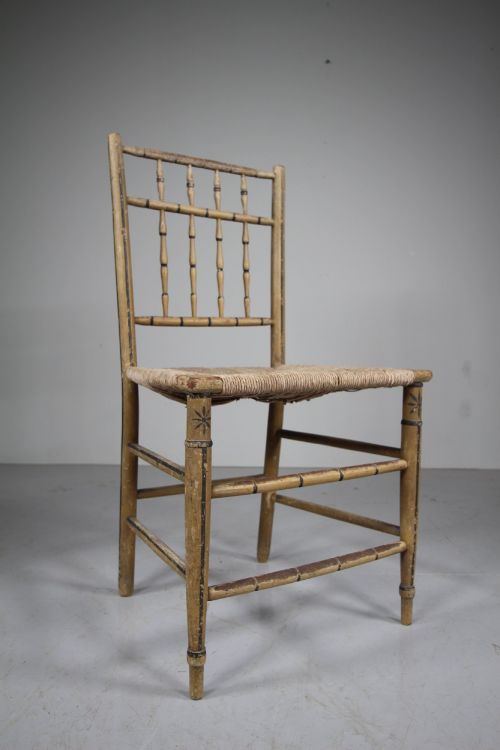
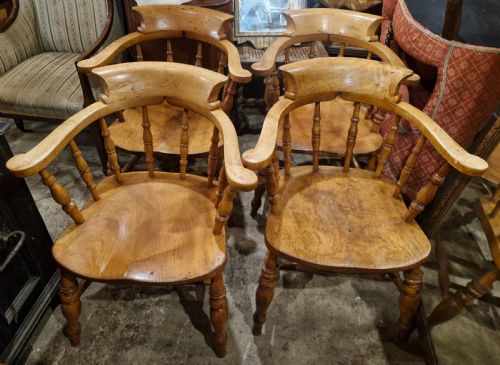
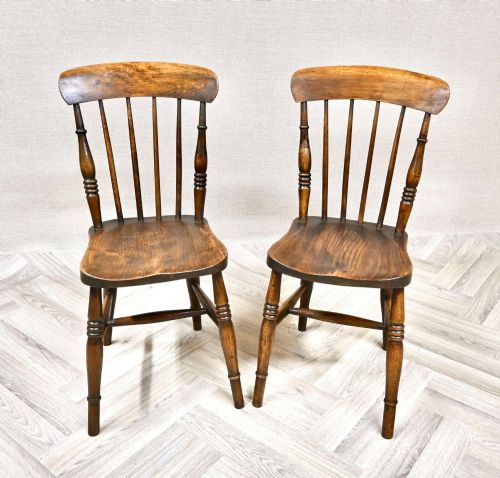
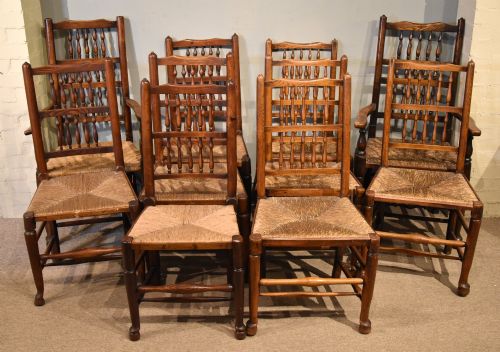
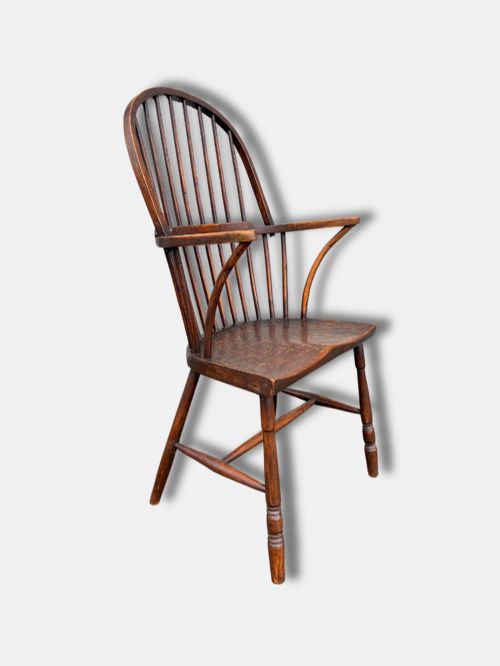
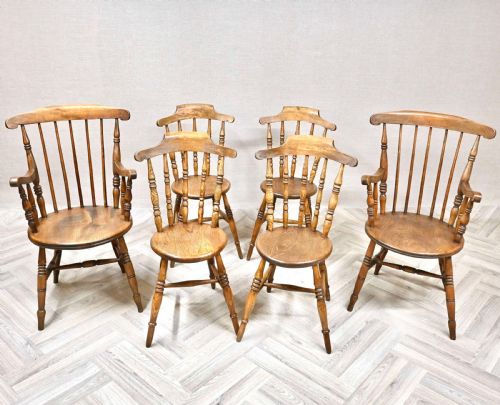
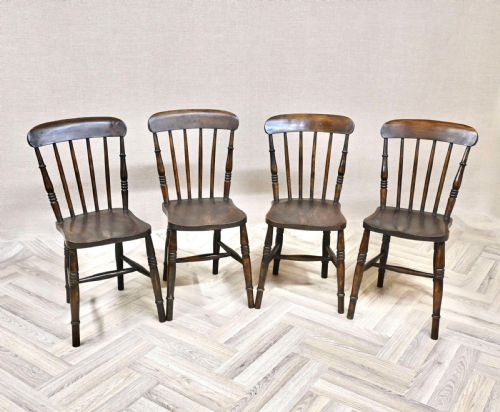
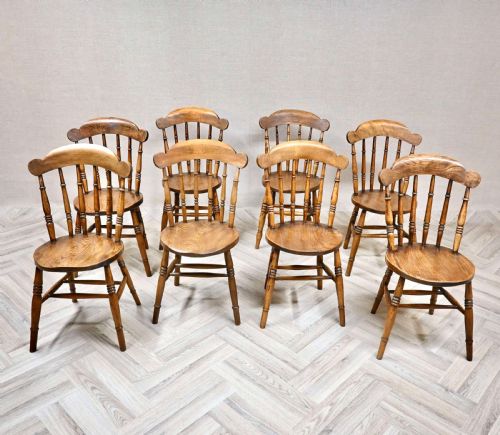
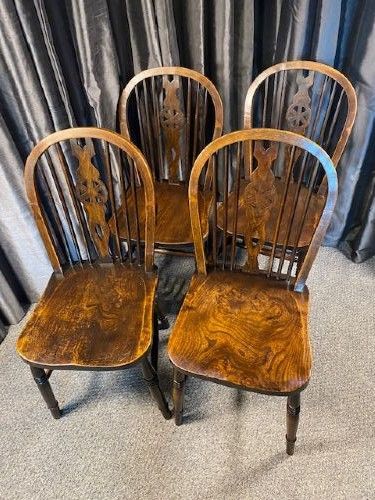
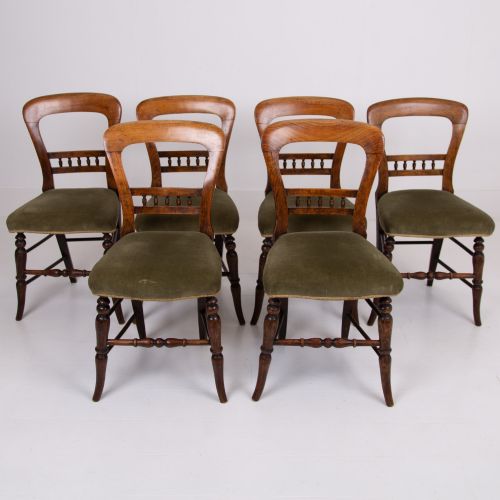
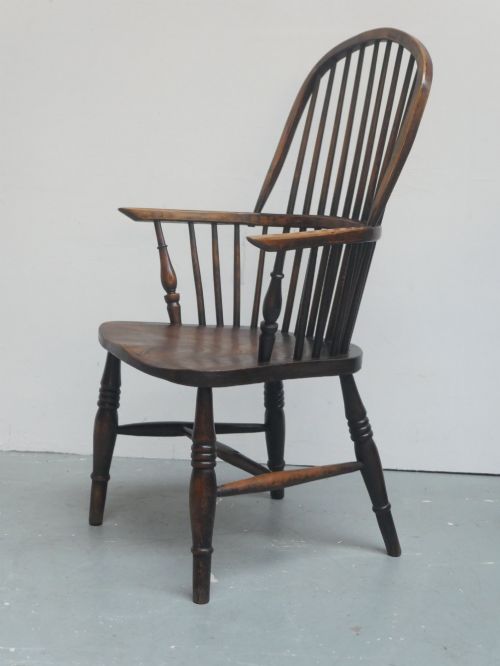
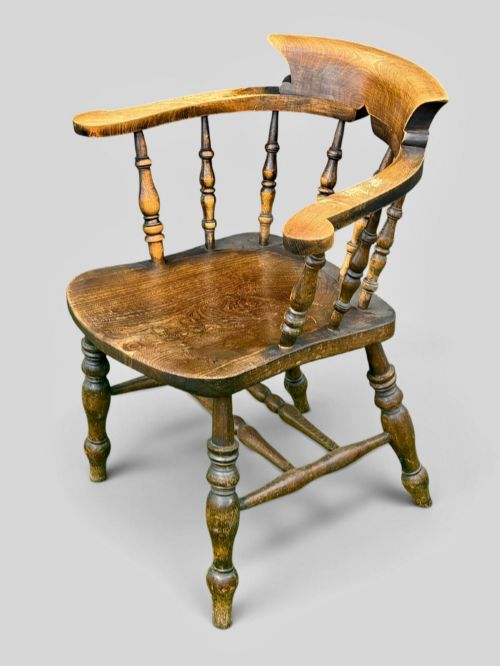
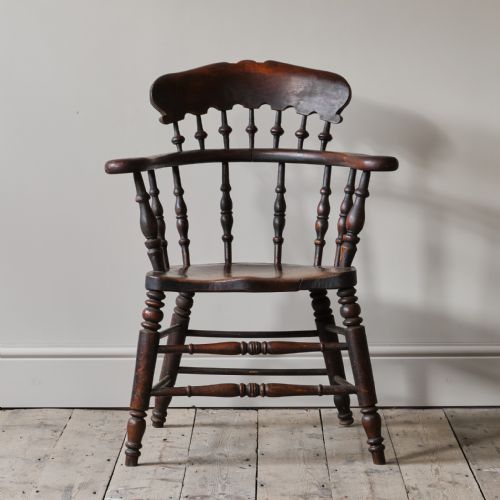
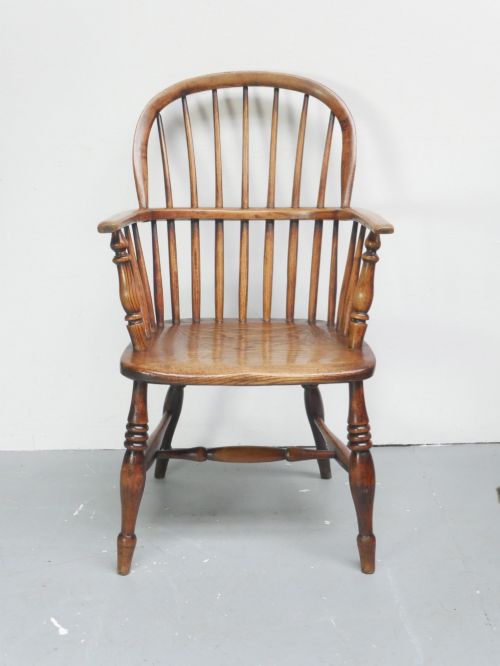
When searching for an english spindle chair, buyers encounter robust vernacular seating largely originating from the nineteenth century. These pieces encompass windsor armchairs, smokers bows, and sets of dining chairs rooted in English country traditions.
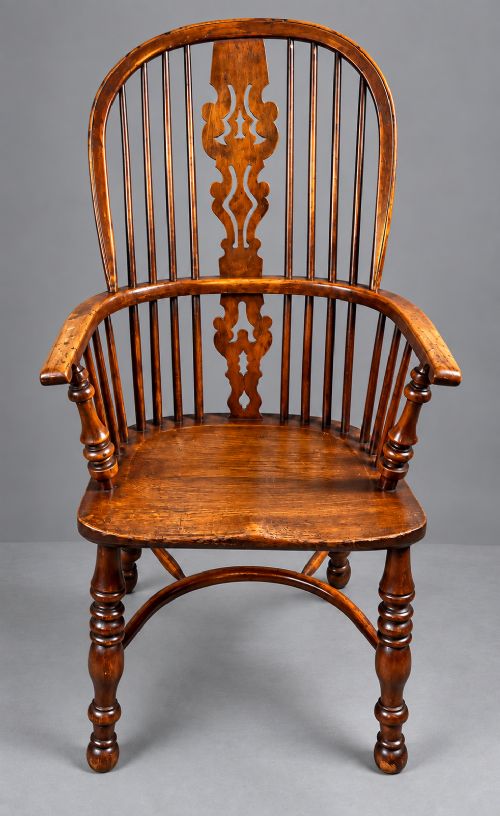
The most common examples on this page are elm, ash, and beech kitchen chairs featuring turned spindles and solid wooden seats. Armchairs with hoop backs and crinoline stretchers appear frequently alongside matching sets of dining seats.
Origins stretch across regional workshops, with pieces hailing from the Thames Valley, Lancashire, and Shropshire. Rural makers utilised native timber to construct functional furniture designed for daily utility.
How they were made
Joinery relies on traditional methods where turned spindles fit into bored holes within solid wooden seats and bowed crest rails. Carpenters shaped elm for saddle seats to provide comfort without upholstery.
Frameworks combine contrasting timbers, pairing flexible ash or beech for spindles and legs with durable elm for the seats. Fruitwood, oak, and laburnum also appear in regional variations across these vernacular forms.
English Spindle Chair Retail Price Guide 2026
Typical asking prices for english spindle chair among the pieces listed under this phrase on Sellingantiques today, from the lower quarter to the upper quarter. They describe what is for sale here now, not the wider market.
Listings demonstrate a strong presence of nineteenth-century elm and beech, alongside regional variations from the Thames Valley and Lancashire.
What varies in quality
The degree of craftsmanship shows in the subtlety of the spindle turnings and the depth of the sculpted elm seat. Early examples exhibit greater care in the balancing of the bow and the rake of the legs.
Surface finish alters the character of a piece, distinguishing untouched timber with deep patination from heavily restored surfaces. Matching sets retain higher desirability than assembled harlequin groups.
Gabbitass of Worksop·J Spencer·E W Godwin
The English Spindle Chair Glossary
- Windsor chair
- A wooden chair constructed with a solid timber saddle seat into which the back and legs are direct-tenoned. These chairs frequently feature bentwood hoops and turned spindles.
- Smokers bow
- A low-backed Windsor armchair with a continuous curved arm rail supported by turned spindles. These robust elbow seats date predominantly from the Victorian period.
- Crinoline stretcher
- A curved under-framing brace linking the legs of a chair in a continuous loop. This feature adds structural rigidity while functioning as a footrest.
- Penny seat
- A saddle-shaped wooden seat turned or adzed from a single solid plank of elm. The shaping resembles a large circular coin indentation.
- Vernacular furniture
- Domestic pieces built by local regional craftsmen using traditional techniques and native materials rather than adhering to formal metropolitan cabinet styles.
English Spindle Chair: Frequently Asked Questions
What is an english spindle chair?
An english spindle chair is a traditional wooden seat featuring turned vertical spindles supporting a back rail or armrest. These pieces encompass regional windsor designs, smokers bows, and farmhouse dining chairs.
Built primarily from native timbers like elm, ash, and beech, they derive their strength from solid wooden seats and pegged joints. Their forms evolved for practical utility in country homes and kitchens.
How do I date an antique spindle chair?
Dating relies on observing construction methods, timber selection, and tool marks visible beneath the seat. Earlier nineteenth-century examples often display wider saddle seats and hand-turned spindles with minor irregularities.
Later Victorian and Edwardian pieces tend toward standardised turning and assembly methods. The presence of original surface patination or early paint further helps establish the period.
Are these chairs comfortable for daily use?
Most pieces provide firm support through ergonomically sculpted wooden saddle seats and supportive spindle backs. They function well at dining tables or as occasional armchairs in living spaces.
Adding a loose squab cushion can soften the solid wood seat for prolonged sitting. Their sturdy construction handles regular use without difficulty.
What woods were used for these chairs?
Makers utilised native British hardwoods chosen for specific structural properties. Elm provided stable, crack-resistant timber for solid saddle seats.
Ash and beech offered flexibility and strength for steam-bent hoops and slender turned spindles. Occasional pieces incorporated fruitwood, oak, or laburnum for visual contrast.