



English Silverware
English silverware brings centuries of domestic metalwork to the table, offering functional service and solid precious metal for daily use.
English Silverware
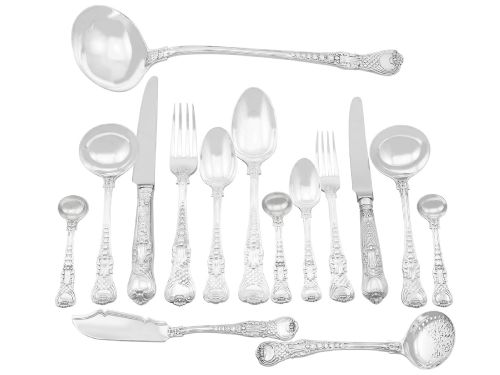
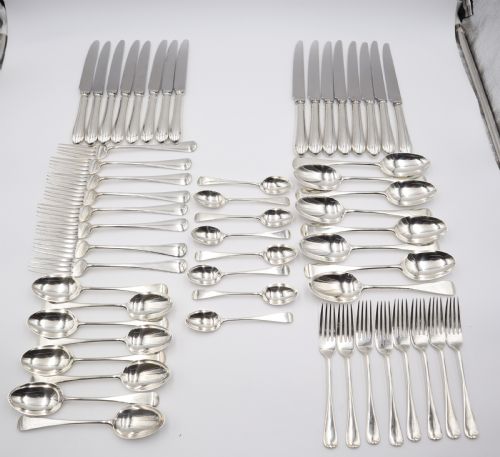
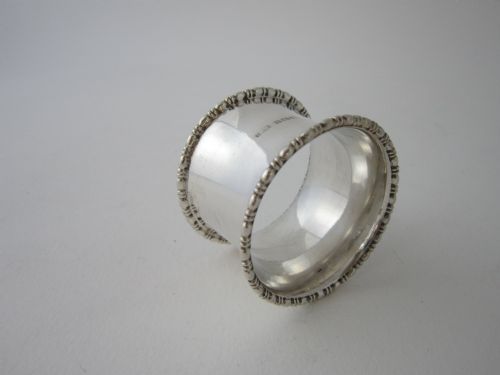
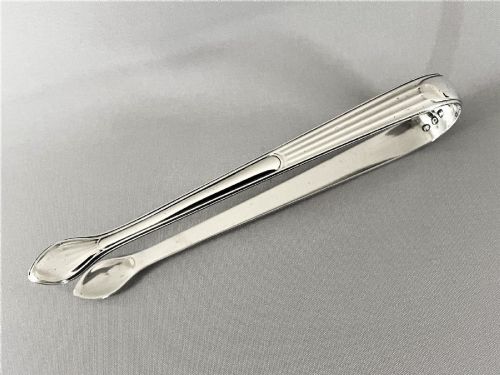
English silverware encompasses a wide range of domestic items, from dining table accessories and serving implements to complete cutlery canteens.
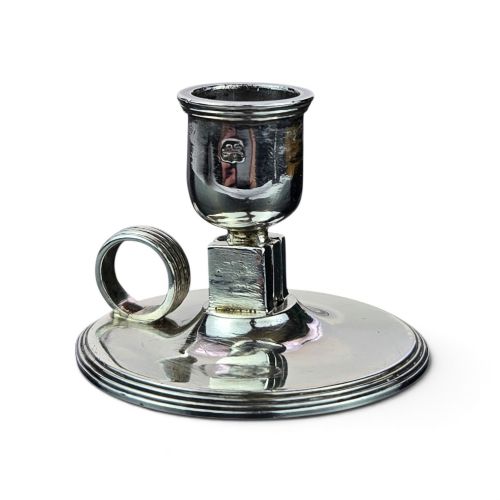
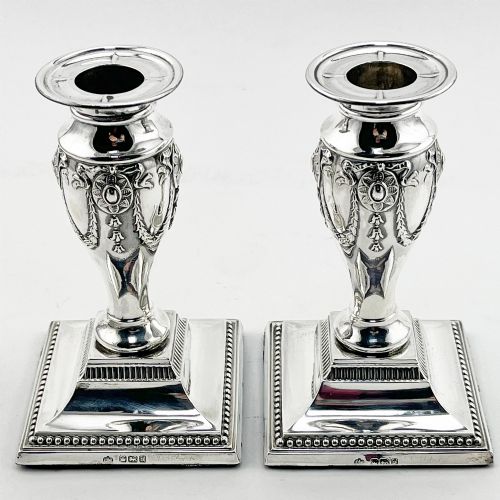
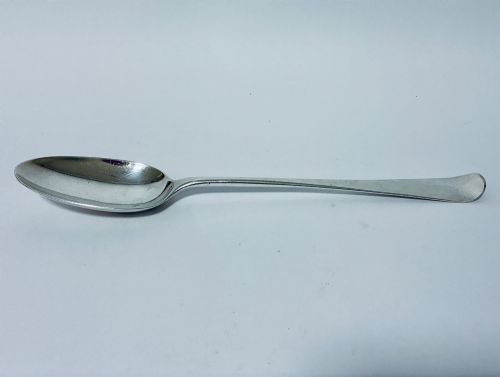
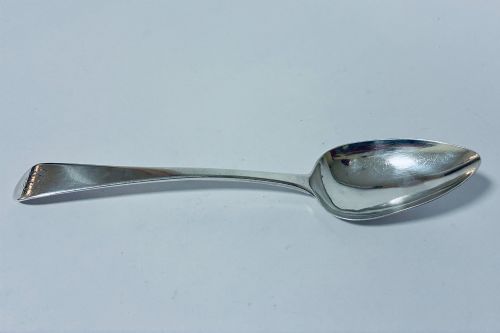
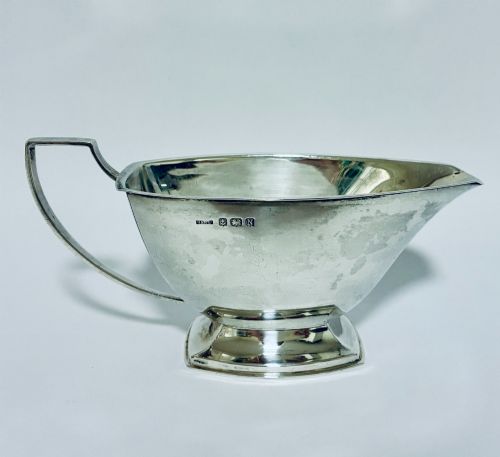
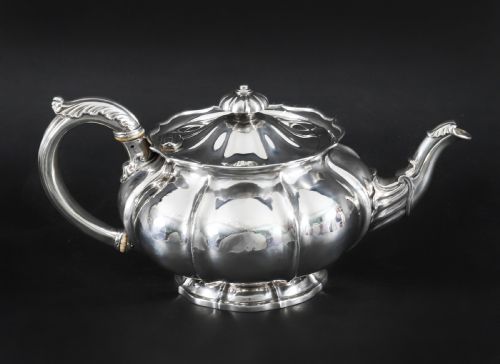
Buyers searching for english silverware encounter everything from early seventeenth-century seal top spoons and Georgian teapots to Edwardian silver-plated toast racks and Art Deco sauce boats.
The selection on this page spans multiple centuries, including pieces from the Georgian, Victorian, and Edwardian eras alongside earlier seventeenth-century examples.
Assessing quality
Quality rests on the crispness of hallmarks, the weight and balance of solid silver or plated surfaces, and the integrity of fitted wooden storage boxes.
Maker attribution and period provenance elevate specific items, distinguishing standard production domestic ware from documented workshop output.
Materials recorded across the inventory include sterling silver, silver plate, brass, ceramic, wood, oak, mahogany, and velvet.
Elkington & Co·Bateman Family·Paul Storr·Jerimiah Johnson·Hester Bateman·Walker & Hall·Theo Fennell·Mappin & Webb
The English Silverware Glossary
- Hallmark
- Official stamps pressed into precious metal indicating the standard of purity, the assay office, and the date letter. These marks provide the primary evidence for dating British silver.
- Canteen
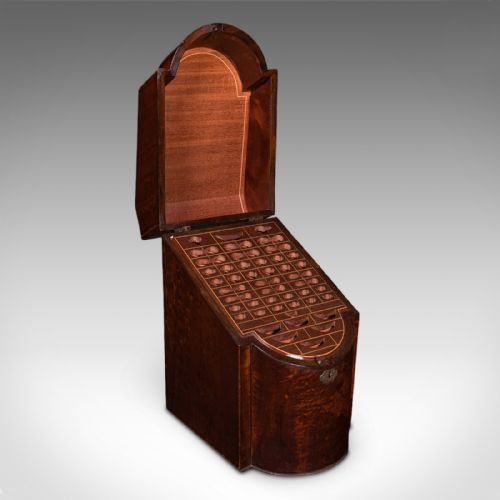
- A fitted box, chest, or cabinet designed to house a complete matching set of cutlery. These storage pieces often utilise oak or mahogany with velvet linings.
- Sauce boat
- An open vessel with a lip and handle used for serving gravies or sauces at the dining table. They frequently stand on three or four small feet.
- Seal top spoon
- An early form of dining spoon featuring a flat, seal-shaped terminal at the end of the handle. Examples date back to the seventeenth century.
- Toast rack
- A metal frame with vertical dividers designed to hold slices of toast upright. These dining accessories appear in both solid silver and silver plate.
English Silverware: Frequently Asked Questions
How do I date antique silver?
Dating relies on reading the official hallmarks stamped directly into the metal. These tiny symbols identify the assay office, the purity standard, and a specific date letter.
Additional clues come from the overall style, manufacturing technique, and any engraved crests or monograms that match period records.
What is the difference between silver plate and sterling?
Sterling silver consists of a solid alloy containing a high, regulated percentage of pure silver throughout the entire object. It carries hallmarks indicating its specific precious metal standard.
Silver plate involves a thin layer of silver bonded to a base metal core such as brass or copper. Plated items generally show wear on high friction areas over time.
How should I clean silver flatware?
Gentle washing in warm soapy water with a soft cloth removes everyday oils and residues from dining use. Avoid harsh abrasive dips that strip the natural patina accumulated over centuries.
Dry the pieces thoroughly immediately after washing to prevent water spots and tarnishing.
Are old cutlery canteens complete?
Many surviving canteens retain their full complement of matched knives, forks, and spoons housed within fitted wooden trays. Some sets have minor replacements accumulated during their working life.
Checking the individual piece counts against the original slots reveals whether any items are missing.
Can I use antique spoons daily?
Solid silver serving spoons and cutlery sets remain durable enough for regular dining use. The thick gauge of early metal withstands careful handling and routine washing.
Storing pieces properly in lined wooden chests prevents accidental scratching between meals.