



English Silver Vessel
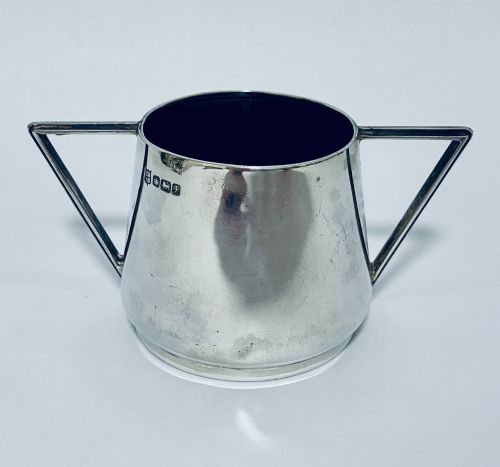
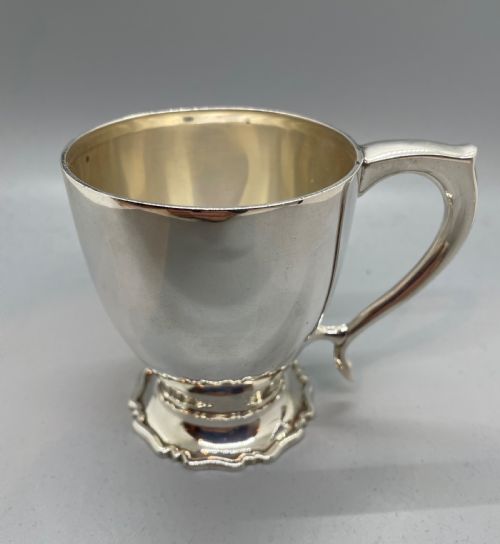
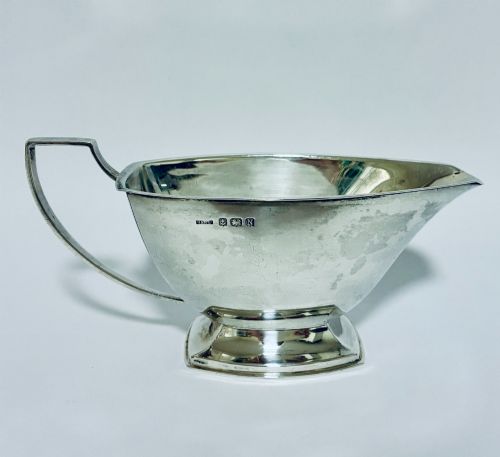
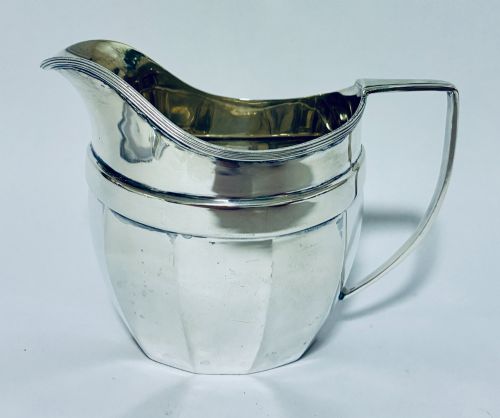
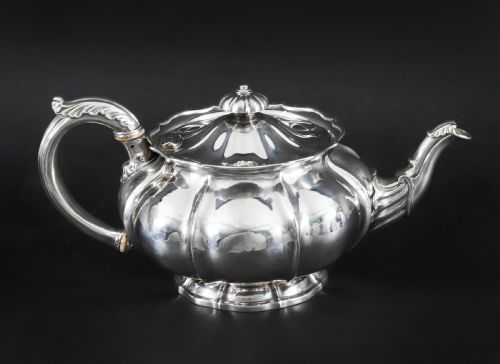
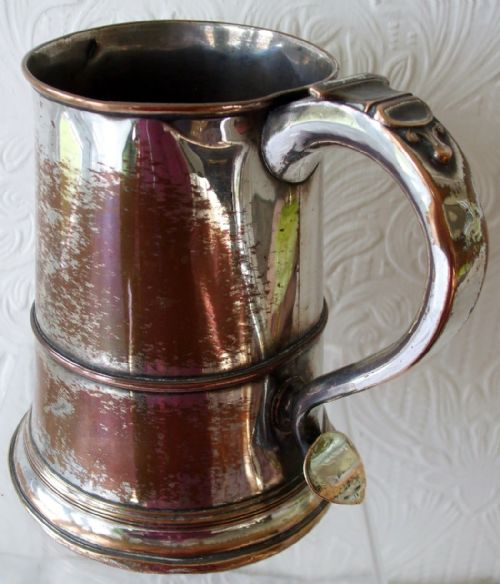
When you search for an english silver vessel, you meet a utilitarian range spanning mugs, tankards, sauce boats, and teapots produced across multiple centuries.
English Silver Vessel
An english silver vessel covers a broad functional spectrum, ranging from modest drinking mugs and tankards to generous teapots, sauce boats, and decorative bowls. The selections on this page draw from centuries of domestic metalwork, incorporating utilitarian drinking vessels alongside formal table service pieces.
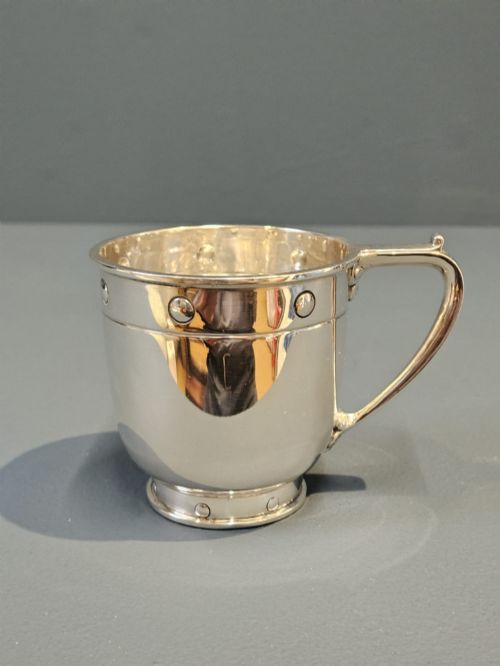
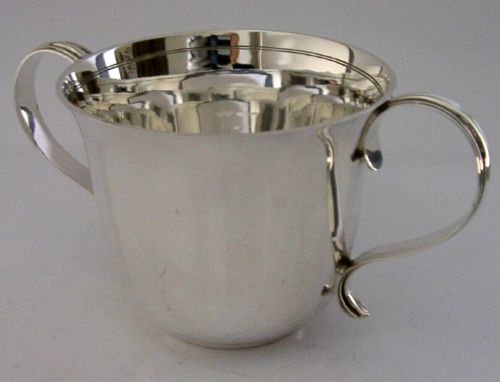
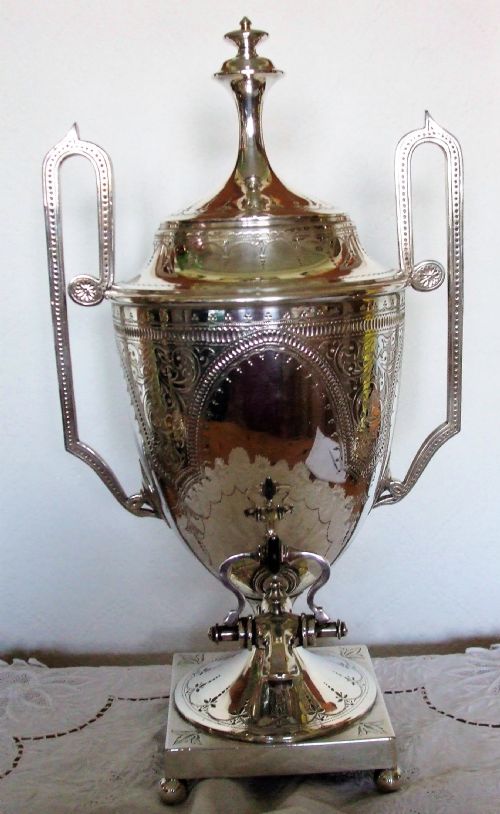
Mugs, tankards, and porringers appear alongside samovars, chestnut urns, and wine coolers. Buyers encounter domestic items created for everyday hospitality as well as specialised vessels intended for display or ceremonial use.
The periods represented stretch from the late seventeenth century through the Georgian, Victorian, and Edwardian eras into the mid-twentieth century. Pieces reflect stylistic shifts from plain seventeenth-century forms to ornate Victorian designs and geometric Art Deco creations.
Materials and Techniques
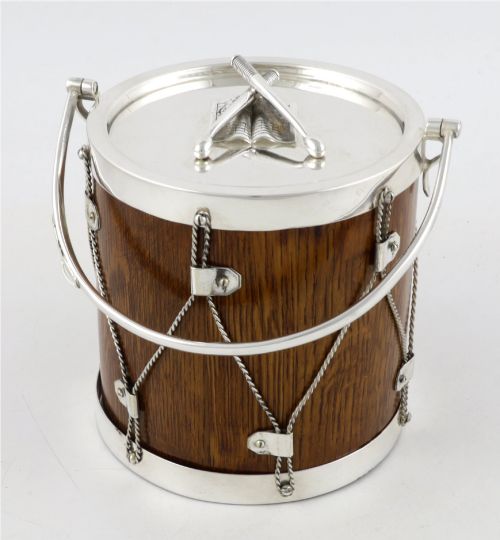
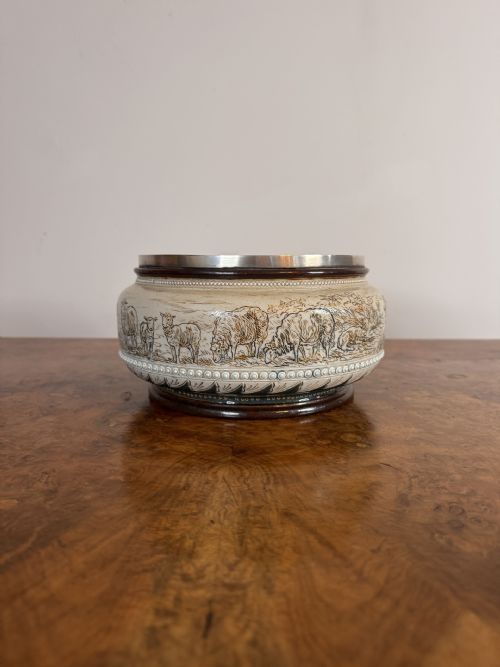
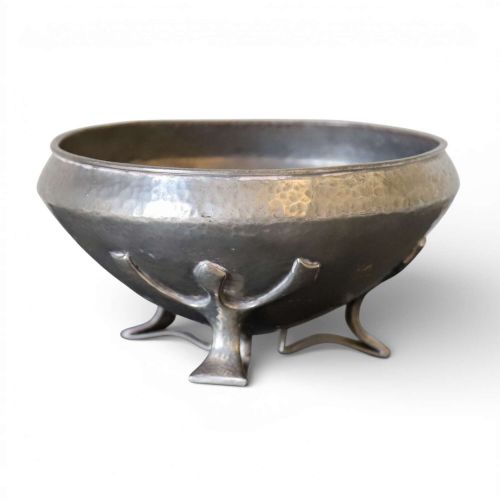
Sterling silver forms the core of many domestic items, accompanied by Old Sheffield plate and later silver plate applied over base metal foundations. Pewter and stoneware also appear, sometimes mounted with metal rims or applied handles.
Silversmiths utilised hammering, casting, and soldering to shape sheet metal into hollowware bodies, attaching cast handles and feet. Stoneware pieces utilise ceramic bodies thrown on the wheel and decorated with applied or incised ornamentation before receiving metal mounts.
English Silver Vessel Retail Price Guide 2026
Typical asking prices for english silver vessel among the pieces listed under this phrase on Sellingantiques today, from the lower quarter to the upper quarter. They describe what is for sale here now, not the wider market.
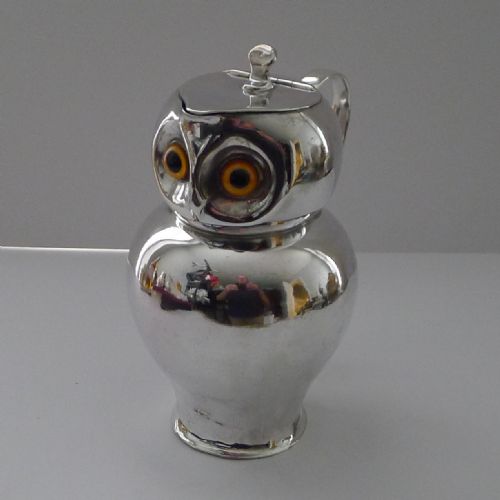
A novelty silver-plated jug takes the wide-eyed form of an inquisitive owl, complete with glass eyes peering back from the mantelpiece.
Execution and Integrity
The standard of a piece rests upon the crispness of its chasing, the balance of its proportions, and the integrity of its construction. Heavier gauges of metal provide structural rigidity that resists denting and maintains clean geometric lines.
Makers' marks and assay office stamps offer evidence of origin and standard, distinguishing disciplined workshop production from mass fabrication. The retention of original surface patination and uncompromised solder joints separate superior examples from heavily restored or altered items.
Barker Bros·Paul Storr·Walker & Hall·Mappin & Webb·Beldray Ltd
The English Silver Vessel Glossary
- Porringer
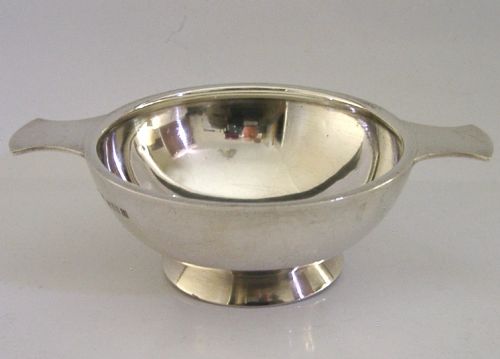
- A two-handled bowl used for porage or broth in earlier domestic settings. These vessels feature characteristic ear-like handles projecting from the rim.
- Tankard
- A tall drinking vessel with a single handle, often fitted with a hinged lid. They are commonly produced in silver, pewter, or stoneware.
- Sauce boat
- A small open vessel with a lip and handle designed for serving gravies or sauces at table. They frequently stand upon three short feet.
- Old Sheffield plate
- A composite material formed by fusing a sheet of silver to a thicker copper ingot. This technique preceded modern electroplating.
- Tyg
- A large drinking vessel provided with multiple handles to allow shared passing around a table. Stoneware examples often display intricate slip decoration.
English Silver Vessel: Frequently Asked Questions
What is an english silver vessel?
An english silver vessel encompasses hollowware items designed for dining, drinking, and domestic service. These include mugs, tankards, teapots, and sauce boats originating from various historical periods.
Materials range from solid sterling silver and Old Sheffield plate to pewter and stoneware. Each piece reflects the functional requirements and stylistic preferences of its era.
How do I date a silver vessel?
Dating relies heavily upon hallmarks stamped directly into the metal surface by official assay offices. These marks indicate the year of testing, the town of origin, and the specific standard of the metal.
Stylistic cues such as handle shapes, foot rims, and decorative motifs also assist in placing a piece within periods like the Georgian, Victorian, or Edwardian eras.
Were these vessels used daily?
Many items, such as mugs, tankards, and teapots, served active roles in daily household dining and tavern hospitality. Their durable construction allowed them to withstand regular handling over generations.
Other forms, including decorative bowls and pot pourri boxes, fulfilled ornamental functions within domestic interiors rather than daily service.
What is the difference between sterling and plate?
Sterling silver consists of a regulated alloy containing a high percentage of pure silver throughout the entire object. This standard is guaranteed by official assay office hallmarks.
Silver plate involves a thin layer of silver bonded to a base metal foundation, such as copper or white metal. Old Sheffield plate achieves this through a physical fusion process, while later plated items utilise electroplating.