





English Silver Trinket Box
An English silver trinket box holds small valuables on a dressing table while displaying centuries of metalwork skill.
English Silver Trinket Box
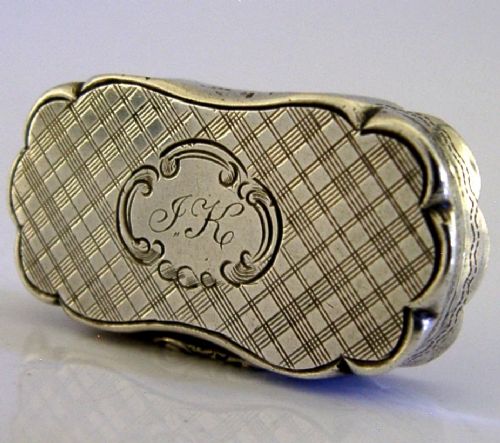
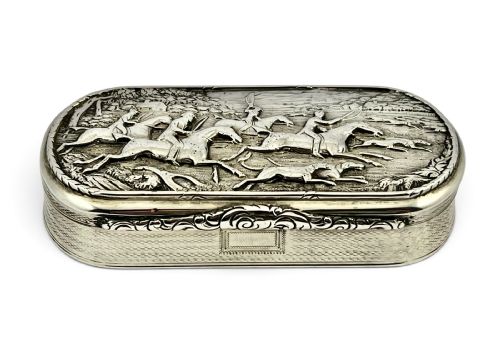
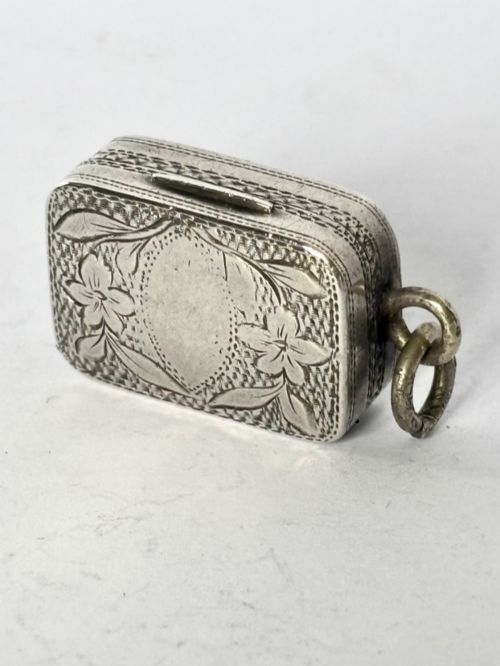
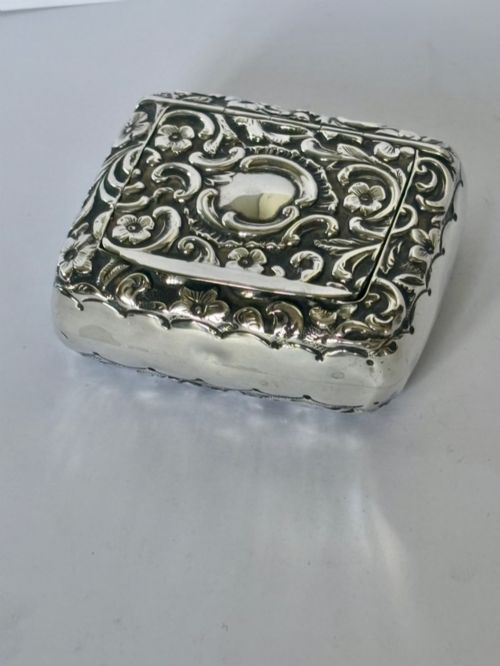
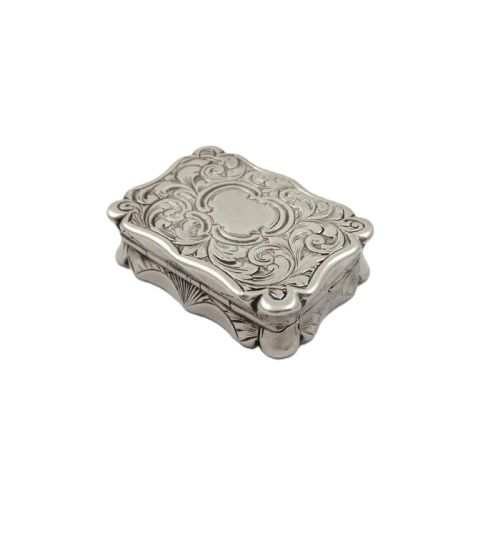
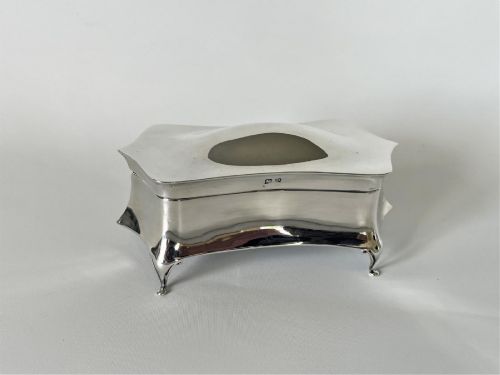
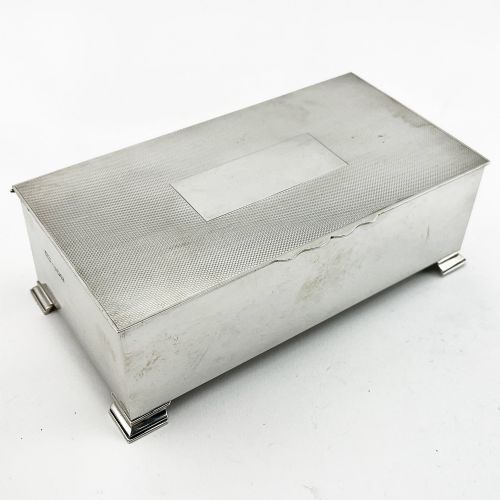
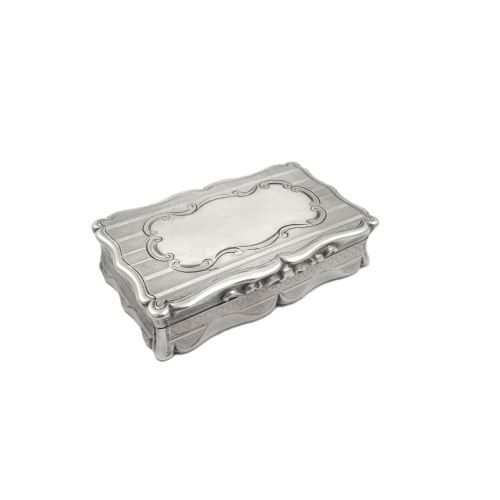
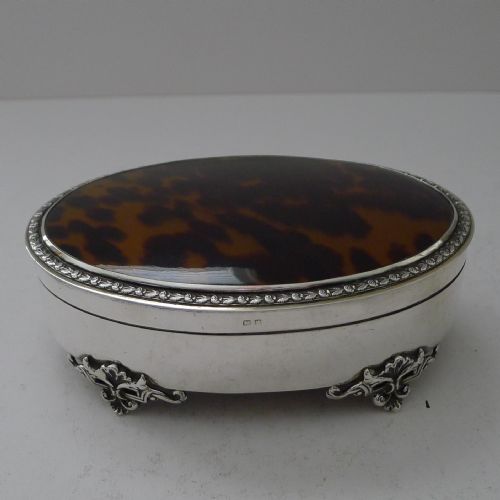
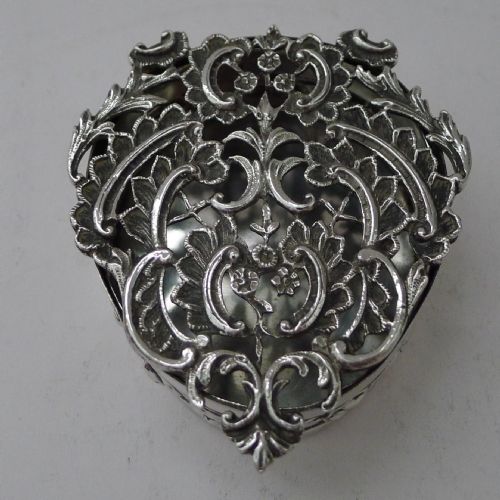
An English silver trinket box encompasses small containers designed for personal adornment items, rings, and keepsakes, drawing on forms made across the Georgian, Victorian, Edwardian, and Art Deco periods. Buyers encounter dressing table containers, ring boxes, and pocket-sized vessels produced by silversmiths in Birmingham, London, and Chester.
The selection ranges from early nineteenth-century vinaigrettes and snuff boxes to larger twentieth-century jewellery chests lined with silk or wood. Pieces often combine sterling silver mounts with panels of tortoiseshell, cut glass, enamel, or agate.
The most frequent finds date from the late Victorian and Edwardian decades, reflecting a period of high domestic production for dressing tables.
Indicators of quality
Quality rests upon the weight of the metal, the crispness of the hallmarks, and the intricacy of decorative work such as repousse relief or hand-piercing. Superior pieces display tight hinge action, well-fitted lids, and undamaged secondary materials like tortoiseshell or enamel.
The presence of renowned makers elevates a piece, as does a fully fitted interior retaining its original silk or velvet lining.
English Silver Trinket Box Retail Price Guide 2026
Typical asking prices for english silver trinket box among the pieces listed under this phrase on Sellingantiques today, from the lower quarter to the upper quarter. They describe what is for sale here now, not the wider market.
Listings feature items spanning the Georgian, Victorian, Edwardian, and Art Deco eras, executed in sterling silver, tortoiseshell, and cut glass.
Paul Storr·Samuel Pemberton·Henry Matthews·William Comyns·Walker & Hall·Deakin and Francis·Elkington & Co
The English Silver Trinket Box Glossary
- Hallmark
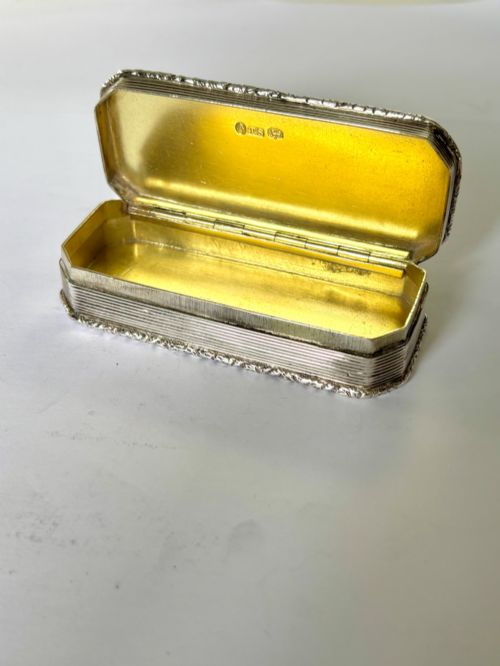
- Official marks stamped into precious metals indicating the standard of purity, the assay office, and the date letter. These stamps allow collectors to identify the exact year and place of manufacture.
- Vinaigrette
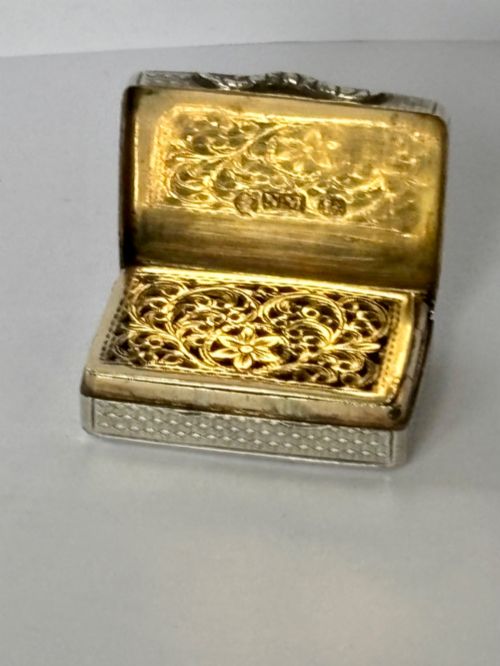
- A small hinged box featuring an internal pierced grille that held a sponge soaked in aromatic vinegar. These were carried during the Georgian and Victorian eras to neutralise unpleasant odours.
- Repousse
- A metalworking technique where the smith hammers the silver from the reverse side to form a raised design in relief. This method defines many decorative Victorian boxes.
- Guilloche
- An ornamental pattern mechanically engraved into a metal surface beneath a translucent layer of enamel. It frequently appears on Edwardian and Art Deco trinket boxes.
- Silver-gilt
- Sterling silver that has been coated with a thin layer of gold, often used to line the interiors of snuff boxes and vinaigrettes to prevent corrosion.
English Silver Trinket Box: Frequently Asked Questions
How do I clean an antique silver box?
Use a soft microfiber cloth designed for silver to remove tarnish gently without damaging engraved or embossed details.
Avoid liquid dips, particularly on pieces with tortoiseshell, enamel, or fabric linings, as harsh chemicals ruin delicate inlays.
What is the difference between a snuff box and a trinket box?
Snuff boxes are generally smaller, pocket-sized containers made during the Georgian and Victorian periods to hold dry tobacco.
Trinket and jewellery boxes are larger table vessels designed to sit on a dressing table for rings and small personal accessories.
How can I tell the date of my silver box?
Locate the hallmark stamps usually found on the rim or base of the container.
The duty mark, maker's mark, and date letter reveal the exact assay office and year of production according to official records.
Were these boxes lined originally?
Many dressing table boxes and jewellery containers featured fitted interiors lined with silk, velvet, or satin.
Survival of the original fabric depends on use, though some examples retain their period linings alongside padded cushions.