





English Silver Plated Barware
English silver plated barware brings together cocktail shakers, wine coolers and serving trays from the Victorian period through to the mid-twentieth century.
English Silver Plated Barware
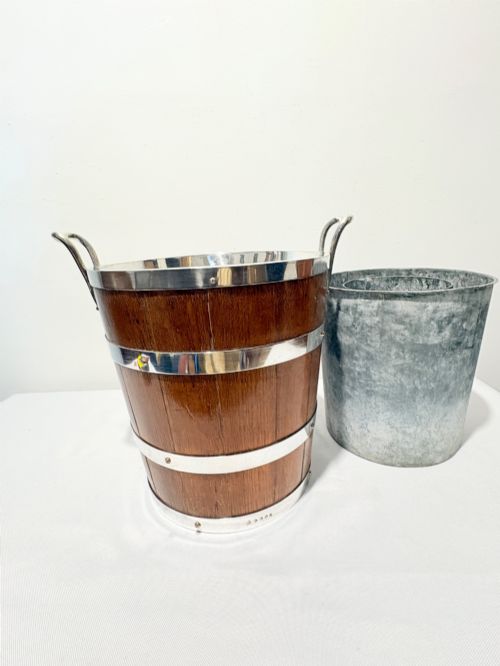
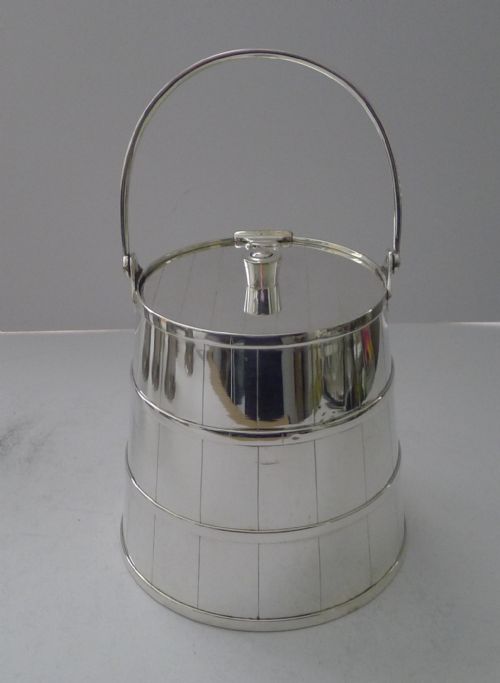
When you search for english silver plated barware, you encounter items designed for entertaining, ranging from late nineteenth-century spirit barrels to Art Deco cocktail shakers. The selection spans the Victorian, Edwardian and mid-century eras, reflecting changing social habits across several decades.
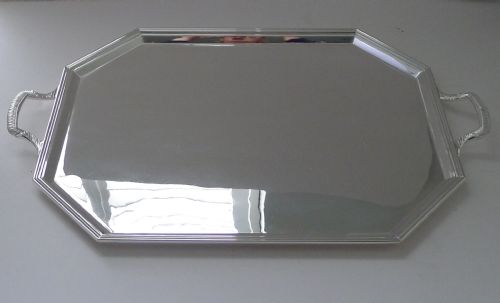
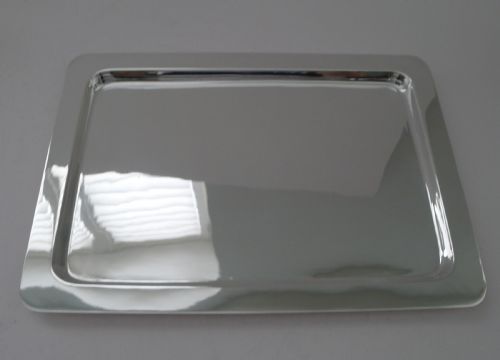
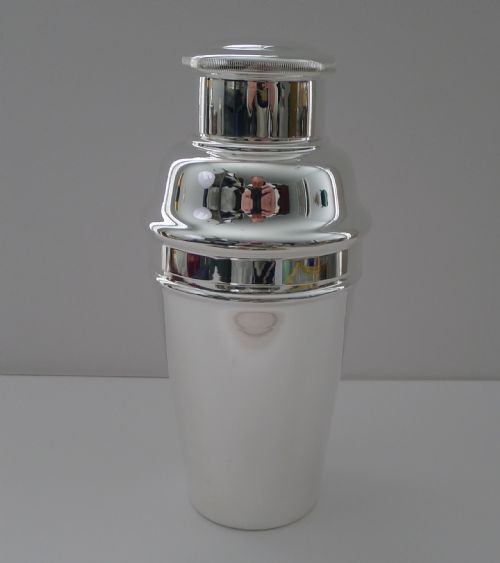
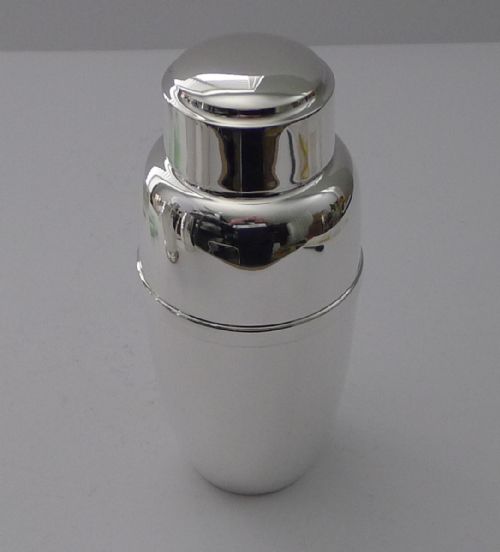
The most common forms on this page include cocktail shakers, bottle coasters, presentation trays and wine coolers. Many pieces date from the 1930s, showing the geometric lines of the Art Deco style alongside earlier traditional English designs.
Materials and Techniques
These items rely on metal fabrication combined with silver plating, often utilising electroplated nickel silver or standard metal as a base. Workshops frequently incorporated materials such as oak, glass, wood and ceramic to complement the plated surfaces.
Manufacturing techniques include engine turning on shakers and detailed casting on novelty items like spirit barrels on carriages. Makers applied plating over base metals to achieve a polished finish suitable for domestic drinks service.
The inventory spans the Victorian, Edwardian, Art Deco and Mid-Century Modern design styles.
Assessing Quality
Quality in english silver plated barware rests on the crispness of decorative detailing, such as engine-turned patterns on shakers or the stability of novelty mechanisms like rotating recipes and integral ice breakers. Substantial weight in trays and coolers indicates a sturdier base metal beneath the plating.
The reputation of the maker also distinguishes pieces, with notable firms producing heavier gauges of metal and more robust construction. Preservation of the underlying silver plate across frequently handled surfaces determines the enduring appeal of each item.
Rupert Favell & Co·J B Chatterley & Sons·James Dixon & Sons·John Collyer & Co·William Suckling·Hukin & Heath·C S Green & Co·Asprey·Mappin & Webb·Atkin Brothers
The English Silver Plated Barware Glossary
- Electroplated nickel silver
- A method of depositing a layer of silver onto a nickel silver alloy base using electrical current. This technique became common for domestic metalware during the nineteenth century.
- Engine turned
- A decorative mechanical engraving technique that produces precise geometric patterns on metal surfaces. It frequently appears on mid-century cocktail shakers.
- Biscuit barrel
- A covered container used for storing biscuits, sometimes adapted in barware contexts as an ice bucket. Victorian examples often feature ceramic or glass bodies within plated frames.
- Bottle coaster
- A small stand with a raised rim designed to hold a wine bottle and protect the table surface. Many incorporate wooden bases beneath silver-plated galleries.
English Silver Plated Barware: Frequently Asked Questions
What is english silver plated barware?
English silver plated barware comprises serving items used for drinks, including cocktail shakers, wine coolers, trays and spirit barrels.
These pieces date from the late Victorian era through the Art Deco period of the twentieth century.
How were cocktail shakers used?
Cocktail shakers were utilised for mixing and chilling ingredients during the popularisation of cocktail culture in the early decades of the twentieth century.
Some variants included built-in strainers, lemon squeezers or rotating recipes on the body.
How do I clean silver plate?
Silver plate requires gentle cleaning with a specialised silver cloth or mild polish to avoid wearing through the thin outer layer.
Harsh abrasives should be avoided to preserve the underlying metal and any decorative engraving.
How do I date these items?
Dating relies on stylistic indicators such as Victorian ornamentation versus Art Deco geometric lines, alongside maker marks stamped on the base.
Materials like oak, ceramic and glass also help place pieces within specific decades from the 1880s onward.