


English Silver Plated Barrel
An english silver plated barrel is a practical Victorian table container designed to store dry biscuits, wine or spirits with elegance.
English Silver Plated Barrel
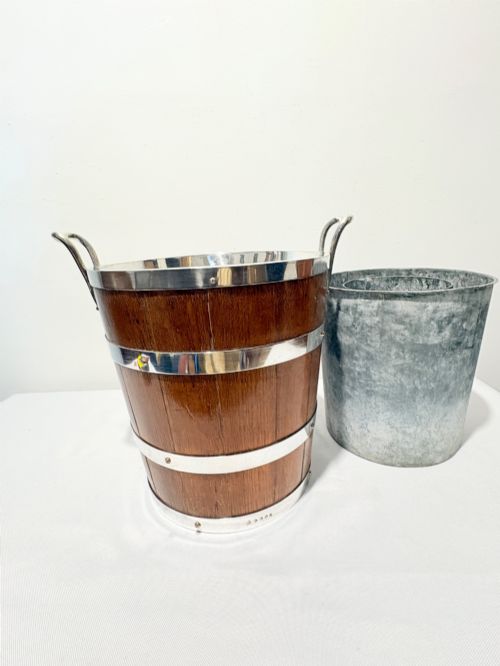
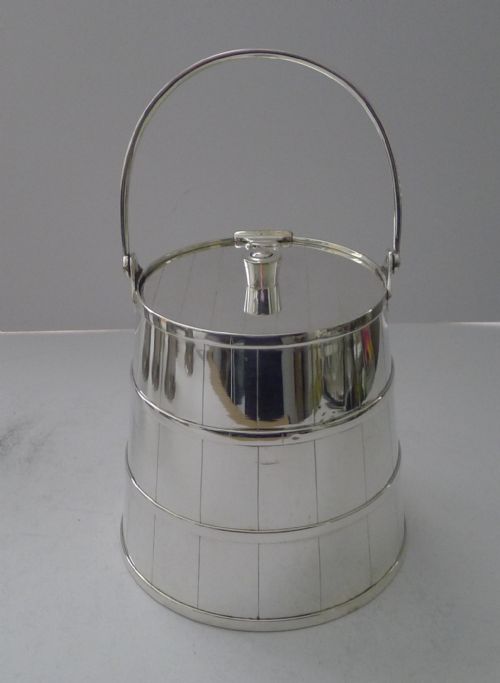
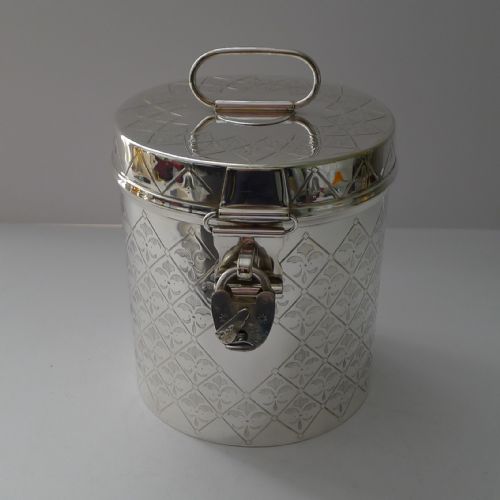
The english silver plated barrel spans functional Victorian serverware, including biscuit boxes, wine coolers, spirit barrels and novelty barware.
Most examples originate from the nineteenth century, with specific dates clustering through the eighteen-eighties, eighteen-nineties and nineteen-hundred.
The selection ranges from drum forms and trophy shapes to spirit barrels mounted on carriages and ceramic kitchen jars.
Materials and Techniques
Maker workshops combined silver plate with dense timbers such as oak and mahogany, alongside cut glass, crystal, ceramic and stoneware bodies.
Metal mounts, hinged lids and locking mechanisms required precise engineering to seal heavy containers for daily hospitality use.
Listings feature Victorian and Edwardian periods, utilising oak, mahogany, cut glass, ceramic, and silver plate.
Craftsmanship and Proportion
The standard of execution depends upon the weight of the metal plating, the clarity of the cut crystal or glass, and the soundness of the fitted wooden staves.
Maker attribution and integrated locking mechanisms or carriage mounts elevate a utilitarian storage jar into a sophisticated Victorian social accessory.
Mappin and Webb·Fenton Brothers·John Grinsell and Sons·James Dixon and Sons
The English Silver Plated Barrel Glossary
- Silver plate
- A thin layer of silver fused to a base metal core through electroplating or older techniques. This allowed workshops to produce robust domestic vessels with the gleam of solid silver.
- Biscuit barrel
- A lidded container utilised for storing dry baked goods during parlour tea service. Victorian households kept these on sideboards for family and guests.
- Spirit barrel
- A cylindrical drinking vessel mounted horizontally on a stand or carriage for dispensing liquor. Taps and stands were engineered to support the weight of the liquid.
- Cut glass
- Glassware patterned with wheel-cut facets that catch the light. This material formed the heavy bodies of many nineteenth century storage jars.
- Drum form
- A cylindrical construction mimicking a drum shape. It remains a characteristic silhouette for English silver plated containers from the late Victorian era.
English Silver Plated Barrel: Frequently Asked Questions
What were English silver plated barrels used for?
These vessels served primarily as nineteenth century dining room containers for storing biscuits, wine, or spirits during social gatherings and afternoon tea.
Hostesses kept them on sideboards to protect dry biscuits from dampness or to dispense drinks directly at the table.
How do I date a silver plated barrel?
Dating relies on registration marks, stylistic cues, and material combinations recorded across Victorian production periods. Pieces from the eighteen-eighties and nineties often display specific aesthetic revivals and heavy oak mounts.
Detailed hallmarks and maker stamps provide precise chronological markers for items produced by prominent silversmiths.
Are these barrels made of solid silver?
English barrels from this category use silver plate over a base metal foundation rather than solid silver. Manufacturers applied a layer of silver to sturdy metals, oak, or glass bodies.
This method provided the visual appeal of solid silver alongside structural durability for heavy daily hospitality use.
How should I clean a silver plated barrel?
Maintenance requires gentle cleaning with a specialist silver cloth to preserve the plated surface without wearing down the metal layer. Harsh chemical dips should be avoided, particularly near fitted wooden staves or glass inserts.
Regular dusting and careful handling keep the silver bright while protecting interior ceramic or crystal components.