
English Silver Box
An english silver box brings small-scale metalwork and utility together, offering a portable receptacle for snuff, tea, or trinkets that fits comfortably in the hand.
English Silver Box
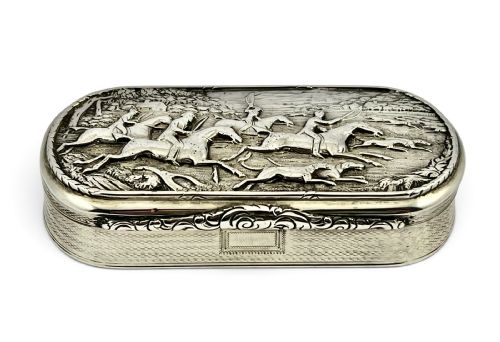
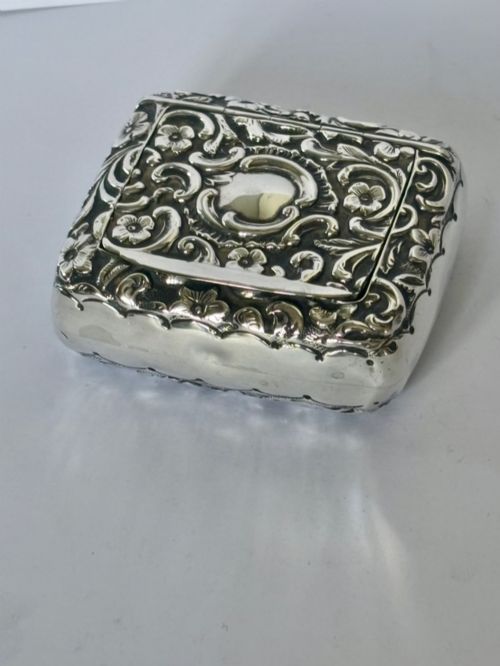
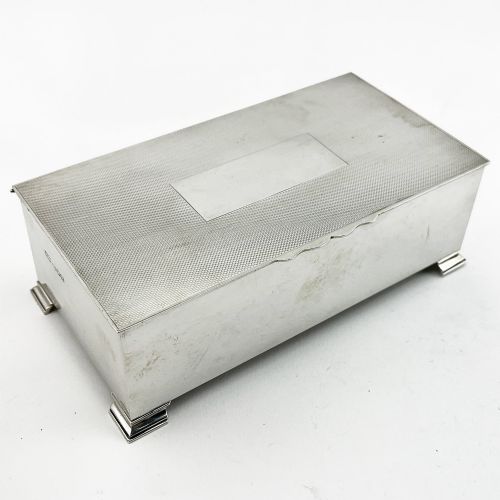
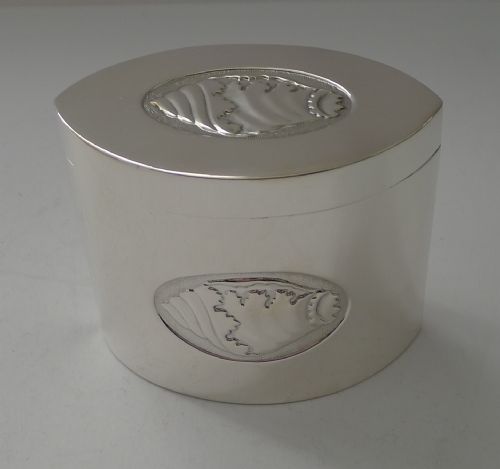
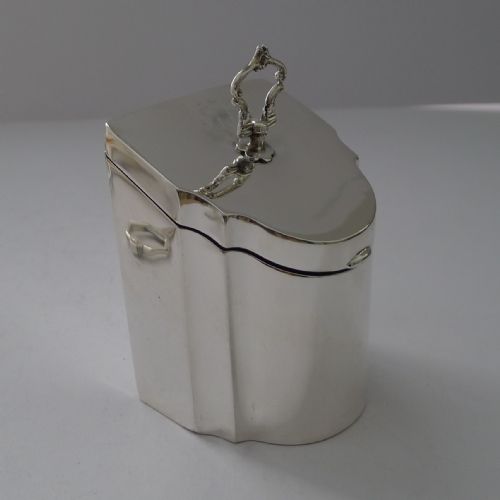
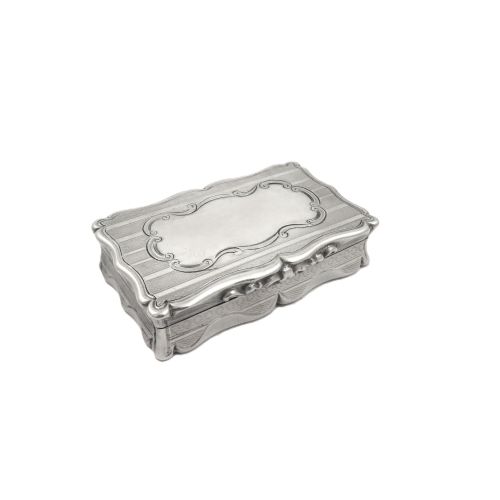
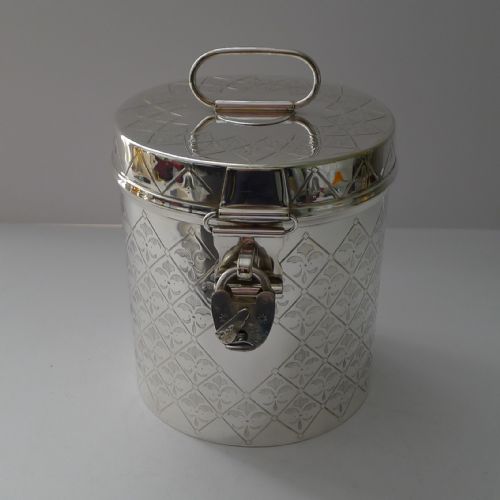
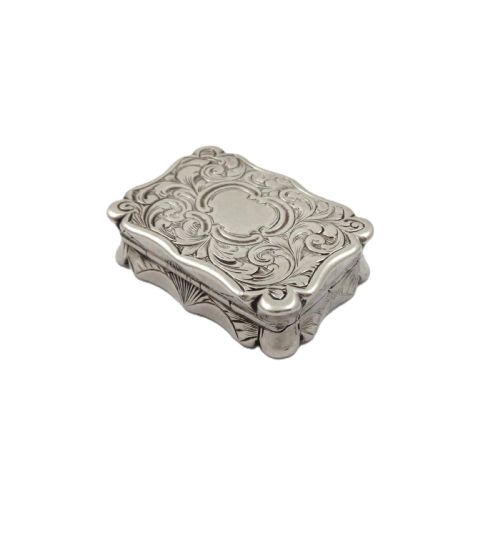
An english silver box encompasses a diverse group of small containers fashioned across the Georgian, Victorian, Edwardian and later periods. The selection on this page ranges from utilitarian snuff boxes and vinaigrettes to decorative tea caddies, biscuit barrels and trinket boxes.
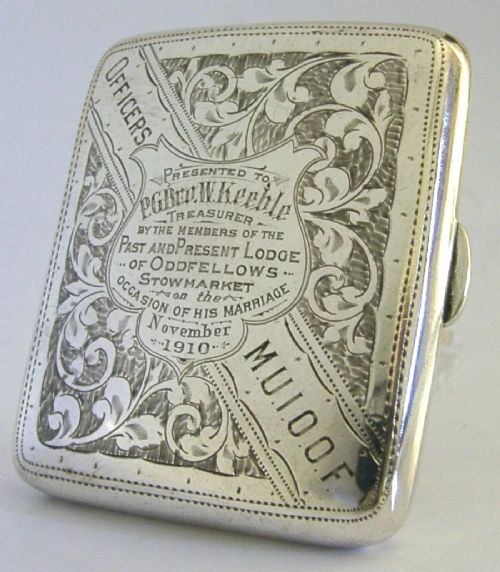
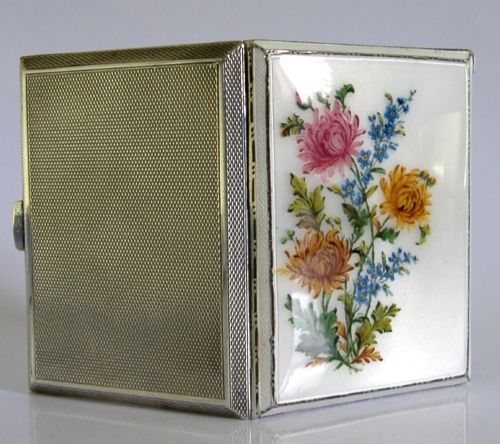
Buyers encountering this group will frequently find items created for personal use such as card cases, cigarette cases and matchbook boxes. Larger vessels like jewellery boxes and oak-lined humidors also appear, demonstrating the wide scope of domestic silver containers.
How they were made
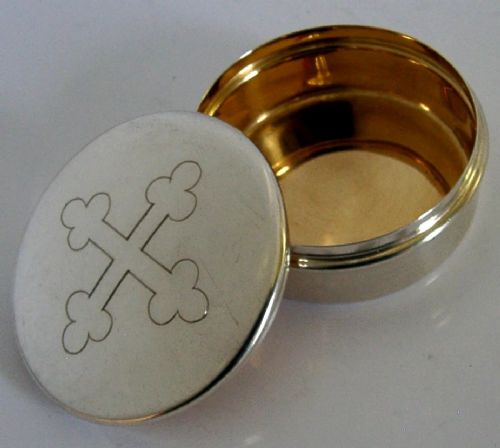
Makers shaped these containers primarily from sterling silver or silver plate, frequently combining the metal with secondary materials like oak, tortoiseshell, velvet, silk, brass and iron. Interiors of vinaigrettes and snuff boxes often received a layer of gold wash, known as silver gilt, to protect the silver from corrosive contents.
Techniques varied from simple sheet metal bending to intricate hand embossing, piercing, and enamel hand-painting. Wooden bodies utilised mounts and hinges secured directly to the carcass, while glass components relied on fitted silver collars and lids.
Listings feature items spanning the Georgian, Victorian, Edwardian, and mid-twentieth-century periods, utilising sterling silver, oak, tortoiseshell, and ceramic.
What varies in quality
The standard of an english silver box depends on the crispness of the chased or embossed ornament and the structural integrity of the hinges and lids. Pieces bearing the mark of recognised silversmiths display superior weight, balanced proportions, and careful finishing to interior surfaces.
Samuel Pemberton·Henry Matthews·Mappin and Webb·Paul Storr·Thomas Shaw·Walker and Hall·William Comyns·Robert Pringle·Nathaniel Mills
The English Silver Box Glossary
- Vinaigrette
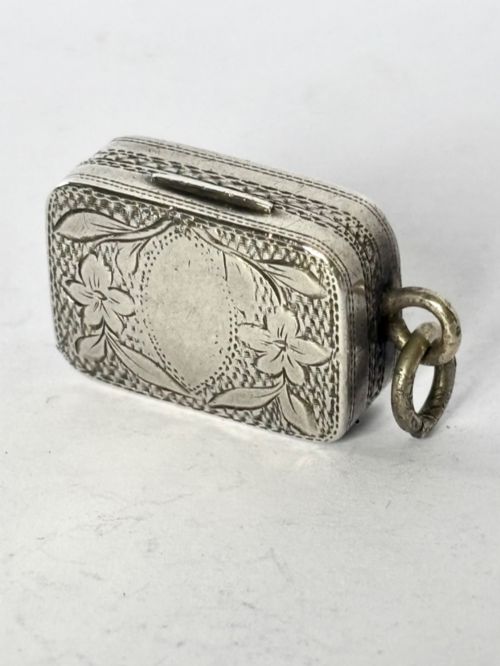
- A small ornamental box featuring an internal pierced grille, designed to hold a sponge soaked in aromatic vinegar. These were carried during the Georgian and Victorian eras to mask unpleasant odours.
- Tea Caddy
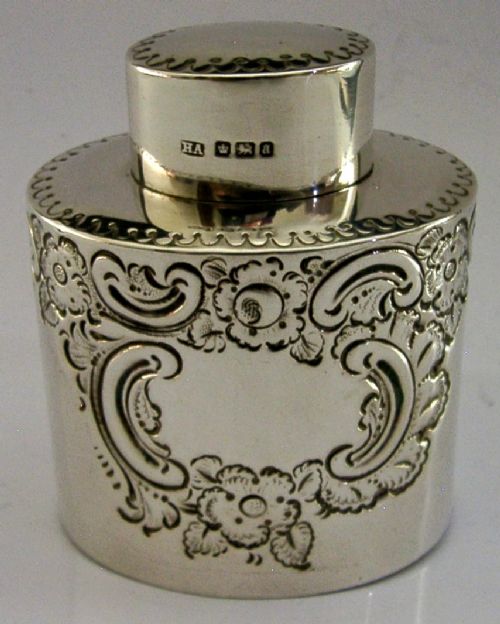
- A container intended for storing loose tea leaves securely, often fitted with a lock and key to protect a valuable commodity. Examples on this page appear in solid silver, glass with silver mounts, and knife box forms.
- Silver Gilt
- Silver that has been coated with a thin layer of gold on its surface. This technique was frequently applied to the interior of snuff boxes and vinaigrettes to prevent the silver from tarnishing.
- Hallmark
- An official stamp applied to precious metals indicating the standard of purity, the assay office, and the date of manufacture. These marks provide the primary evidence for dating an antique piece.
- Biscuit Barrel
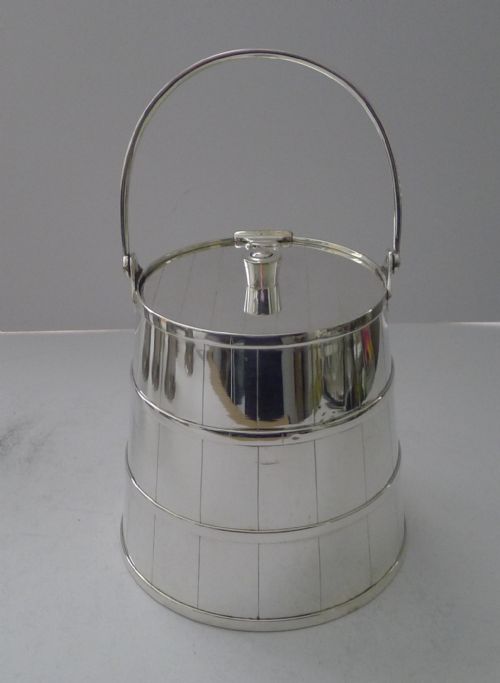
- A large container used for storing biscuits on the dining table, typically fashioned from silver plate combined with ceramic, glass, or oak.
English Silver Box: Frequently Asked Questions
What were small silver boxes used for?
Small silver containers served specific personal and domestic functions, holding dry goods like tea, tobacco, snuff, or matches. Wealthy owners kept them close at hand for daily convenience and to display social status.
Items like vinaigrettes and card cases accompanied individuals outside the home, while larger caddies and trinket boxes remained fixed on dressing tables or in reception rooms.
How do I clean antique silver?
Cleaning requires a gentle approach that preserves the original surface finish and any historic patination. Use a soft cloth and a specialised silver polish designed to lift tarnish without removing fine detail.
Avoid harsh abrasive compounds, especially on pieces with silver gilt interiors, enamel work, or delicate hinges, as aggressive scrubbing damages the metal.
How can I date an english silver box?
Dating relies primarily on the stamped hallmarks found on the body and lid of the piece. These official marks indicate the assay office, the maker, and a specific date letter corresponding to the year of testing.
Stylistic indicators such as Regency neoclassical lines or Art Deco geometric motifs offer secondary clues when hallmarks are rubbed or absent.
What is the difference between silver and silver plate?
Solid silver, often marked as sterling, consists of a silver alloy containing a high percentage of pure metal throughout its entire structure. It carries distinct hallmarks proving its standard.
Silver plate involves a base metal, such as copper or brass, covered with a thin external layer of silver. Plated items generally lack standard sterling hallmarks.