



English Secretaire Desk
An English secretaire desk combines everyday writing utility with hidden drawers, offering an ingenious fold-down writing surface.
English Secretaire Desk
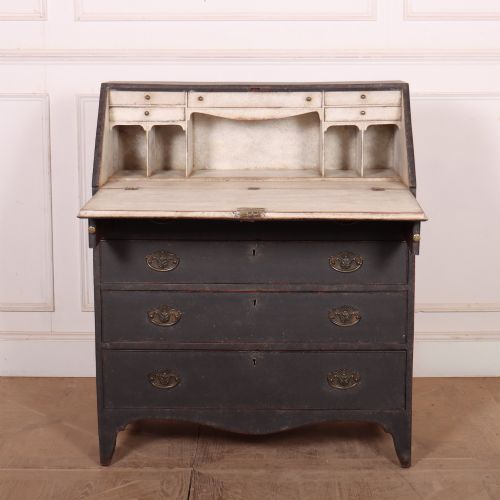
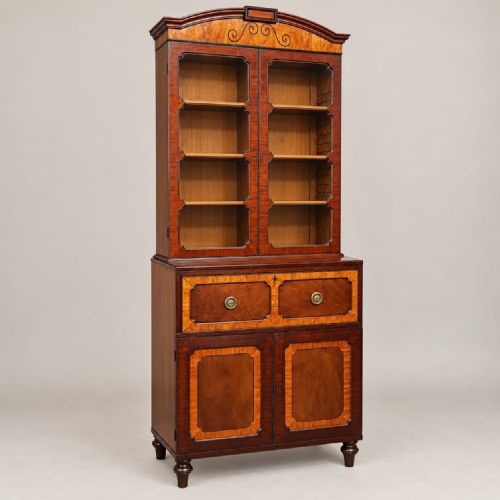
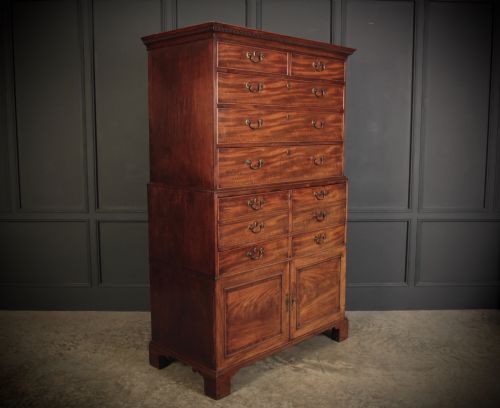
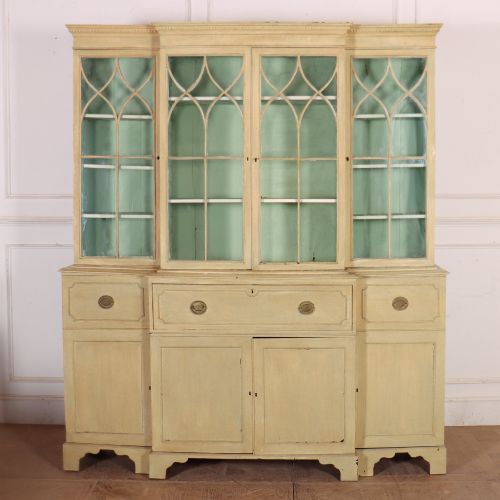
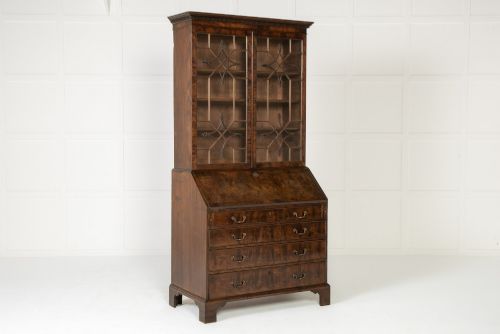
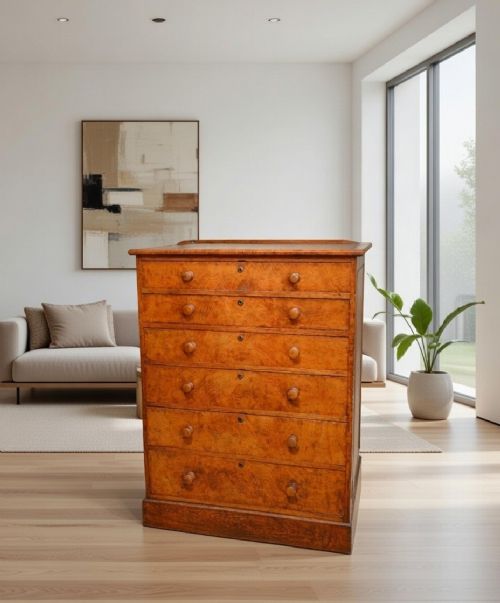
An English secretaire desk takes many architectural forms, appearing as tallboys, bookcases, cabinets, and compact bureaux across this selection.
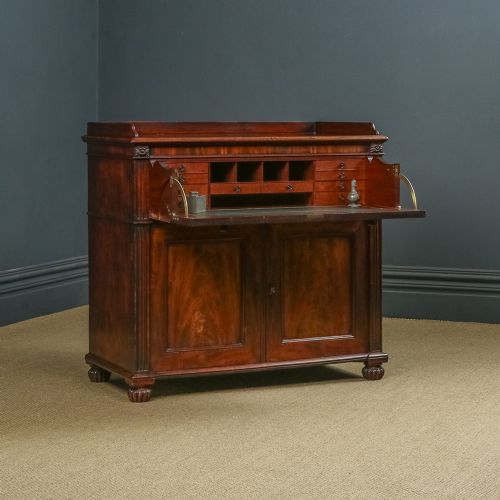
The core function centres on a fitted fall-front or drawer-front writing compartment that conceals pigeonholes and small drawers behind a lockable panel.
Most examples originate from the eighteenth and nineteenth centuries, spanning Georgian, Regency, and William IV periods in mahogany, walnut, and satinwood.
Materials and Construction
Cabinet makers utilised dense hardwoods like mahogany and figured walnut, often enhanced with satinwood stringing and flame mahogany veneers.
Internal fittings incorporated finely dovetailed solid wood drawers, pigeonholes, and leather writing inserts alongside cast brass handles and escutcheons.
English Secretaire Desk Retail Price Guide 2026
Typical asking prices for english secretaire desk among the pieces listed under this phrase on Sellingantiques today, from the lower quarter to the upper quarter. They describe what is for sale here now, not the wider market.
Current listings feature English secretaire desks spanning the Georgian, Regency, Victorian, and Edwardian periods, constructed in mahogany, walnut, satinwood, and pollard oak.
Quality and Craftsmanship
Superior pieces display seamless timber matching across primary drawer fronts and crisp interior joinery within the concealed writing compartment.
The refinement of brass hardware, secondary timber choice for drawer linings, and the complexity of internal pigeonhole architecture distinguish higher tiers.
Gillows of Lancaster
The English Secretaire Desk Glossary
- Secretaire
- A desk or cabinet featuring a pull-down or drop-front writing drawer that conceals a fitted interior. This clever mechanism allows a standard case piece to function as a fully equipped writing desk.
- Tallboy
- A tall chest of drawers made in two stacked sections, often incorporating a secretaire drawer within the upper chest. They maximise vertical storage while maintaining a modest footprint in a room.
- Escritoire
- An alternative term for a writing cabinet or desk, frequently applied to earlier walnut and mahogany pieces. The name derives directly from the French word for writing.
- Pigeonhole
- A small, open compartment inside a desk used for sorting letters and papers. These compartments are often flanked by secret drawers or miniature doors.
- Stringing
- Thin lines of contrasting wood inlay used to decorate the borders of drawer fronts and panels. Sheraton and Regency pieces employ this technique to frame figured timber.
English Secretaire Desk: Frequently Asked Questions
How were secretaire desks used historically?
These desks served as private writing spaces for correspondence, household accounts, and reading. The drop-front drawer allowed owners to conceal their writing materials and unfinished letters quickly when guests arrived.
In larger houses, they sat in libraries or dressing rooms, while smaller bureau formats functioned efficiently in parlour settings.
How do I date a secretaire desk?
Dating relies on timber selection, construction methods, and stylistic details such as bracket feet, bracket designs, and brass hardware. Eighteenth-century pieces often feature solid oak drawer linings and understated walnut or mahogany veneers.
Nineteenth-century examples frequently showcase bolder flame mahogany, rosewood, pollard oak, or elaborate glazed bookcase doors characteristic of the Regency and William IV periods.
How do I care for antique wood furniture?
Maintaining antique wood requires stable room temperatures and protection from direct sunlight to prevent veneer drying and timber splitting. Regular dusting with a soft, dry cloth preserves the polished surface without chemical buildup.
Occasional application of appropriate wax feeds the timber and maintains the natural lustre built up over centuries.