





English Seascape Artwork
An English seascape artwork brings the movement of coastal harbours, fishing boats, and stormy waves directly into a room through oil and watercolour.
English Seascape Artwork
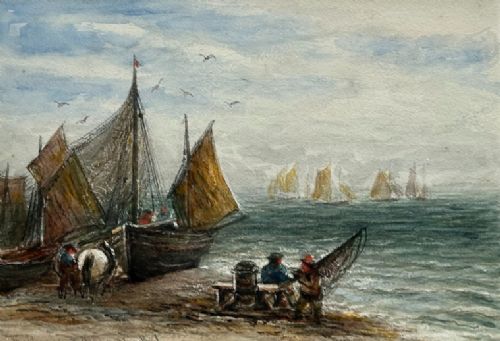
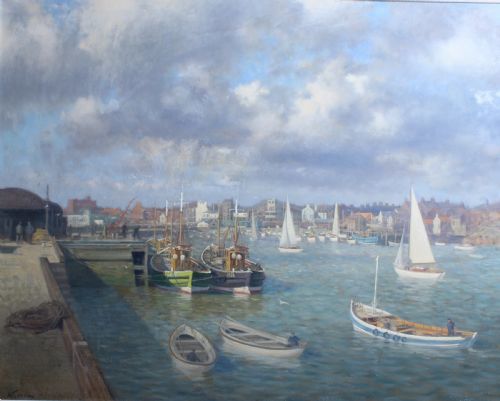
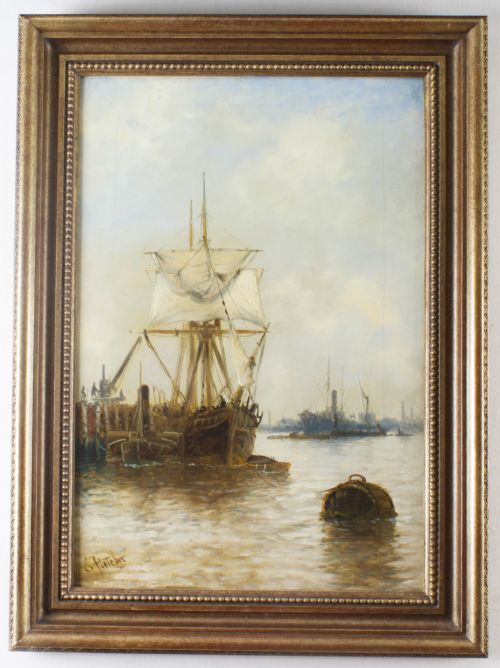
When you search for english seascape artwork, you are looking at coastal scenes, harbours, and maritime views captured by British artists across the nineteenth and twentieth centuries. These paintings record the working life of the coast, featuring fishing boats, piers, and rugged shores from Cornwall to Yorkshire.
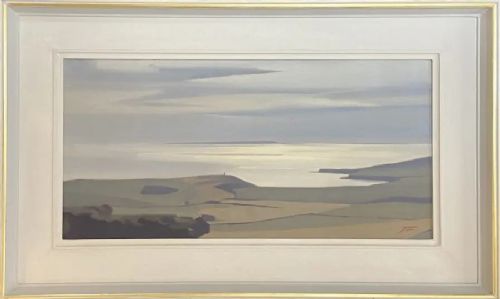
The pieces you are most likely to meet on this page range from Victorian and Edwardian watercolours to mid-century oil paintings on canvas and board. They span styles from traditional realism and British Impressionism to modern interpretations of estuaries and tidal flats.
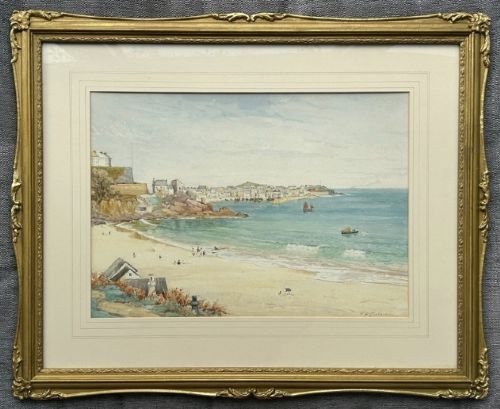
Subject matter often focuses specific local geography, including named spots like St Ives, Scarborough, and Brighton beach. Collectors choose these works to connect with traditional maritime history and the varied moods of the British coastline.
Materials and technique
Artists painted these coastal views primarily in oil and watercolour, applying pigments to canvas, paper, card, or wooden board. Oil on canvas allowed for rich, textured layers capable of capturing heavy seas and stormy skies.
Watercolour works on paper relied on swift, fluid brushwork to render the transparent effects of water, low tide, and open coastal light. Many of these paintings retain their original gilt wood frames, protecting the delicate mediums beneath glass or open surfaces.
English Seascape Artwork Retail Price Guide 2026
Typical asking prices for english seascape artwork among the pieces listed under this phrase on Sellingantiques today, from the lower quarter to the upper quarter. They describe what is for sale here now, not the wider market.
Several artists clearly preferred getting their boots muddy, painting low tide flats and pebble beaches where local dogs and children inevitably wander into the surf.
Distinctions in quality
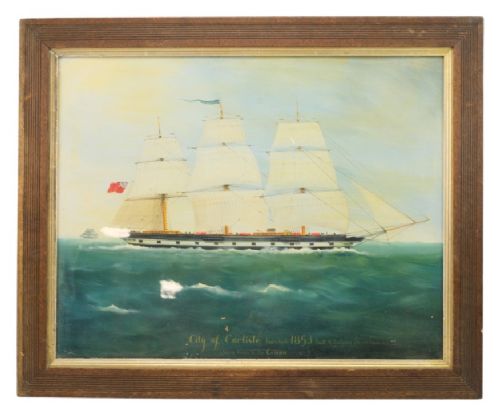
Quality in these coastal paintings rests on the artist's ability to capture atmospheric conditions, light, and movement with conviction. Superior works demonstrate confident brushwork and a clear understanding of maritime architecture, such as rigging and hull construction.
The strength of the composition and the handling of the medium separate standard topographical records from compelling artistic achievements. Better examples convey the palpable weight of water and salt air rather than relying on stiff formulaic rendering.
William Banks Fortescue·Thomas Bush Hardy·Charles Napier Hemy·Helen Layfield Bradley·Alfred Henry Vickers
The English Seascape Artwork Glossary
- Impasto
- Paint applied thickly to a canvas or board so that it stands out from the surface. This technique adds literal texture to crashing waves and rocky cliffs.
- Lugger
- A traditional small fishing boat rigged with lugsails. These vessels frequently appear in West Country and Yorkshire coastal paintings.
- Coble
- A type of open traditional fishing boat with a flat floor, common along the northeast coast of England. They are often depicted pulled up on beaches or navigating choppy seas.
- Estuary
- The tidal mouth of a large river where the tide meets the stream. Artists often used these wider coastal areas to study shifting light and reflective mudflats.
English Seascape Artwork: Frequently Asked Questions
How do I identify a 19th-century English seascape?
Nineteenth-century coastal works typically rely on traditional oil on canvas or detailed watercolour techniques, focusing on working sailing vessels and recognizable shorelines.
Signatures, artist registry records, and framing styles from the period also help confirm the era of creation.
What subjects are common in these paintings?
Common subjects include bustling harbours, fishing luggers at work, chalk cliffs, and Victorian pleasure piers along the British coast.
Artists frequently documented specific local industries, such as the shrimping fleets of Morecambe Bay or the trawlers of Brixham.
How should I frame and display a maritime painting?
Many older watercolours and oils remain housed in period gilt wood frames that complement their visual weight. Keep them away from direct sunlight and excessive humidity to preserve the canvas, paper, and pigments.
Glazed watercolours require protection against moisture and direct heat.
Are these coastal paintings topographical records?
While many pieces accurately depict real locations such as St Ives or Scarborough, they are primarily artistic interpretations rather than strict maps.
Painters prioritized atmosphere, changing weather, and maritime activity over exact geographical surveying.