



English School Oil Landscape
An english school oil landscape captures the changing moods of the British countryside across centuries of observant brushwork.
English School Oil Landscape
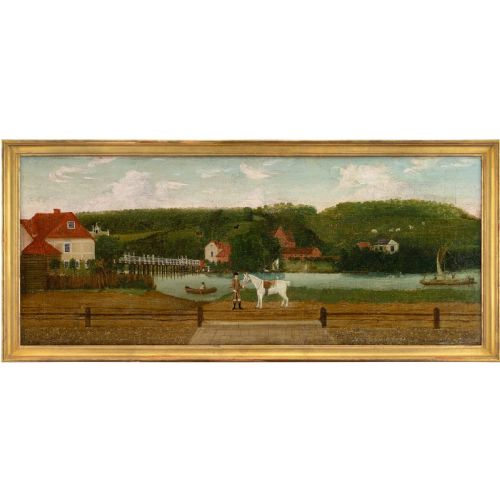
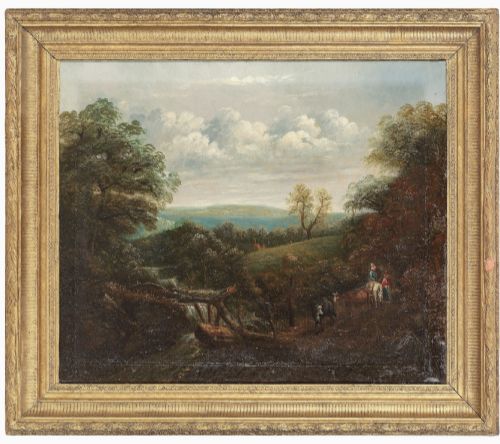
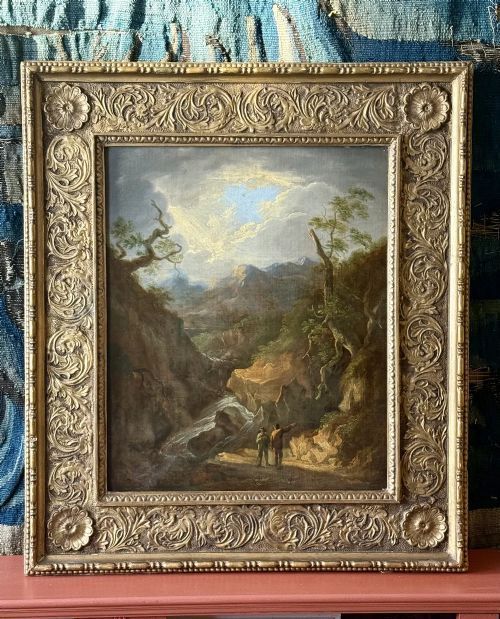
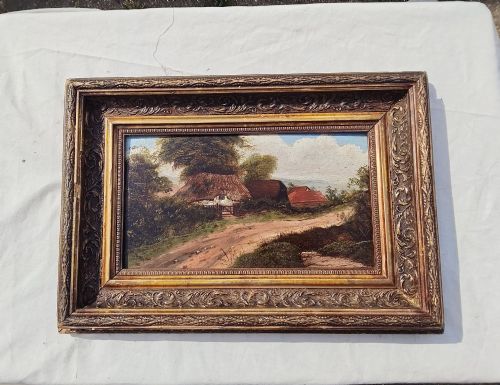
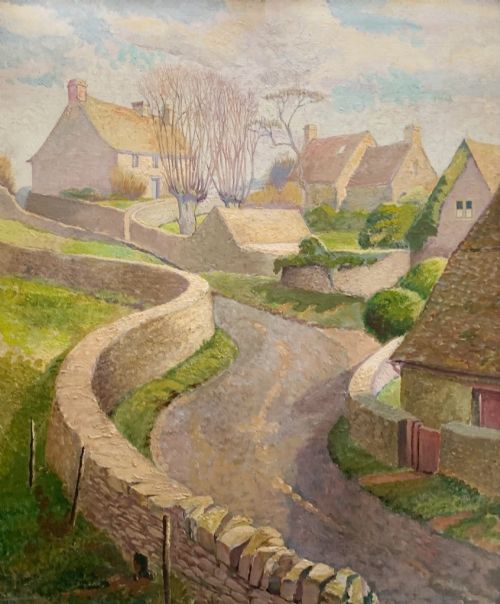
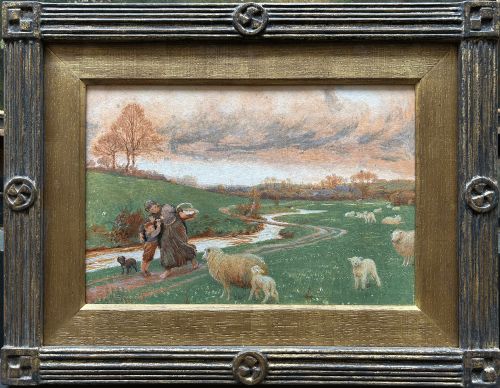
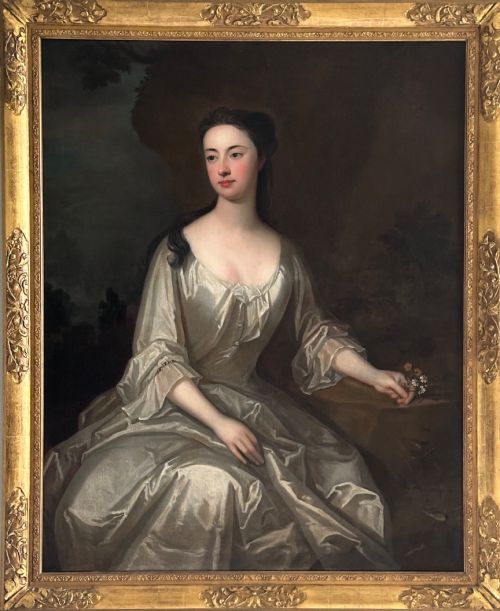
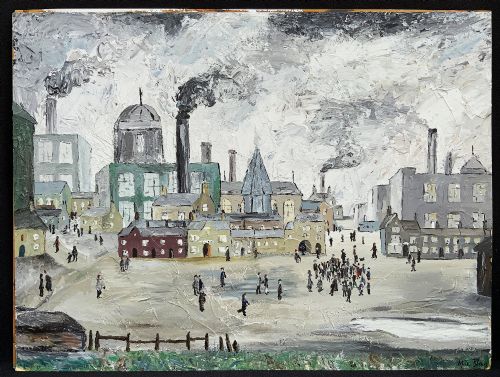
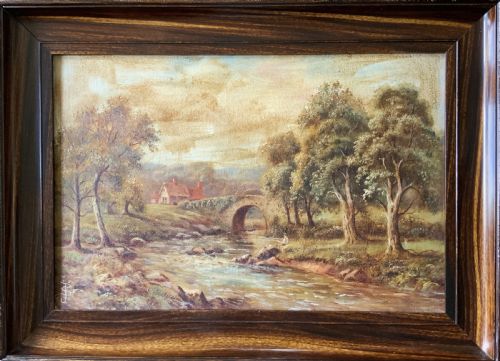
An english school oil landscape represents the enduring tradition of regional British painting, spanning quiet rural views, coastal scenes, and pastoral life. These works range from tightly rendered topographical studies by provincial artists to atmospheric canvases created under continental influences.
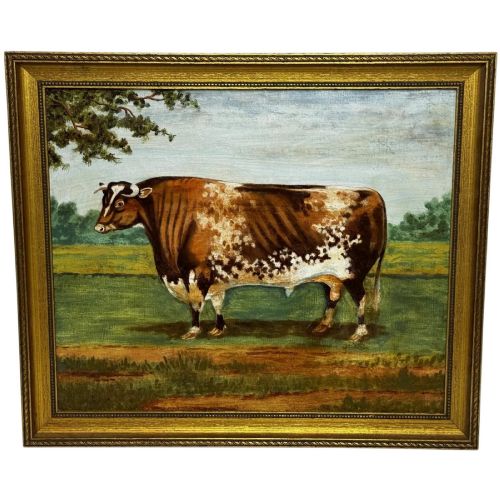
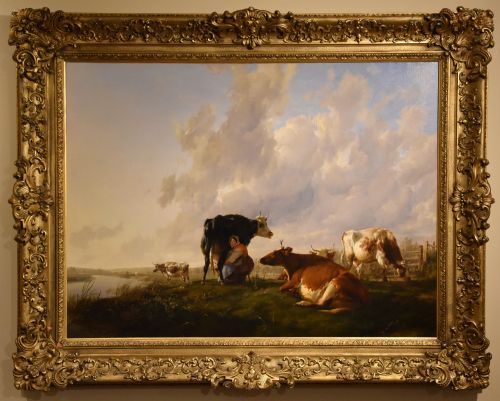
The subjects frequently record agricultural scenes, country estates, rivers, and mountains across the eighteenth, nineteenth, and early twentieth centuries. Many pieces remain unsigned or attributed broadly to regional schools, reflecting the deep pool of professional and talented amateur artists working throughout Britain.
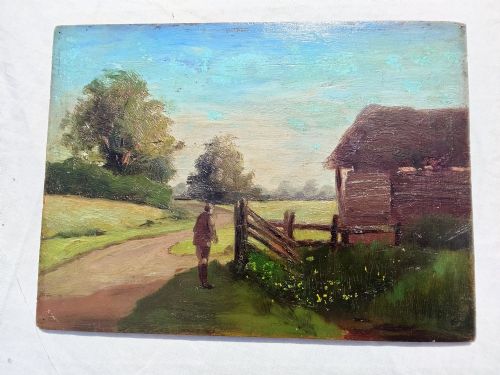
Buyers encounter everything from intimate wood panels painted on location to large canvas works intended for country house interiors. These paintings offer a direct window into historical rural topography and the changing perception of the British landscape.
How They Were Made
Artists painted primarily using oil on canvas, prepared wooden panels, oak boards, or card, often working outdoors to capture direct natural light. The application of oil paint varied from thin, translucent glazes to heavy impasto, depending on the period and the specific regional school.
Surviving works are frequently housed in period giltwood frames, gesso frames, or simple wooden mouldings that complement the painting style of their era. Stretchers and panel inscriptions often reveal maker stamps, dates, and historical notes left by earlier owners or framers.
The selection includes regional movements such as the Norwich School alongside naive depictions of country life, livestock, and architecture.
What Varies in Quality
The standard of execution depends on the artist's command of light, atmosphere, and naturalistic composition. Works by formally trained academics or prominent regional figures display greater anatomical precision in figures and animals, along with a surer handling of spatial depth.
Condition plays a significant role in the overall integrity of the piece, including the stability of the wood panel or canvas support and the preservation of the original paint surface. The matching of period frames to the canvas also influences the visual cohesion of the work.
Benjamin Barker of Bath·Thomas Sidney Cooper·George Hilditch·Sydney Yates Johnson·George Morland·John Wright Oakes·Sidney Richard Percy·William Traies
The English School Oil Landscape Glossary
- English School
- A term applied to artists born or working mainly in England, often used for works where a specific hand is unknown or unrecorded.
- Impasto
- Paint applied thickly to a canvas or panel, standing out in relief from the surface and giving a tactile quality to foliage, water, or clouds.
- Giltwood
- Wood carved and coated with gold leaf or a gold-coloured finish, commonly used for traditional picture framing.
- Norwich School
- The first provincial art movement in Britain, founded in the early nineteenth century and centred on local landscapes and rural scenes.
- Provenance
- The documented history of a painting's ownership, exhibition record, and attribution, which helps establish its authenticity.
English School Oil Landscape: Frequently Asked Questions
How do I date an old landscape?
Dating relies on stylistic evidence, costume details of any figures present, and the materials used for the support, such as canvas or oak panels. Inscribed stretcher bars and old framer labels also provide useful chronological clues.
Examination of the pigment application and preparation layers helps narrow down the century of creation. Comparing the handling to known regional painters offers further precision.
What is the Norwich School?
The Norwich School was a cooperative group of artists established in East Anglia during the early nineteenth century. They focused primarily on local scenery, waterways, and windmills.
Led by painters like John Crome and John Sell Cotman, the group captured the flat terrain and skies of Norfolk. Their work forms an important chapter in British landscape art.
Why are some paintings unsigned?
Many historical works were produced for regional patrons or regional display without the artist feeling the need to sign them. Furthermore, framing practices over the centuries often obscured margins where signatures might have been placed.
Attributions to specific schools or circles are therefore determined by stylistic analysis, brushwork techniques, and contemporary subject matter. Unsigned pieces frequently represent the broader output of working British artists.
How should I display an oil painting?
Oil paintings on canvas or wood perform best in rooms with stable temperature and humidity levels away from direct sunlight. Protecting the surface from extreme moisture prevents warping of wooden panels and cracking of the paint layer.
Keeping the work in a suitable period or sympathetic frame supports the structure of the canvas. Regular dusting with a soft, dry brush maintains the finish.